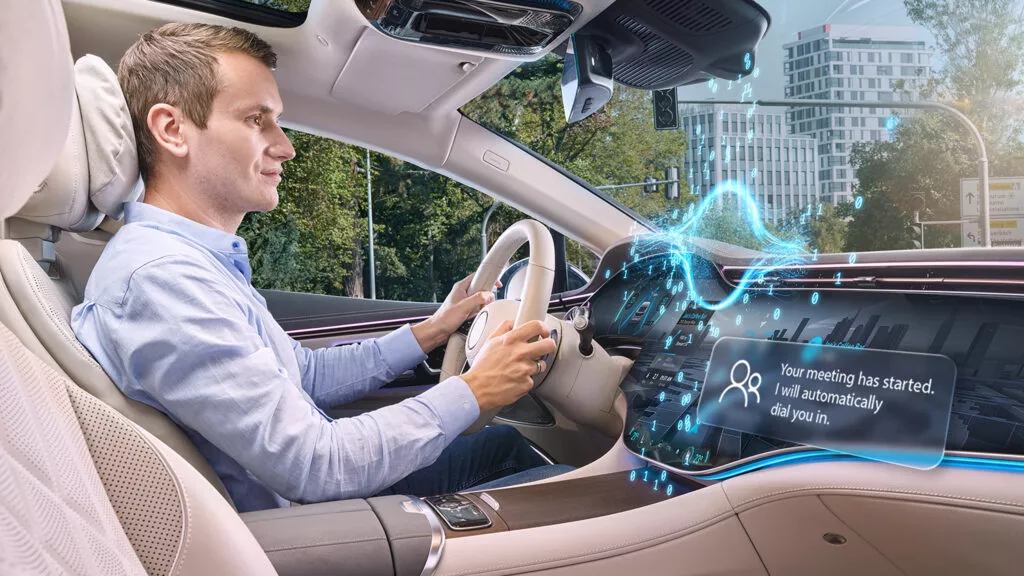
Bosch is set to unveil an innovative AI cockpit platform at CES 2026, designed to learn and adapt to driver routines and contexts. This ambitious system operates on the Nvidia Drive AGX Orin chip, delivering processing capabilities of up to 200 TOPS for real-time data handling. The integration of Microsoft 365 allows drivers to participate in Microsoft Teams meetings via voice commands, with features like adaptive cruise control automatically engaged to facilitate multitasking.
The concept of cars equipped with listening capabilities is not novel; however, Bosch aims to advance this idea by transforming vehicles into self-learning companions. The AI platform interprets user intentions rather than merely responding to commands. For example, a simple phrase like “I’m cold” triggers the system to adjust the cabin temperature, seat warmth, and airflow without requiring further input from the driver.
Central to Bosch’s initiative is a newly developed voice assistant that transcends traditional command-response interactions. Utilizing advanced artificial intelligence, the assistant anticipates the driver’s needs based on established routines and situational context. This innovation allows drivers to communicate naturally, while the vehicle interprets and acts accordingly.
Running on Nvidia‘s high-performance computing platform, the cockpit can manage real-time sensor data while executing complex vision-language models. These AI systems are capable of synthesizing auditory and visual information, enabling a more intuitive and responsive driving experience. Bosch envisions a future where drivers will no longer need to memorize command menus, instead engaging in a fluid dialogue with the vehicle.
In another significant development, Bosch emphasizes that time spent in a vehicle can be productive. Through its partnership with Microsoft, the cockpit integrates Microsoft 365 directly into the vehicle’s interface. This integration allows for seamless participation in virtual meetings, enabling drivers to connect with colleagues on Microsoft Teams while the vehicle handles adaptive cruise control to ease the driving load.
The software architecture is built on Microsoft’s Foundry platform, granting automakers the flexibility to develop, customize, and manage AI applications over Bosch’s core system. This move is particularly appealing to fleet buyers and commuters who may find themselves looking to optimize their time on the road.
Bosch plans to formally introduce the AI cockpit platform at the Consumer Electronics Show in Las Vegas in January. The company has set a revenue target of over €2 billion (approximately NZ$4 million) from in-vehicle infotainment solutions by 2030. “The new AI extension platform enables existing cockpit systems to be quickly and easily upgraded with advanced AI functions,” stated Markus Heyn, chairman of Bosch mobility. He highlighted that this technology aims to enhance comfort, intuition, and safety for all vehicle occupants.
While Bosch has not disclosed which automakers will be the first to implement this cutting-edge system, the potential for vehicles that adjust automatically based on casual conversations suggests a future where the distinction between machine and co-driver may become increasingly blurred. The prospect of a car that not only listens but understands may redefine the driving experience, making it not only more comfortable but also surprisingly interactive.
See also AMD Advocates Integrated AI Compute with EPYC CPUs for 50% Cost Savings and Enhanced Performance
 AI Transforms Missile Guidance: Neural Networks Enhance Target Engagement and Adaptivity
 NASA Integrates AI in Artemis and VIPER Missions to Enhance Lunar Exploration and Data Processing
 AMD and Google Partner with Samsung for U.S. 2nm AI Chip Production in Texas
 Study Reveals AI in Healthcare Reflects Human Biases, Challenging Accountability Norms