This week was marked by significant developments in the tech industry, notably with Italy’s antitrust authority taking action against Meta Platforms, Inc. and Samsung Electronics Co., Ltd. preparing to launch its inaugural in-house mobile GPU. In the broader landscape, the artificial intelligence sector has seen a remarkable surge, resulting in the creation of over 50 new billionaires. Additionally, ByteDance has transferred control of TikTok‘s U.S. operations to an Oracle-led group, while intelligence services suspect Russia of developing an anti-satellite weapon aimed at Elon Musk’s Starlink.
Italy’s competition watchdog, the AGCM, has directed Meta to suspend specific terms related to WhatsApp, which may hinder competing AI chatbot providers. This action is part of a broader investigation into whether Meta has misused its dominant market position through WhatsApp, one of the leading messaging applications globally. The AGCM’s intervention underscores growing scrutiny of large tech companies and their practices in the European market.
On another front, Samsung is preparing to unveil its first in-house mobile graphics processing unit (GPU), a move that signifies a pivotal shift in its semiconductor strategy. This new GPU will be integrated into the upcoming Exynos 2600 mobile application processor, which is expected to power devices in the soon-to-be-released Galaxy S26 smartphone series. This development indicates Samsung’s commitment to enhance its hardware capabilities and reduce reliance on third-party suppliers.
The artificial intelligence sector has experienced unprecedented growth, evident in the creation of more than 50 new billionaires in 2025 alone. According to data from Crunchbase, investments in AI startups reached $202.3 billion, capturing 50% of all global venture funding and reflecting a 16% increase from the previous year. This surge in wealth generation highlights the potential impact of AI technologies on various industries and the economy at large.
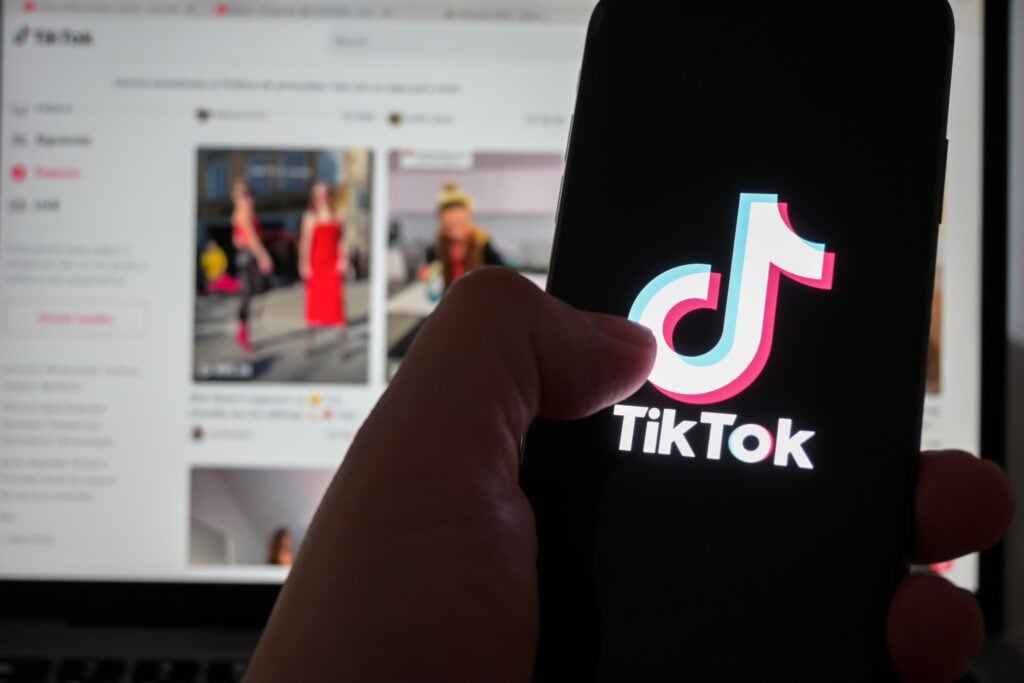
In a strategic move, ByteDance has transferred control of TikTok’s U.S. operations to an Oracle-led group. This decision aims to avert a potential government ban amidst escalating concerns over data privacy and security. The Chinese government has expressed hopes for cooperation and fair treatment in the ongoing discussions surrounding TikTok, urging involved parties to reach solutions that comply with local laws while addressing the interests of all stakeholders.
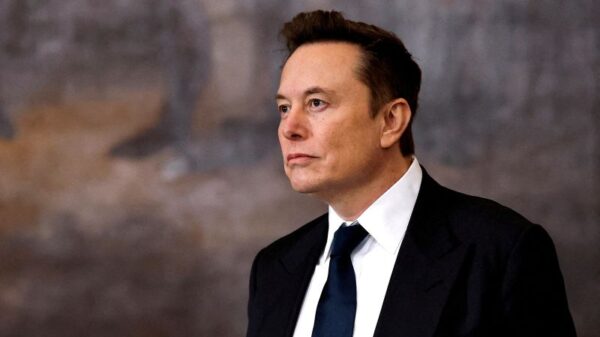
Meanwhile, two intelligence services from NATO nations have expressed concerns regarding Russia’s possible development of an anti-satellite weapon. This weapon is allegedly designed to target Elon Musk’s Starlink constellation, potentially disrupting satellite operations. Described as a “zone-effect” weapon, it could deploy hundreds of thousands of dense pellets into Starlink orbits, posing a significant threat to multiple satellites at once. This development raises alarms about the expanding militarization of space and the implications for satellite communications.
The week’s events encapsulate the dynamic and often contentious landscape of the technology sector, where regulatory challenges, investment booms, and geopolitical tensions intersect. As companies navigate these complexities, the implications for innovation, market competition, and international relations continue to unfold.
See also Meta Platforms Poised to Become First New $2 Trillion AI Company by 2026
 Google DeepMind, Anthropic, OpenAI: Top 8 AI Companies Reshaping Technology Landscape
 Nvidia’s $57B AI Surge Fuels Groq Partnership, Signals China Market Re-entry for 2026
 AI/ML Innovations Inc. Holds Steady at C$0.035 Amid Market Volatility, Signals Potential Recovery