As demand for generative artificial intelligence (AI) accelerates, semiconductor companies are positioned at the forefront of this technological revolution. Leading the charge are chip designers such as Nvidia, Advanced Micro Devices (AMD), and Broadcom, whose innovations are critical to the development of AI applications. However, a key player that remains crucial yet often overlooked is Taiwan Semiconductor Manufacturing (NYSE: TSM), which provides the manufacturing backbone for these technologies.
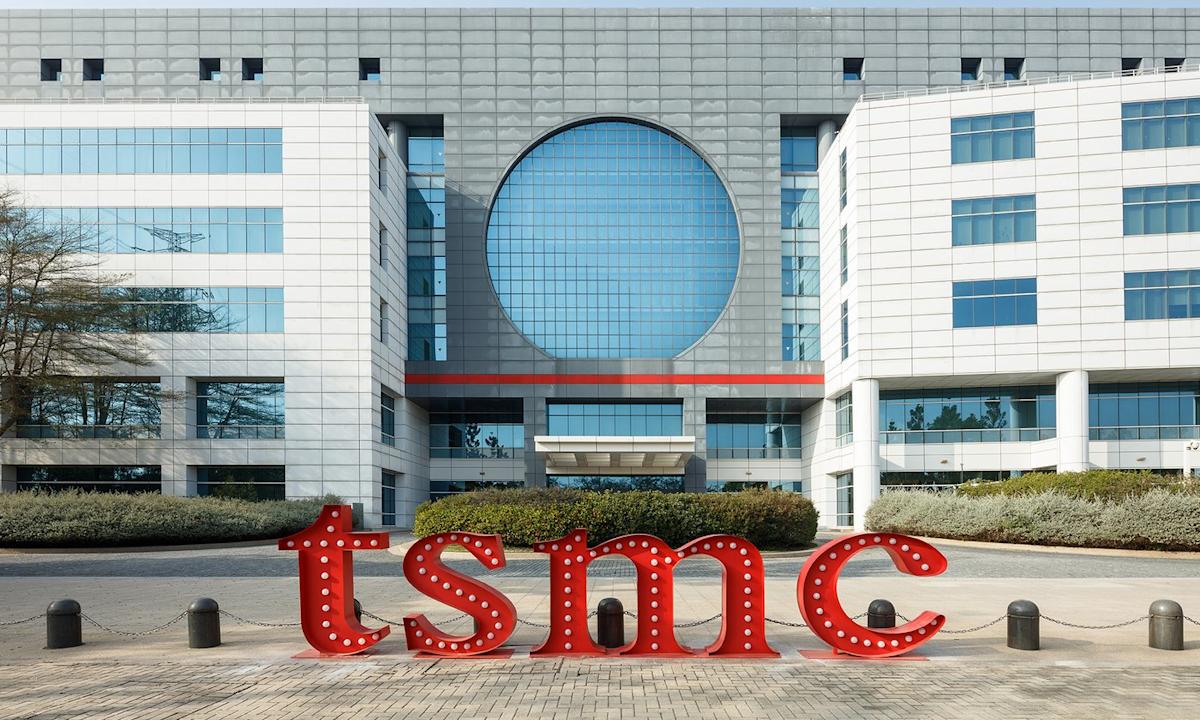
Taiwan Semi has established itself as the largest chip manufacturer globally by revenue, playing a pivotal role in the ongoing AI boom. The company’s advanced fabrication processes are essential for the production of the highly sought-after GPUs and custom application-specific integrated circuits (ASICs) developed by Nvidia and its peers. This dynamic positions TSMC as a vital enabler within the AI ecosystem, akin to holding the keys to an automobile driving the AI narrative forward.
Over the past year, TSMC’s revenue has surged in response to increasing demand for AI accelerators. This growth trajectory appears to be steepening, fueled by significant investments in next-generation chips, including Nvidia’s Rubin and AMD’s MI400 Series. Major cloud infrastructure providers are increasingly turning to TSMC for custom hardware solutions, indicating a robust and expanding revenue stream for the company.
Further enhancing TSMC’s market position is its strong profitability profile. With a commanding nearly 70% market share, the company enjoys considerable pricing power relative to competitors such as Intel and Samsung. Consequently, TSMC’s gross margins are widening, allowing for substantial cash flow that is being reinvested into the company’s global expansion, with new foundries being established in Arizona, Germany, and Japan.
Currently, TSMC’s forward price-to-earnings (P/E) ratio stands at 28.4, near its peak during this AI-driven market cycle. While this valuation may suggest overpricing, analysts point to the underlying potential that justifies such a premium. According to a report from McKinsey & Company, the AI infrastructure market is projected to reach $7 trillion by 2030, with a significant portion of that investment directed toward enhancing AI workloads.
The establishment of AI-optimized data centers is still in its infancy, with ongoing developments in training and inference models promising further growth. This trajectory bodes well for TSMC, as the company is set to benefit from a consistent influx of capital aimed at enhancing infrastructure both domestically and globally. Looking forward, TSMC stands to gain from the emergence of physical applications such as autonomous systems and robotics, which could potentially generate trillions in economic value during the next decade.
In summary, while TSMC’s stock may not appear bargain-priced at first glance, its growth potential warrants consideration. As investors assess the future landscape of AI, the company’s critical role in semiconductor manufacturing becomes increasingly apparent, making it a compelling option for those with a long-term investment perspective. Despite its absence from some top stock recommendations, such as those from The Motley Fool’s Stock Advisor team, TSMC’s prospects appear bright as the AI infrastructure narrative unfolds.
See also AI Transforms Financial Compliance: Real-Time Monitoring Redefines Risk Assessment
 AI in Finance: Build a Modern Data Ecosystem for $10B in Potential Gains
 Investors Warned of AI’s Circular Financing Risks, Urged to Consider Broadcom Alternatives
 Meta Acquires AI Startup Manus to Enhance Platforms Amid Mixed Market Response
 Nvidia in Talks to Acquire AI 21 Labs for $3 Billion as Trump Media Launches ETFs