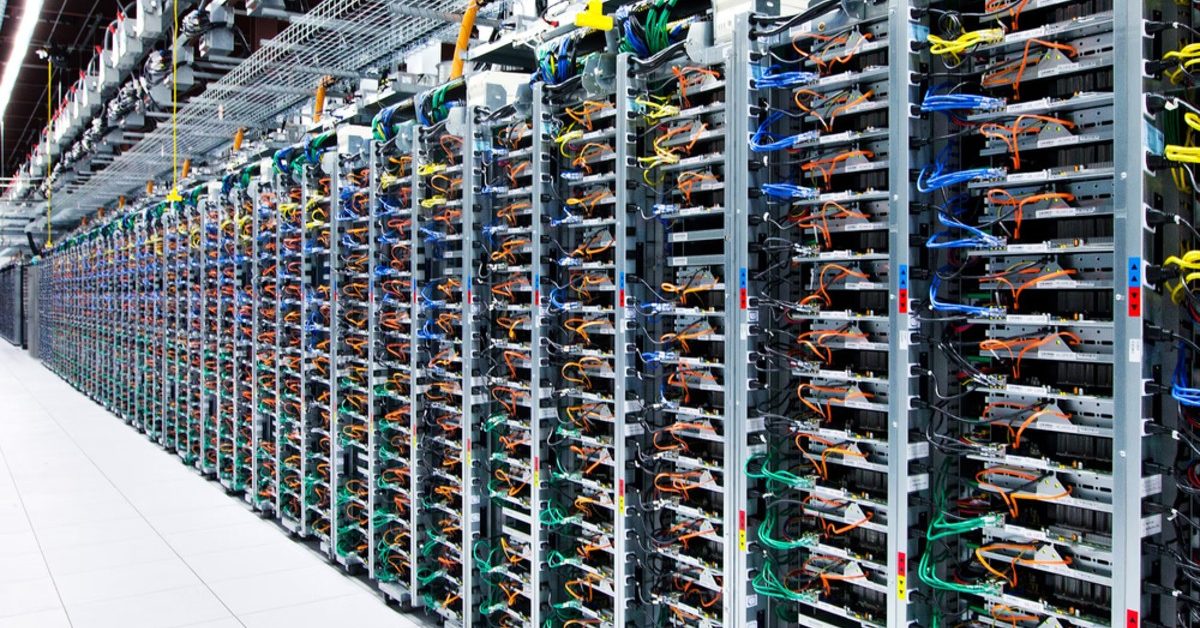
Alphabet Inc. has announced the acquisition of energy and data center developer Intersect for $4.75 billion in cash, along with the assumption of debt. This strategic move highlights the increasing urgency for tech companies, particularly Google, to secure energy sources amid surging demand for artificial intelligence (AI) services.
Google previously held a minority stake in Intersect, which was founded in 2016 and initially based in Beaverton, Oregon, before relocating its headquarters to San Francisco this year. Once the transaction is finalized, Intersect is expected to expedite the development of new data centers and power generation, thereby bolstering Google’s rapidly expanding cloud and AI operations.
Intersect has a significant project pipeline, with multiple gigawatts of energy and data center capacity either under construction or in development through its existing partnership with Google. The company aims to explore innovative energy technologies to broaden its power supply while supporting Google’s U.S. data center expansion.
Importantly, Intersect will not be absorbed directly into Google or its parent company, Alphabet. It will retain its brand identity and be led by founder and CEO Sheldon Kimber, who expressed optimism about the deal. Intersect will collaborate closely with Google’s technical infrastructure team on current and future initiatives, including their first announced co-located data center and power site currently under construction in Haskell County, Texas.
However, not all of Intersect’s assets are included in the deal. Its operating assets in Texas, as well as other operating and in-development assets in California, will be retained as part of a separate, independent entity.
Google CEO Sundar Pichai articulated the strategic importance of the acquisition, stating that Intersect will play a vital role in expanding capacity and enabling more agile construction of new power generation in alignment with data center loads. Pichai specifically noted that the “solutions” anticipated from this partnership include advancements in geothermal energy, long-duration energy storage, and gas technologies featuring carbon capture and storage.
Kimber highlighted that integrating with Google would allow Intersect to scale its efforts at a critical time when energy supply is a limiting factor for AI-driven growth. In a blog post, he advocated for a transformative approach to electricity generation, emphasizing the need for a model that encourages the integration of renewables with flexible backup sources and energy storage, often situated alongside data centers.
This acquisition fits into a broader initiative by Alphabet to enhance access to reliable, affordable energy for data centers without imposing extra costs on average grid customers. The company claims to be utilizing AI technologies to accelerate grid connections for new power plants and to improve energy efficiency and affordability for communities hosting data centers.
The transaction is projected to close in the first half of 2026. This move underscores a significant trend in the tech industry, as major players increasingly recognize the necessity of managing energy supply alongside their data demands.
The acquisition of Intersect illustrates a critical reality facing the tech sector: the rapid rise of AI capabilities is colliding with existing limitations in energy infrastructure. While the acquisition may enable Google to streamline its operations on paper, it remains to be seen whether it will effectively address the challenges of energy transmission, local community engagement, and the development of surplus clean power in practice.
As major tech firms like Google continue to step into the energy development realm, the forthcoming challenges will center around whether these projects genuinely alleviate grid pressure and foster the transition to cleaner energy solutions, or merely expedite processes for hyperscale operations while leaving other stakeholders behind.
See also Faraday Future Schedules Special Stockholder Meeting for Strategic 2026 Goals on Feb 13
 China Unveils World’s Toughest AI Chatbot Regulations to Combat Emotional Manipulation Risks
 Microsoft and Alphabet Projected to Dominate AI Market Growth by 2026
 Meta Acquires AI Startup Manus for $500M to Unlock Fast-Track Enterprise Solutions
 India to Lead Global AI Governance Push at 2026 Summit with 100+ Nations and Industry Leaders