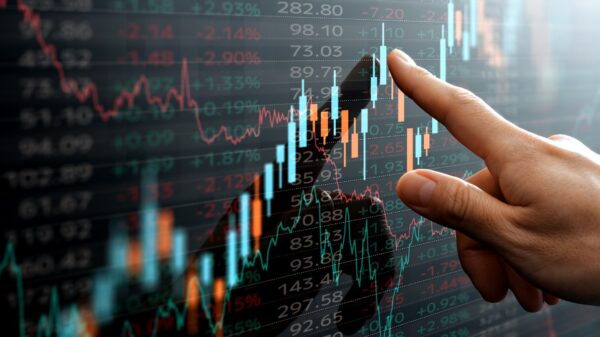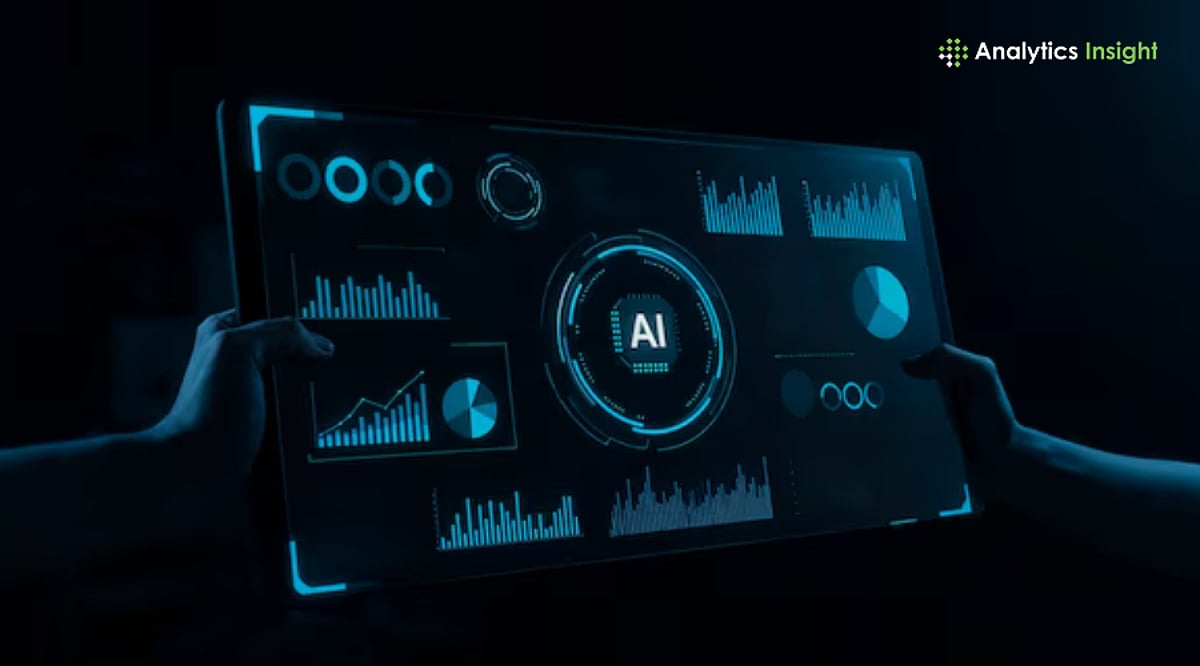
The rise of artificial intelligence (AI) has brought transformative changes to various sectors, particularly in finance. AI trading tools, which employ machine learning and automated algorithms to analyze market data, are becoming increasingly popular among traders. These tools are designed to identify trends, generate trade recommendations, and execute trades. As the financial landscape evolves, understanding the role and implications of these tools has become critical for both novice and experienced traders alike.
For beginners, the accessibility of AI trading tools is a noteworthy development. Many platforms are designed with user-friendly interfaces that require little to no coding knowledge. This lowers the barrier to entry for those new to trading, enabling them to harness sophisticated technology without a steep learning curve. At the same time, seasoned traders benefit from the advanced customization features that these tools offer, allowing for a tailored trading experience that meets their specific strategies and risk tolerances.
Despite the advantages, questions arise regarding the potential of AI to replace human traders. While AI can significantly enhance decision-making by processing vast amounts of data with speed and efficiency, the human element remains indispensable. Experienced traders bring invaluable insights, intuition, and risk management skills that an algorithm cannot replicate. Thus, while automation can streamline many tasks, the importance of human oversight in trading strategies cannot be overstated.
AI trading tools also demonstrate versatility across different market sectors. Many platforms are equipped to handle various asset classes, including stocks, cryptocurrencies, forex, and commodities. This broad applicability allows traders to diversify their portfolios and explore new market opportunities more readily. As digital currencies continue to gain traction, the integration of AI in cryptocurrency trading is particularly noteworthy, offering traders real-time analysis and execution capabilities in a highly volatile environment.
However, the increasing reliance on AI in trading does not come without risks. Market fluctuations and unforeseen events can lead to significant losses, emphasizing the need for effective risk management strategies. While AI can automate trade execution, it is crucial for traders to understand their investment strategy thoroughly and remain vigilant. Blindly trusting automated systems can lead to detrimental outcomes, particularly in fast-paced markets where conditions can change rapidly.
As the landscape of trading continues to evolve, the implications of AI integration are profound. Financial institutions are increasingly adopting these advanced tools to maintain competitiveness and enhance trading efficiency. In this context, regulation and oversight will likely become more prominent as authorities seek to safeguard market integrity and protect investors from potential pitfalls associated with automation.
Looking ahead, the future of AI trading tools appears promising yet complex. As technology advances, we can expect continued enhancements in algorithmic sophistication and data processing capabilities. Traders will need to balance the advantages of automation with the necessity of human judgment. In a world where financial markets are increasingly influenced by technology, understanding the interplay between human and machine will be essential for success and sustainability in trading.
See also Cognition AI Reveals Devin Now Generates 25% of Internal Code, Targets 50% by Year-End
 Polymarket Transforms Prediction Markets: Speed, Algorithms, and Competitive Edge Emerge
 Three Lifetime AI Tools for Entrepreneurs to Reduce Stress in 2026
 10 Best Free AI Tools for Beginners Transforming Creative Processes Today