As artificial intelligence continues to evolve, its capacity to create hyper-realistic images raises significant concerns about distinguishing between genuine and AI-generated content. A common challenge lies in identifying visual anomalies that suggest an image may not have originated from a traditional camera. Observers should be vigilant for distorted textures, unnatural limb positions, and unusual lighting, as AI-generated images often exhibit these characteristics. For instance, human hands, symmetrical jewelry, and consistent background details may appear particularly flawed, revealing the image’s artificial origins.
In an age where misinformation can spread rapidly, verifying the authenticity of questionable images is paramount. Tools like Google Lens and TinEye enable users to conduct reverse image searches, helping to trace the origins of an image. If an image is found exclusively on niche forums or lacks credible primary sources, it might indicate that the image has been generated by AI technologies. This growing reliance on visual media escalates the risk of misinformation, especially when coupled with the advanced capabilities of AI.
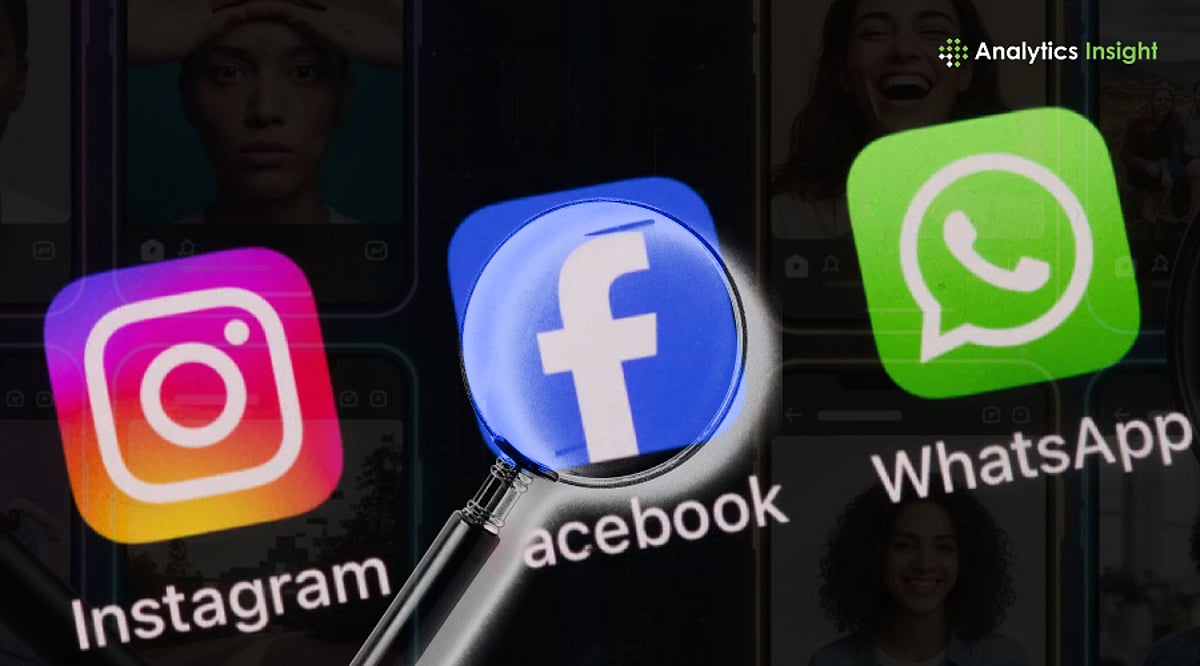
Social media platforms are beginning to address the issue of AI-generated content, albeit imperfectly. For instance, Instagram and Facebook have introduced “AI Info” tags, which label detected AI content. However, these systems are not foolproof, and they do not cover every instance of AI imagery. As a result, users should maintain a healthy skepticism toward viral images that appear to be of high quality but lack the backing of established news outlets.
The challenge of identifying AI-generated content is compounded on messaging platforms like WhatsApp, where images are often compressed. This compression masks digital artifacts and noise typically associated with AI-generated images. Consequently, misinformation can circulate more swiftly in private chats, devoid of public scrutiny or context. The private nature of these communications can exacerbate the spread of potentially misleading images.
Textual elements within images can also serve as a telltale sign of AI generation. AI technologies frequently struggle to render coherent text, leading to garbled or nonsensical characters. Observers are encouraged to scrutinize text found on signs, clothing labels, or documents within an image. If the writing appears illegible or warped, it is likely a product of artificial intelligence.
The implications of these observations are profound, as AI-generated images can easily be mistaken for authentic photographs, influencing public perception and discourse. As the technology behind AI continues to advance, the challenge of distinguishing between real and synthetic content will only intensify. In a landscape increasingly defined by digital visuals, the ability to critically assess the authenticity of images is more important than ever, underscoring the need for ongoing public education and technological solutions.
See also Tech Firms Embrace Custom Generative AI Models to Enhance Data Security and Drive Innovation
 AI Models Improve Rapidly in 2025, Raising Concerns Over Copyright and Artistic Integrity
 iMini AI Launches Precise Edit Feature, Transforming AI Image Generation for All Users
 AI Video Generation Evolves: Image-First Workflows Enhance Creative Control and Quality
 Legal Teams Embrace GenAI Upskilling to Drive Innovation and Boost Productivity