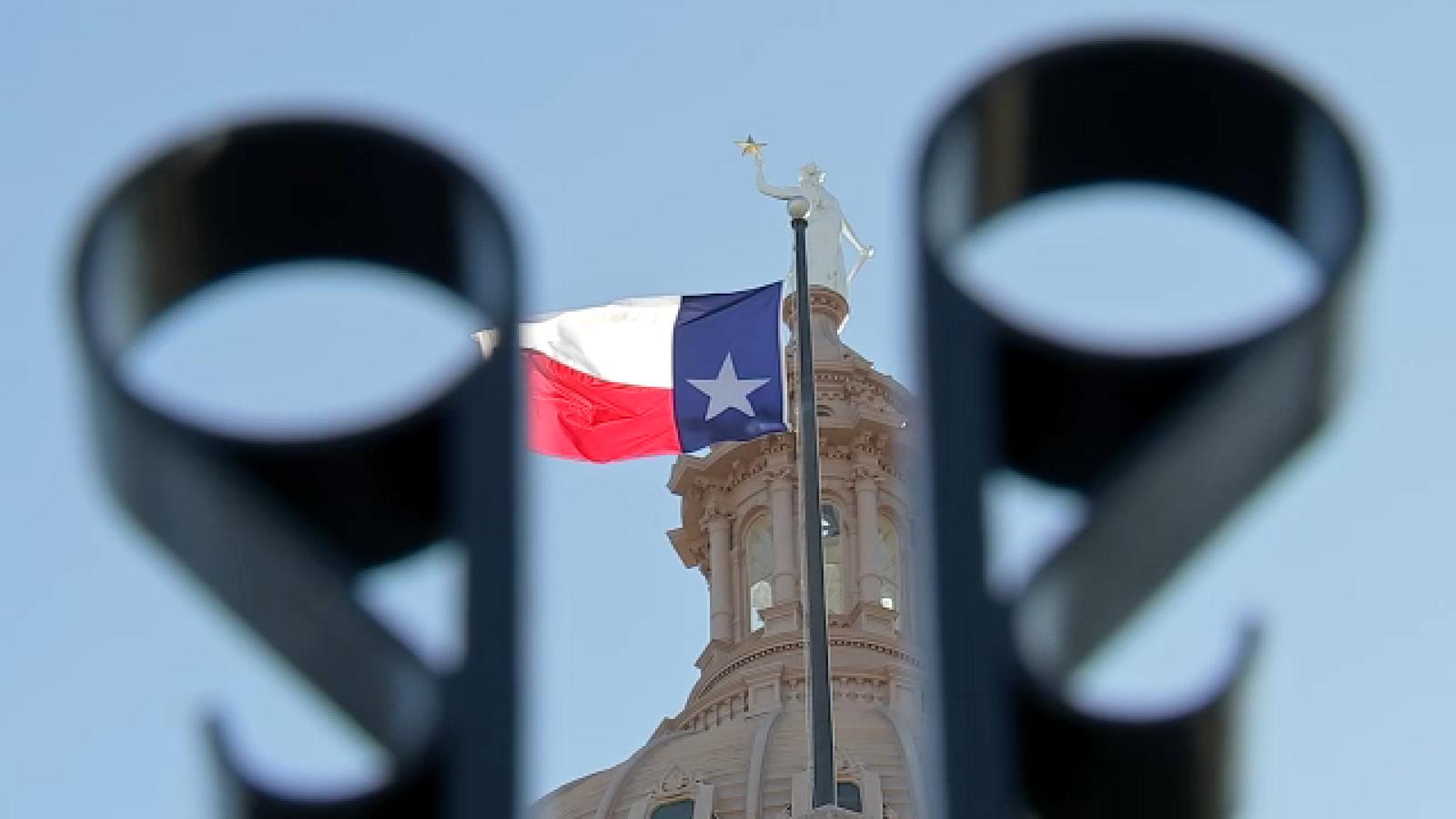
Texas is set to introduce approximately three dozen new laws on January 1, impacting various sectors, including artificial intelligence, local government tax policies, and property tax exemptions. These legislative changes come after Governor Greg Abbott signed over 1,100 laws during the state’s biennial legislative session, which concluded in early June. Many of these laws took effect in mid-June or on September 1, with additional bills enacted following two special legislative sessions this summer.
Among the new measures, House Bill 30 will limit how local governments can adjust tax rates post-natural disaster. This law revises Section 26.042 of the state tax code, which was previously modified in 2021, allowing local governments to utilize voter-approved tax rates after disasters. The new regulations will provide city and county governments with two methods for calculating tax rates after federally or state-declared disasters, as articulated by bill author Rep. Ellen Troxclair, R-Lakeway.
Troxclair stated that HB 30 aims to address concerns about local governments potentially “abusing the disaster tax loophole.” The law will bar entities from reusing disaster declarations for tax adjustments if a more recent disaster has occurred and will limit how disaster-related tax rates can influence future rate calculations. “We want to ensure that entities truly experiencing disasters have help in recouping expenses while maintaining accountability for taxpayers,” Troxclair emphasized.
In a significant move to regulate the burgeoning artificial intelligence (AI) sector, Texas lawmakers introduced House Bill 149. This legislation seeks to “protect public safety, individual rights, and privacy while encouraging the safe advancement of AI technology in Texas.” The bill establishes a seven-member Texas Artificial Intelligence Council tasked with monitoring AI use in state government and identifying potentially harmful or unethical AI systems.
The council will also assess whether existing state and local AI regulations may inhibit innovation and will recommend changes to the legislature. Notably, HB 149 mandates that Texans be informed when they interact with AI on government websites or in healthcare services. Moreover, it prohibits government agencies from using AI to collect biometric data without consent and bars companies from developing AI systems intended to manipulate behavior, discriminate against specific groups, or create inappropriate content involving minors.
The regulatory landscape for AI is also evolving at the federal level. On December 11, former President Donald Trump signed an executive order pushing for a “minimally burdensome national standard” for AI, which may influence state laws, including Texas’ HB 149. The order directs the U.S. Commerce Secretary to review state AI regulations and allows the U.S. attorney general to challenge laws that conflict with federal standards.
On the economic front, several property tax exemptions will come into effect on January 1 after Texas voters approved them in the November 4 election. House Bill 9 will exempt up to $125,000 of businesses’ personal property, such as equipment and vehicles, from local taxation, a substantial increase from the previous exemption limit of $2,500. Lawmakers estimate that the average small business owner will save between $2,500 and $3,500 annually as a result of this change. However, the nonpartisan Texas Legislative Budget Board cautions that local revenues could decrease by $442 million in fiscal year 2026-27 if municipalities fail to raise tax rates accordingly.
Additional exemptions include House Bill 247, which will exempt increased property values along the Texas-Mexico border that arise from border security infrastructure, and House Bill 1399, which grants tax exemptions for stores selling animal feed. Furthermore, House Bill 2508 introduces property tax exemptions for the surviving spouses of veterans who succumb to service-related illnesses.
As these new laws take effect, they reflect Texas’ ongoing efforts to balance regulatory oversight with economic growth and public safety. The implications of these changes will likely resonate across various sectors, influencing everything from local governance to the future of artificial intelligence in the state.
See also UK Government Unveils £1 Billion Plan to Ban Harmful AI Apps and Protect Youth
 US Government Secures $250M Generative AI Deal with BigBear.ai and Ask Sage for Enhanced Operations
 Texas Introduces New AI Governance Law, Banning Deepfakes and Enhancing Transparency
 AI Talent in India Expected to Double by 2027, But Are Workers Prepared for Change?
 Government to Reform Open Schooling, Promote AI Use in Teacher Education