
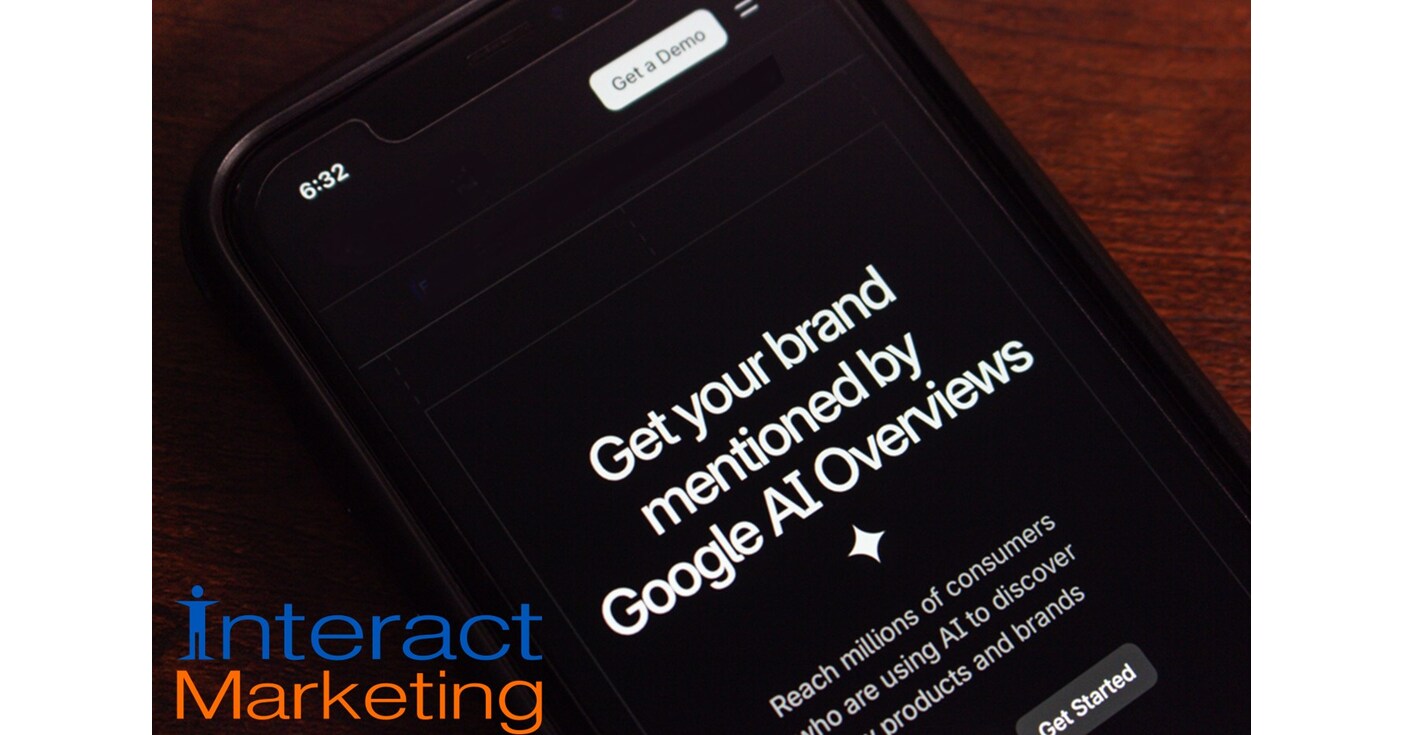
NEW YORK, Dec. 27, 2025 /PRNewswire/ — Interact Marketing has raised alarms regarding the extensive use of detectable artificial intelligence (AI)-generated marketing content and an associated decline in quality standards. This advisory highlights the shifting landscape where the rapid adoption of AI technologies has accelerated content production, often sacrificing thorough quality control and editorial oversight.
Joe Beccalori, CEO of Interact Marketing, emphasized that their observations indicate a significant degradation in content quality across marketing and media sectors, which correlates directly with the unrestrained proliferation of generative AI tools. “This acceleration, while boosting volume, has demonstrably circumvented established quality controls and fact-checking protocols, culminating in a measurable increase in detectable AI-generated output and a concomitant rise in consumer fatigue towards generic content,” Beccalori stated.
The rapid integration of generative AI tools has transformed content production dynamics, yet this increase often outpaces the implementation of robust quality controls, comprehensive fact-checking, and established editorial standards. Consequently, both consumers and advanced AI-driven discovery platforms are increasingly proficient at identifying low-quality or generic AI content, raising new concerns regarding trust, audience fatigue, and the long-term credibility of brands.
Critical issues arising from this shift include a rising volume of detectable AI content that could adversely affect audience perception and engagement. Additionally, the expedited nature of AI content creation often results in inconsistent fact-checking, thereby risking the dissemination of inaccuracies. Furthermore, traditional benchmarks for content excellence are becoming increasingly difficult to uphold amidst the sheer volume and varied quality of AI output, complicating efforts to differentiate high-value material.
Consumer fatigue is also a growing concern, as audiences express weariness towards generic or uninspired AI-generated content, which can diminish overall brand impact and recall. These trends are particularly concerning as AI-driven search and discovery mechanisms are prioritizing content that demonstrates trust, accuracy, and authenticity.
Brands that continue to rely on unchecked automation face numerous adverse outcomes, including diminished credibility, reduced visibility across digital platforms, and potential long-term performance declines as industry standards shift. Interact Marketing advocates for a balanced approach, urging brands to integrate AI responsibly alongside essential human oversight to protect their long-term reputation and effectiveness.
Interact Marketing, based in New York, specializes in AI-driven SEO, paid media, content strategy, and advanced analytics. The agency aims to help businesses grow through innovative search, social, and conversion-focused solutions, delivering measurable results supported by proprietary AI-enabled workflows.
For further insights and best practices on navigating the challenges of AI integration, stakeholders are encouraged to visit Interact Marketing’s insights page at https://www.interactmarketing.com/.
See also Belfast’s ProfileTree Warns 25% of Organic Search Traffic Shifting to AI Platforms by 2026
 LG Electronics Expands xboom by will.i.am Lineup with Four New AI-Enhanced Speakers
 Indian Marketers Prioritize Agentic AI Investments to Enhance MarTech and AdTech Integration
 VCs Invest $2B in 2025: AI Tools, Social Commerce, and New Community Platforms Drive Creator Economy Trends
 Markopolo AI Transforms Cart Recovery with AI-Driven Engagement at KSGC 2025