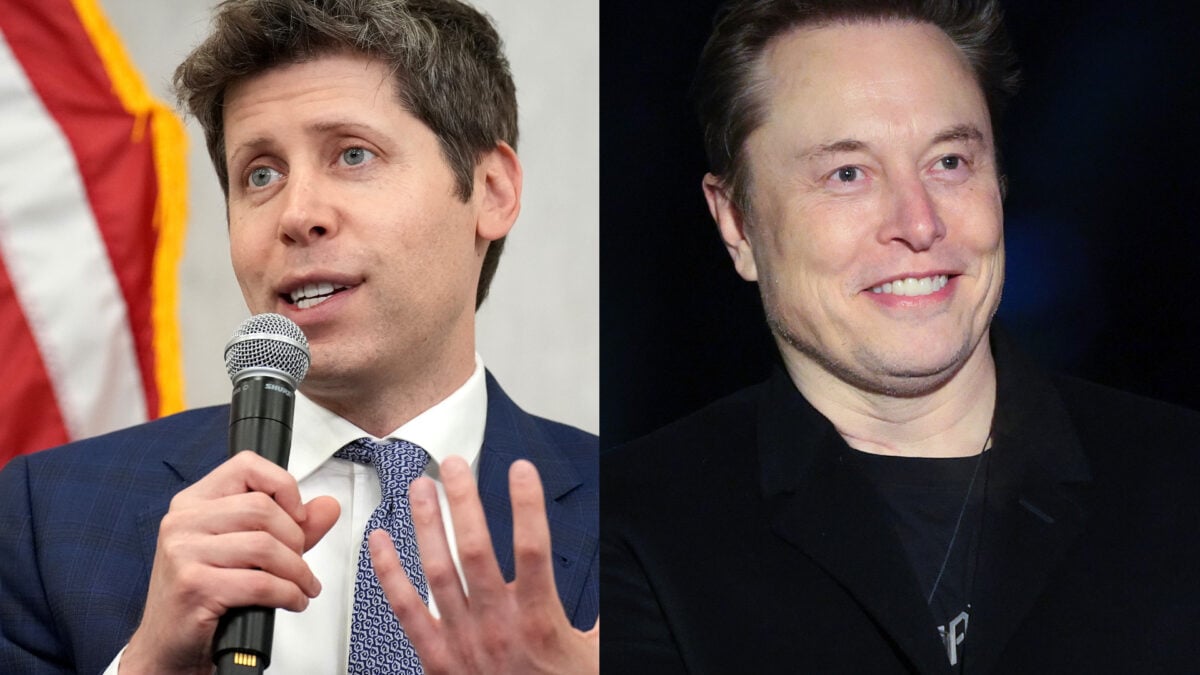
As 2026 approaches, the tech industry is poised for a significant transformation with three major initial public offerings (IPOs) on the horizon. SpaceX, Anthropic, and OpenAI are reportedly preparing to debut on the public market, potentially marking some of the largest IPOs in history. University of Florida emeritus professor and IPO expert Jay Ritter noted that while only a few companies globally have raised over $20 billion, both OpenAI and SpaceX could aim for even higher figures.
SpaceX is reportedly considering an IPO as early as June 2026, with expectations to raise upwards of $30 billion. CEO Elon Musk confirmed the company’s IPO preparations in a recent post on X, affirming the accuracy of related reports. Interestingly, the IPO could also have an AI aspect; the original article suggested that SpaceX might seek to fund the establishment of data centers in space, an ambitious proposition that has garnered attention in tech circles.
In contrast, the timelines for OpenAI and Anthropic’s IPOs remain less certain. A Financial Times report from December highlighted Anthropic’s engagement of law firm Wilson Sonsini to prepare for an IPO this year, though the company’s communications chief indicated there are no immediate plans. OpenAI, on the other hand, has been linked to a potential IPO valued at up to $1 trillion by late 2026, following its transition from a non-profit to a for-profit entity. Such a valuation would place OpenAI among the most valuable publicly traded companies right from its inception.
While company executives have downplayed the reported timelines, OpenAI’s CEO Sam Altman acknowledged in October that going public remains “the most likely path” for the company, noting the capital requirements tied to its growth trajectory. Should these IPOs proceed as projected, they could elevate an already tech-driven market and provide a temporary boost to the broader economy. Ritter stated that a vibrant IPO market has historically benefited local economies, particularly in areas where employees hold substantial equity-based compensation.
The significance of tech, particularly AI, in the American economy cannot be overstated. Researchers from Deutsche Bank noted earlier this year that the AI sector could be instrumental in preventing a recession in the U.S. “In the absence of tech-related spending, the U.S. would be close to, or in, recession this year,” stated George Saravelos of Deutsche Bank. Ritter emphasized that the upcoming IPOs could influence the overall economy, depending on their reception in the market.
However, plans may still change; past economic uncertainties, including those stemming from Trump’s tariff proposals, have previously dampened IPO activity. Yet, SpaceX, OpenAI, and Anthropic have become household names, potentially ensuring strong investor interest regardless of market conditions. Renaissance Capital Vice President of Research Nick Einhorn remarked that these companies could attract significant attention from investors even amid market fluctuations.
The AI “Bubble” Debate
The anticipated IPOs could finally deliver the major pure-play AI stocks that the market has been seeking. While numerous large tech firms have benefitted from the AI boom, very few are exclusively focused on AI. Companies like Amazon, Meta, and Alphabet have diverse portfolios that extend beyond artificial intelligence. CoreWeave is one of the rare AI-focused firms to go public recently, seen as a glimpse into the future of AI demand.
The potential public listings of OpenAI and Anthropic could significantly impact the market’s perception of AI. These companies would be required to disclose substantial financial information, allowing analysts to gauge their paths to profitability and forecast demand trends, which could either validate or dispel concerns about an AI bubble. Einhorn remarked that the AI landscape is still developing, and more AI stocks could lead to a better consensus on the metrics that matter.
However, the risk of overvaluation looms large. Both OpenAI and Anthropic are high-profile entities that have gained considerable retail investor interest without fully transparent financial disclosures. The market’s reception of these IPOs will be crucial in determining whether AI investment continues to thrive or if it signals the onset of a broader market correction.
If the IPOs succeed, they could stimulate further investment in AI, not just from specialized firms but also from larger public companies in other sectors. Conversely, a poor performance could result in a cautious approach toward AI investment from executives across the industry. Should the AI sector be revealed as a bubble poised to burst, economic repercussions could be severe, echoing the dot-com crash, where many companies failed but a select few, like Nvidia, emerged as long-term successes.
See also Samsung Galaxy S26 Ultra: Charging Limits Shift Strategy for Long-Term Battery Health
 Cohere Joins Canada’s $100M Club in 2025; 77 Tech Firms Achieve Revenue Milestones
 New Studies Reveal Critical Insights on Human-AI Interaction and Emotional Dynamics
 AI-Driven Extended FP&A Platforms Boost Corporate Agility, Cut Reporting Time by 30%