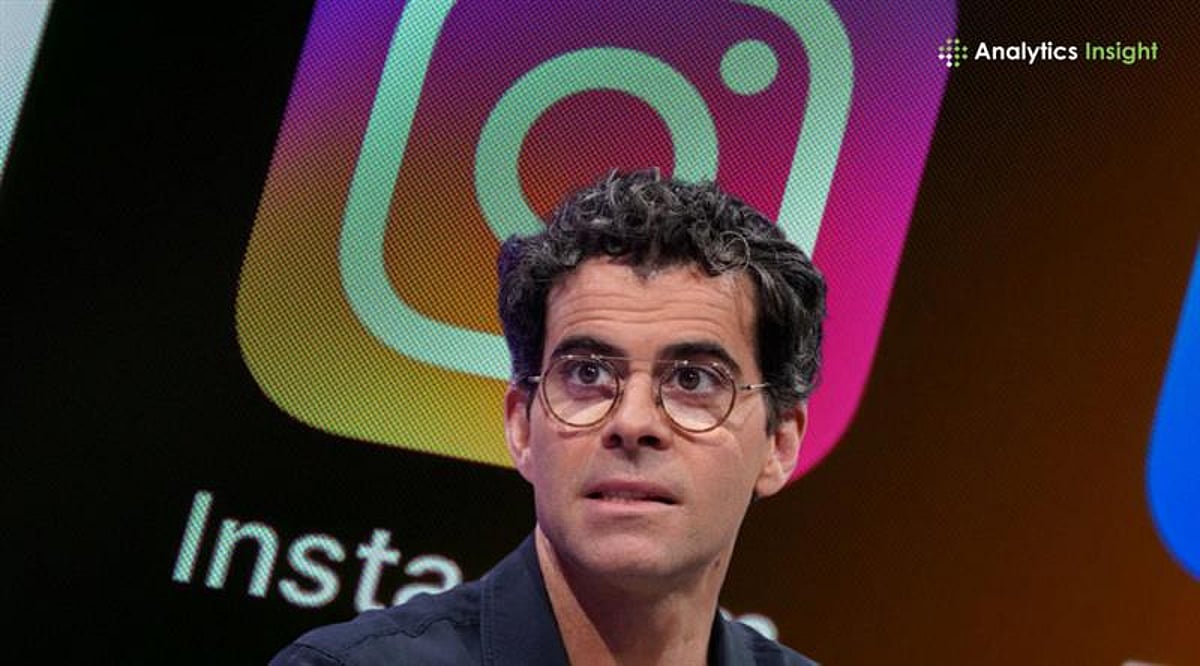
The rise of artificial intelligence (AI) on Instagram has reached a pivotal moment, complicating the differentiation between genuine content and synthetic media. Adam Mosseri, the head of Instagram, pointed out that tools capable of generating content have become so accessible that they can replicate the essence of a creator’s value, voice, and authenticity. This shift reflects a broader democratization of content creation, where the once-unique characteristics that defined individual creators can now be mirrored by virtually anyone with access to generative tools.
This rapid advancement in AI technology has resulted in an influx of high-quality, artificial visuals flooding the platform. However, the human psyche seems ill-equipped for this paradigm shift. People are inherently wired to trust what they see, a predisposition that may lead to confusion as the lines blur between reality and fabrication. This emerging landscape challenges users to reconsider their instinctive trust in visual content.
In a recent statement on Threads, Mosseri emphasized the necessity of transitioning from a “trust by default” mindset to one characterized by inherent skepticism. This shift is critical, he noted, because the rise of artificial intelligence has made the production of “perfect” content a low-cost and widely available commodity. As a result, users must now navigate a digital environment where authenticity is increasingly difficult to ascertain.
The implications of this trend extend beyond Instagram, raising questions about the future of social media and content consumption. As generative AI tools proliferate, the potential for misinformation and manipulated content increases, posing new challenges for platforms and users alike. The ease with which synthetic media can be created may lead to a saturation of visuals that, while polished, lack the genuine essence that consumers typically seek.
As the landscape continues to evolve, the importance of media literacy becomes evident. Users must be equipped with the skills to critically assess content and distinguish between real and artificial. Companies in the social media space may also need to implement measures to safeguard against the potential misuse of AI-generated content, ensuring that platforms remain trustworthy and reliable sources of information.
Looking ahead, the challenge will be to foster a digital environment in which genuine content can thrive alongside synthetic creations. Mosseri’s emphasis on skepticism signals a crucial adjustment in user behavior, one that may reshape how individuals interact with social media. As the distinctions between creator and imitator become increasingly blurred, the onus will be on both users and platforms to navigate this new era of content creation responsibly.
See also Top 7 AI Chat Apps of 2026 Ranked: Features, Pricing, and Best Use Cases
 Microsoft Introduces PrivacyChecker, Reducing Info Leakage in LLMs by Up to 75%
 OpenAI Unveils GPT-4o, Achieving Real-Time Multimodal AI with 320ms Response Time
 Top 10 US Generative AI Companies Revolutionizing Innovation and Workflow Solutions
 AI Ethics Gains Momentum as C2PA Pushes for Provenance Standards in Media Authenticity