SPRINGFIELD, Ill. (CNI) – New education-related laws set to take effect in 2025 reflect the intertwined issues of immigrant rights and artificial intelligence (AI). These measures come in response to heightened concerns over the rights of noncitizen students and the rapid incorporation of AI technologies in educational settings.
The focus on the rights of noncitizen students surged following President Donald Trump’s inauguration for a second term in January 2025. Immediately after his inauguration, the Department of Homeland Security rescinded a policy from the Biden administration that had previously limited immigration enforcement actions near “sensitive locations,” including schools and playgrounds.
In response, Illinois Superintendent of Education Tony Sanders issued guidance urging school officials to clarify their cooperation with federal immigration authorities. Concurrently, the Democratic-controlled General Assembly passed legislation aimed at bolstering protections for noncitizens throughout the state.
One notable piece of legislation is House Bill 3247, signed into law on August 15, which prohibits schools from barring students from attending or participating in programs based on their immigration status or that of their parents or guardians. “In the face of federal threats to our schools and students, our communities came together and organized to demand that our state leaders stand up for education for all Illinois children,” stated Lawrence Benito, executive director of the Illinois Coalition for Immigrant and Refugee Rights.
The law explicitly forbids schools from requesting information about a student’s or their guardians’ citizenship or immigration status unless mandated by state or federal law. It also prevents the disclosure of such information to authorities without explicit legal requirements. Schools violating these provisions may face civil suits for damages starting July 1, 2025.
Another significant development is House Bill 460, which expands eligibility for publicly funded scholarships to students regardless of their immigration status. Previously, Illinois law allowed state financial aid only for students who met residency requirements. The new measure extends this eligibility to local government-administered programs as well.
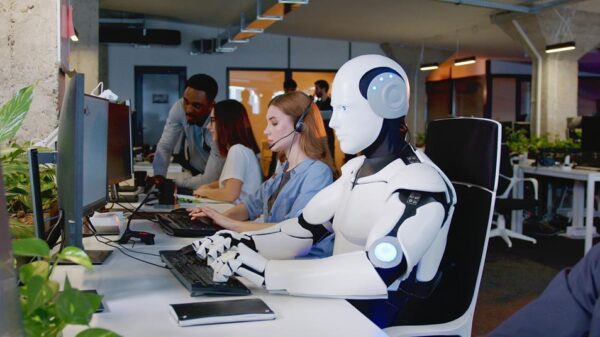
On the AI front, the recent proliferation of technologies like ChatGPT and Copilot has raised questions about their role in education. Illinois lawmakers have responded with House Bill 1859, mandating that community colleges ensure all faculty members are actual qualified individuals. This legislation prohibits the use of AI as the sole instructional source, though teachers may use AI as a supplementary tool.
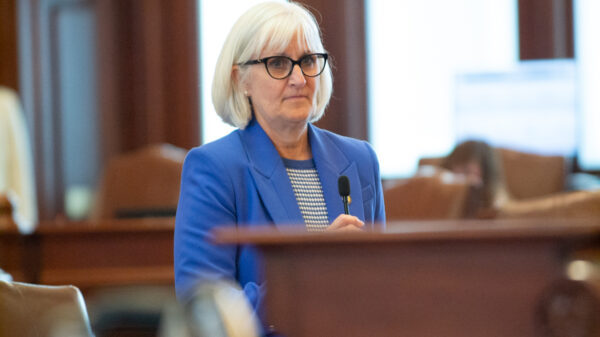
“Artificial intelligence is a powerful tool that can enhance both students’ and teachers’ capability to learn and teach, but it cannot replace an instructor,” remarked Rep. Abdelnasser Rashid, D-Bridgeview, the bill’s lead sponsor. “This legislation clarifies that college courses must be taught by real people, not AI.”
At the K-12 level, the approach to AI is less prescriptive. Senate Bill 1920 directs the Illinois State Board of Education (ISBE) to create guidelines for the use of AI in schools. This includes a foundational explanation of AI, its classroom applications, and guidance on protecting student data privacy, as well as education on the ethical use of AI and potential biases within these technologies. The ISBE is tasked with publishing these guidelines by July 1, 2025.
In addition to these laws, several changes aim to enhance educational opportunities. Starting January 1, 2025, seventh and eighth graders will have the chance to earn high school credits by enrolling in high school classes, provided they pass the courses and related examinations. House Bill 1366 mandates that districts inform parents of students with special needs about their rights to bring third-party advocates to Individual Education Plan (IEP) meetings.
As Illinois grapples with these pressing issues, the new legislation demonstrates a commitment to inclusivity in education and addresses the evolving role of technology in teaching. These changes reflect broader trends in societal values and technological advancements, shaping the future landscape of education in the state and beyond.
See also OpenAI Launches Academy to Empower Newsrooms with Practical AI Training and Resources
 Nvidia Evaluates Stock Valuation Ahead of CES 2026, Targeting $235 Fair Value
 Boston Dynamics’ Atlas Advances in AI Training for Factory Tasks, Targeting $38B Humanoid Market
 Top 3 AI Stocks Poised for Growth Amid Tech Disruption: Invest Now for Future Gains
 Meta Acquires Manus for $2 Billion, Accelerates AI Ad Strategy Across Platforms