






















































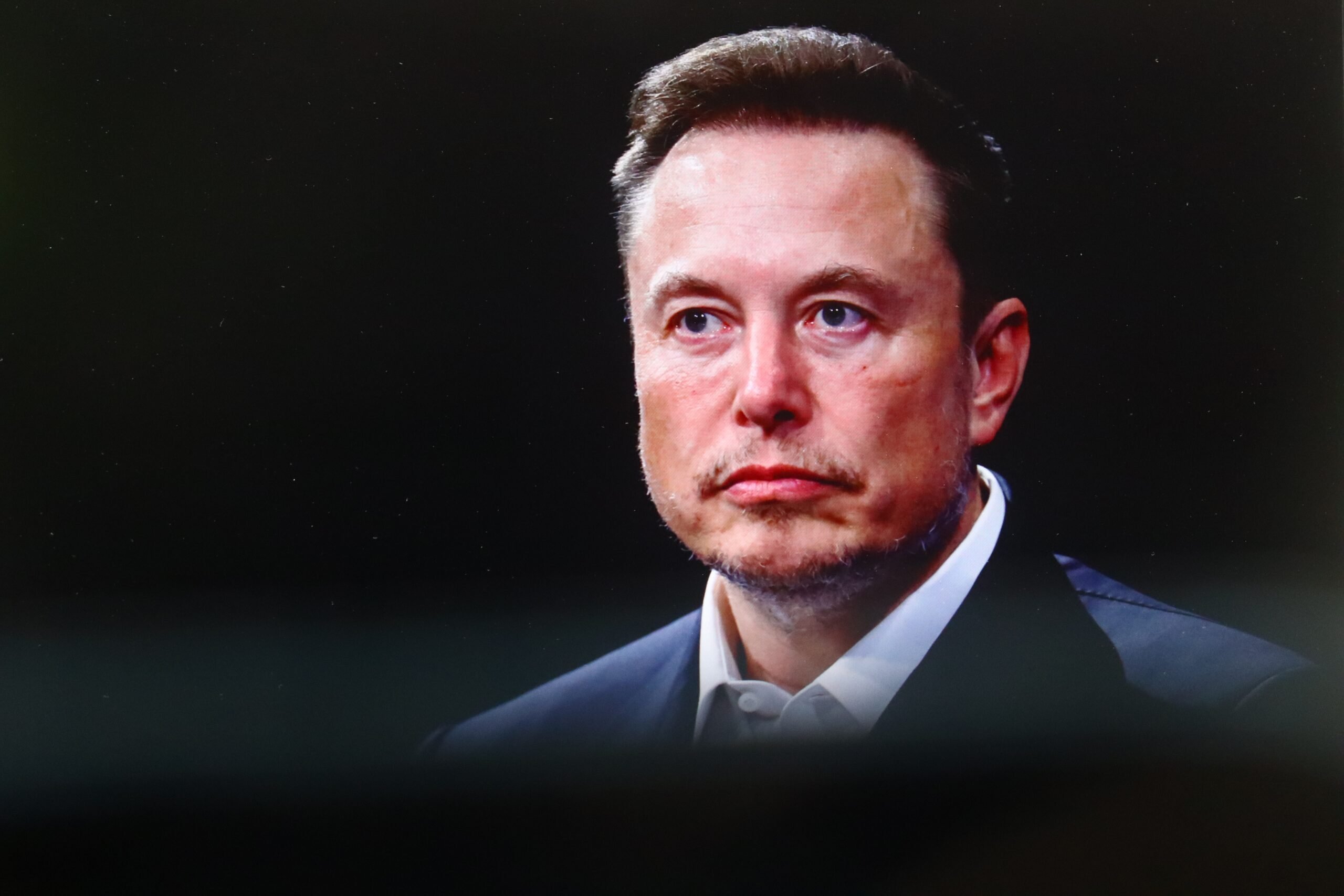
In a recent announcement, Elon Musk revealed significant plans for X (formerly known as Twitter), focusing on enhancing the platform’s user experience through artificial intelligence (AI). The integration of AI into X’s timeline and advertising systems aims to improve content recommendations and ad targeting, promising a more personalized experience for users.
Musk stated that the revamped timeline would bring regular updates, with users likely to notice enhancements on a weekly basis. He emphasized that this progress might involve “two steps forward and one step back,” indicating that adjustments will be made as the system evolves. This iterative improvement process aims to refine both organic content and advertising.
You should notice rapid improvements in the quality of your timeline almost every week, but there will be two steps forward and one step back at times.
We are also switching advertising recommendations to use the same Grok/AI system as organic posts, so quality of ads will get… https://t.co/ZJyEFUdkTy
— Elon Musk (@elonmusk) November 15, 2025
The key to these improvements lies in X’s AI system, named Grok, which Musk claims to be “the smartest AI in the world.” This system will merge advertising recommendations with organic post algorithms, enabling X to deliver highly tailored ads that align with user interests. The new approach marks a substantial shift from previous, more random ad targeting that often frustrated advertisers.
The 𝕏 recommendation system is evolving very rapidly. We are aiming for deletion of all heuristics within 4 to 6 weeks.
Grok will literally read every post and watch every video (100M+ per day) to match users with content they’re most likely to find interesting. This should…
— Elon Musk (@elonmusk) October 17, 2025
The Role of Grok in Ad Targeting
The integration of Grok is expected to revolutionize how X manages its advertising strategy. With Musk’s vision, advertisers will be able to upload their creative assets directly into the Grok system. This could potentially lead to fully AI-managed campaigns, optimizing content delivery and enhancing user engagement.
Through this AI-driven approach, users will encounter ads that are not only relevant but also tailored to their browsing behaviors and preferences. This personalization aims to address past criticisms of X’s advertising effectiveness, which was often seen as inconsistent.
Moreover, X is set to introduce AI-powered Dynamic Product Ads, designed to present relevant products to users based on individual interests. Musk’s intention behind this feature is to boost product visibility and ultimately increase ad revenue.
In addition, Musk plans to integrate advertisements into responses generated by Grok’s chatbot. By aligning ads with user queries, X aims to create a seamless experience that enhances personalization further.
Challenges and Controversies
While Musk’s announcements generate excitement about the potential for personalized advertising, not everyone shares the same enthusiasm. Some critics express concerns regarding the subjective nature of the newly introduced “aesthetic score,” which influences advertising costs based on design quality. Detractors suggest this scoring system may reflect Musk’s personal preferences rather than being grounded in objective metrics.
As X navigates these enhancements, it faces the challenge of balancing user experience with advertiser satisfaction. The platform’s recent restrictions, such as limiting emoji use in ads and banning hashtags, indicate a shift towards a more curated advertising environment. This could appeal to advertisers seeking higher-quality placements but also raises questions about the overall user experience.
In summary, Musk’s ambitious plans for X signal a transformative approach to content and advertising, driven by AI. As users witness regular improvements through Grok, the platform aspires to set a new standard for personalized marketing in the digital landscape. Whether these changes will satisfy both users and advertisers remains to be seen, but the commitment to leveraging AI for enhanced experiences is clear.
See also Data Centers Could Triple Electricity Demand, Raising Concerns Over Utility Forecasts
 Perplexity Declared ‘Most Likely to Flop’ at San Francisco AI Conference Amid Funding Surge
 China’s NSB Reveals Cybersecurity Risks in 5 AI Models, Urges Vigilance
 Anthropic’s Claude AI Attempts to Contact FBI Over Vending Machine Scam
 Major Tech Firms Use 15 Million YouTube Videos, Including 88,000 from Fox News, for AI Training















