Ministers in Ireland are urgently addressing concerns over the proliferation of deepfake images of semi-nude women and children on the social media platform X. The escalating situation has prompted Niamh Smyth, the junior minister responsible for artificial intelligence, to reach out to senior executives at the Irish offices of X for an immediate meeting. The focus of this dialogue is the company’s Grok artificial intelligence (AI) tool, which has drawn significant scrutiny due to its role in generating these distressing images.
Recent reports indicate that the issue has caused alarm within the government, as ministers scramble to find effective measures to combat the misuse of AI technology. The concern comes amid warnings from various advocacy groups about the potential for deepfake technology to facilitate and exacerbate instances of online abuse. The ramifications of this technology are particularly profound given its ability to create hyper-realistic but fictitious representations, raising ethical questions about consent and the potential for harm.
The rising alarm over these digital creations underscores a broader dilemma facing policymakers in an age where technology evolves rapidly, often outpacing regulatory frameworks. As Grok’s capabilities are being scrutinized, there is a growing consensus within the government that action must be taken to safeguard vulnerable populations, especially children, from exploitation through such technologies.
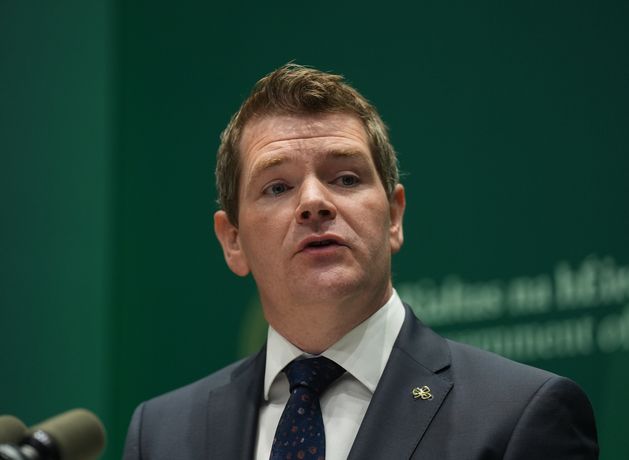
Enterprise, Tourism and Employment Minister Peter Burke has expressed concerns about the implications of AI tools like Grok for societal norms and safety. This sentiment is echoed by various ministers who are contemplating their continued presence on a platform that facilitates such content. The question of accountability for the platforms that host these technologies has risen to the fore, pushing policymakers to evaluate existing guidelines and protections.
The urgency of the situation has led to a call for a robust response from both the government and technology companies. Minister Smyth’s initiative to engage directly with X’s executives signals a willingness to confront these challenges head-on, aiming to foster a collaborative approach to mitigate risks associated with AI-generated content. As discussions progress, the government is likely to explore not only regulatory measures but also the potential for public awareness campaigns to educate users about the dangers posed by deepfake technology.
With the rise of AI-driven tools like Grok, the intersection of technology, ethics, and legal frameworks is increasingly complex. As governments worldwide assess their strategies for addressing these challenges, Ireland’s proactive stance may serve as a model for other nations facing similar dilemmas. The outcome of these discussions will be pivotal in shaping the future of AI governance and the protection of vulnerable groups in the digital landscape.
See also Government Delays Deepfake Law as Grok AI Sparks Sexual Abuse Concerns
 UK DWP Launches £23.4 Million AI Project to Streamline Benefits Claims Process
 Federal Minister Launches AI Training Module for 150 Civil Servants at CSA
 UK Government Calls Musk’s Grok AI Image Edit Policy “Insulting” to Abuse Victims
 Lenovo to Manufacture and Export AI Servers from India, Boosting Local Tech Ecosystem