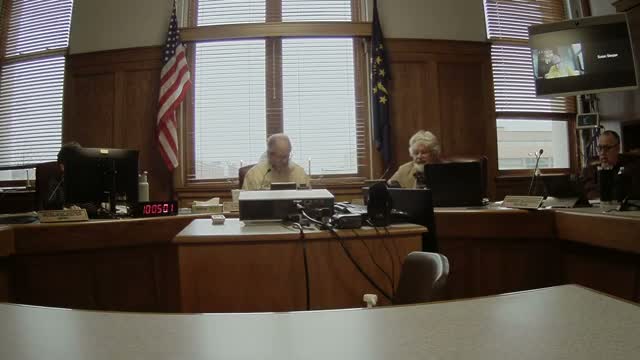
Concerns over a county code-compliance officer’s role have sparked discussions among local councilmembers, following a social media video that misrepresented the position. A council member reported receiving calls from residents who believed the officer’s duties constituted a full-time enforcement role. This prompted clarifications from both councilmembers and commissioners, emphasizing that the position is, in fact, part-time, capped at 20 hours per week, and operates on a complaint-driven basis.
One council member who shared the video clarified they did not assert that the officer was full-time. However, they cautioned voters about a proposed ordinance discussed earlier in the week that would have granted proactive driving-and-enforcement authority. In response to community pushback regarding this potential change, commissioners decided to maintain the current complaint-based enforcement approach.
Commissioner Bill Hartman, along with other council members, reiterated that there will be no establishment of a roaming code-enforcement practice within the county. The commitment to a complaint-driven system was emphasized as a vital part of their strategy moving forward. This reassurance aimed to quell fears among residents who felt misinformed about the officer’s role.
During the discussions, officials highlighted the importance of accurate communication with the public. Councilmembers urged that staff or commissioners should engage promptly with constituents to address any misunderstandings. The clarity in messaging is seen as crucial in preventing further confusion regarding the responsibilities of the code-compliance officer.
The broader significance of these discussions lies in the balance between community concerns and regulatory enforcement. As local governments navigate the complexities of code compliance, maintaining clear communication with residents remains essential. This incident serves as a reminder of the impact of social media on public perception and the importance of transparency in local governance.
See also UNESCO Report Highlights Capacity Building for Effective AI Regulation Amid Rapid Technological Change
 Congo Launches Seminar with Global Experts to Shape Digital Regulation and AI Governance
 Omer Tene Discusses Key Digital Policy Trends in Privacy and AI for 2026
 Florida’s Sam Garrison Forecasts Heated AI Regulation Debate Amid Property Tax Cuts
 Fairfax County School Board Approves $2.5M Renovation and Expels Two Students for Weapons