Recent weeks have seen turmoil at OpenAI, with several current and former employees voicing serious concerns about the company’s culture and practices. In an open letter, a group of whistleblowers, including employees from Google DeepMind, criticized their organizations for a perceived lack of transparency and a stifling atmosphere that discourages open discussion about the risks associated with artificial intelligence (AI) technologies.
The whistleblowers argue that the urgency for accountability is heightened by the absence of regulatory obligations that compel these tech giants to disclose information to government agencies. They emphasized that employees are among the few individuals capable of holding these corporations accountable. “Current and former employees are among the few people who can hold [these corporations] accountable to the public,” the letter states, highlighting the fear many have of facing retaliation for speaking out.
To address these issues, the signatories are calling for leading AI companies to adopt principles that promote transparency and accountability. They request the establishment of an anonymous process for employees to report risks and advocate for fostering a culture that allows open criticism while protecting trade secrets. Additionally, they emphasize that employees should not face repercussions for disclosing “risk-related confidential information” if internal processes fail to address their concerns.
The letter outlines a range of concerns about AI, including the potential for entrenching existing inequalities, contributing to the spread of misinformation, and even the risk of human extinction. These fears underscore the urgent need for a more conscientious approach to AI development, as highlighted by Daniel Kokotajlo, a former OpenAI researcher and one of the letter’s organizers. Kokotajlo described OpenAI’s current trajectory as a “reckless race” towards becoming a leader in AI.
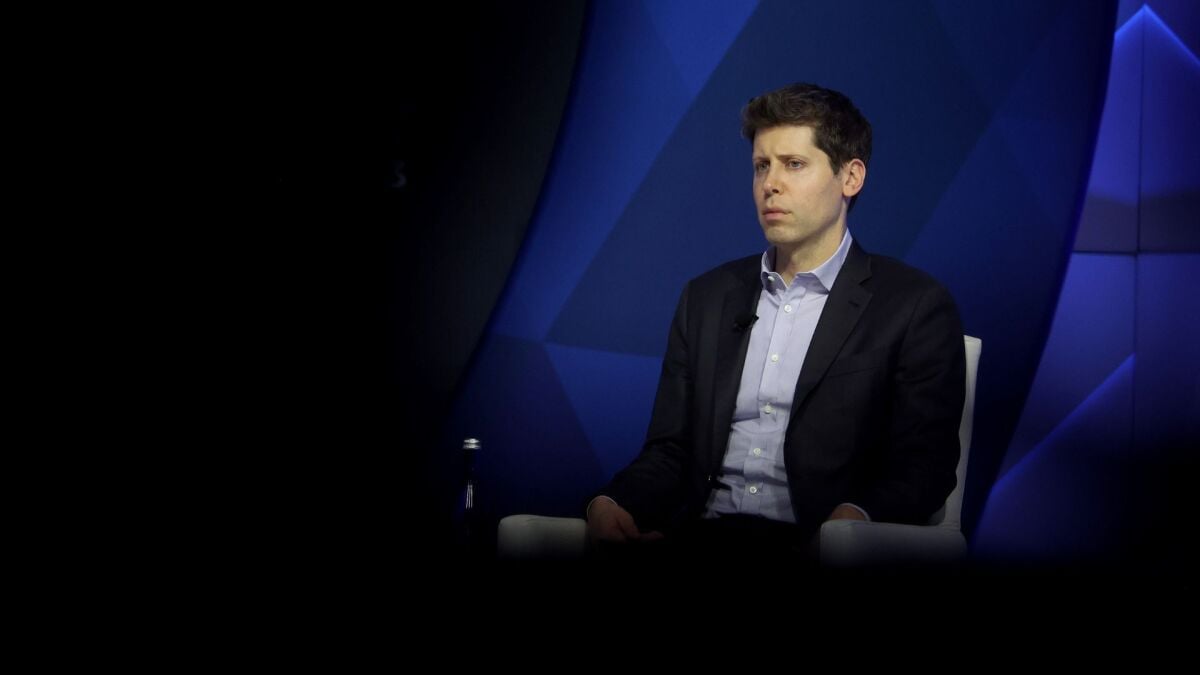
In light of these criticisms, OpenAI has faced scrutiny regarding its safety protocols. The company’s recent establishment of an internal safety team has also raised eyebrows, particularly given that CEO Sam Altman leads this initiative. Concerns have been raised about whether this structure allows for sufficient oversight and whether the company is genuinely committed to prioritizing safety over competitive advantage.
The discourse surrounding the governance of AI has garnered significant attention as society grapples with the implications of rapidly advancing technology. Increased public awareness of potential risks has put pressure on companies like OpenAI and DeepMind to adopt more responsible practices. The whistleblowers’ letter is a crucial step towards fostering a dialogue about the ethical considerations and safety measures needed in the fast-evolving field of AI.
As the AI landscape continues to evolve, the voices of those within these organizations will be vital in shaping the future of technology. The push for transparency and accountability reflects a broader demand for ethical standards in AI development, signifying that the stakes are not just about technological advancement but also about safeguarding society against potential harms. The actions taken by these companies in response to such calls for change will ultimately influence the trajectory of AI and its integration into everyday life.
See also Toy Makers Tackle AI Risks After Chatbot-Infused Toys Trigger Controversy and Suspensions
 Toast’s AI Retail Tools Revolutionize Inventory Management, Boosting $47.75 Fair Value Potential
 DeepSeek Launches Next-Gen V4 AI Model, Outperforming GPT Series in Coding Tasks
 Tencent Valuation Surges Amid AI Strategy Boost from Ex-OpenAI Scientist
 Stability AI Launches Stable Audio 2.0: Generate 3-Minute Tracks with New Features