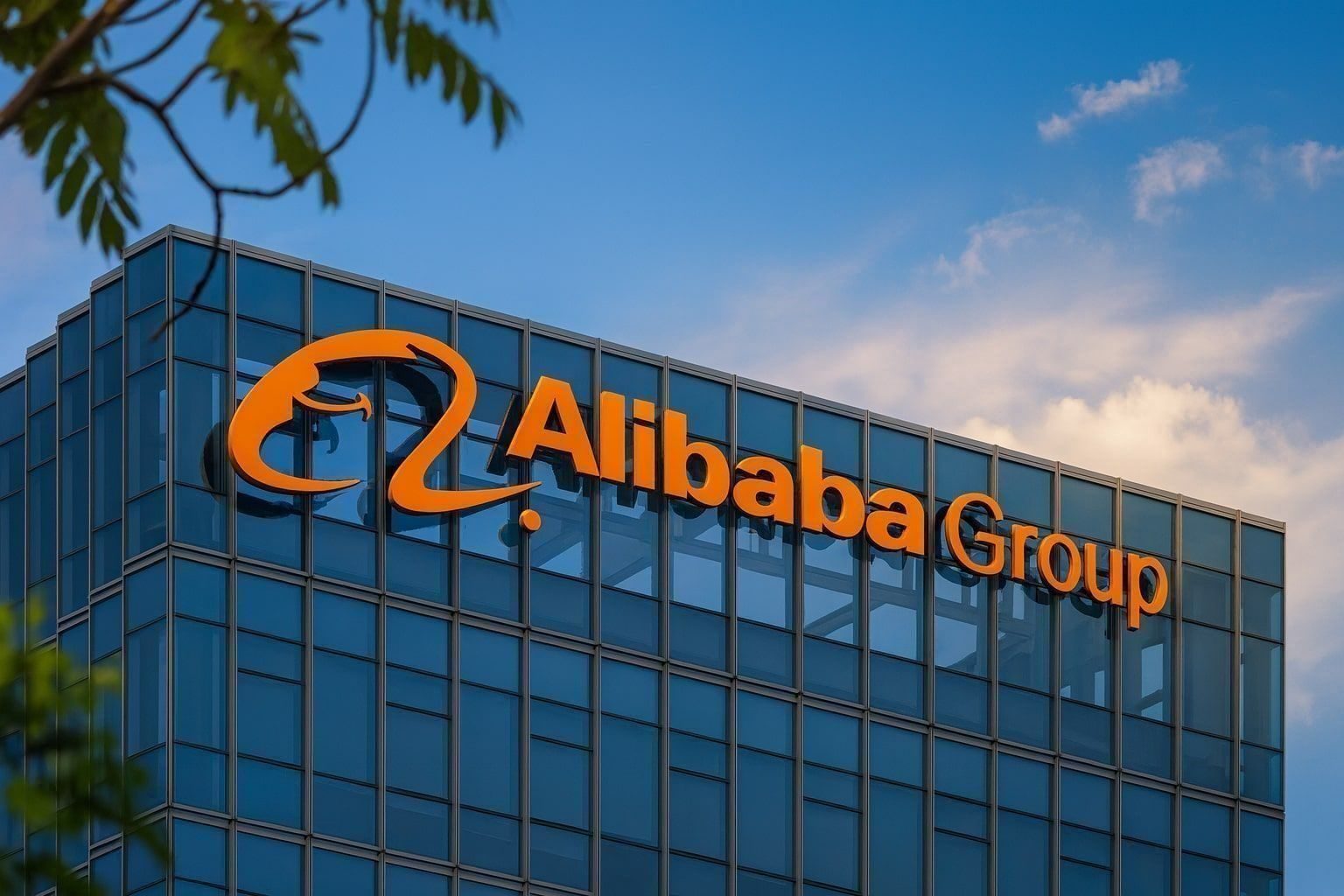
NEW YORK, Jan 12, 2026, 11:08 EST — Shares of Alibaba Group Holding (BABA.N) surged nearly 9.8% to $165.68 in late morning trading on Monday, following reports that its Qwen open-source AI models surpassed 700 million downloads on Hugging Face, a platform where developers exchange and refine models. This significant uptick in downloads is a rare public indicator that investors can latch onto in the intensifying competition in the AI sector.
The download figures, cited in a report by the South China Morning Post and analyzed by consultancy AIBase, reveal that Qwen’s December downloads outpaced the combined total of the next eight models, which include competitors from Meta Platforms and OpenAI. According to AIBase, “tens of thousands of real-world applications” have already been developed using Qwen, reflecting the model’s growing influence in the AI landscape. The surge in downloads comes as Alibaba aims to enhance its market position, asserting that cloud computing and AI will play a pivotal role in its growth strategy.
Alibaba Cloud’s Qwen models hit the notable milestone of 700 million downloads as of January, signaling a robust interest in open-source AI. Open-source AI allows for greater accessibility, as models come with licenses that permit copying and modification, thereby speeding up adoption among developers. However, this also complicates the tracking of usage and adoption rates. While Alibaba provides paid tools and cloud computing resources to facilitate the deployment of these models, the competitive landscape remains fierce.
Alibaba’s efforts in the AI space are part of a broader strategy, emphasized by CEO Eddie Wu, who noted in September that “the speed of AI industry development has far exceeded our expectations.” The company recently announced a significant investment of 380 billion yuan (approximately $53 billion) in AI infrastructure over the next three years. Analysts, such as Lian Jye Su from Omdia, believe this investment will enhance Alibaba’s appeal to international AI developers and enterprise clients, especially as the company expands its overseas data center capabilities.
The push for open models was notably discussed at CES in Las Vegas, where the Chinese state news agency Xinhua reported that Alibaba’s Qwen releases have given rise to over 100,000 developer-driven variations. In contrast, rival DeepSeek introduced its R3 reasoning model under an open license, showcasing the competitive spirit in the open-source AI arena. Nvidia CEO Jensen Huang remarked that AI will “proliferate everywhere” as open-source innovation continues to gain momentum.
Despite the impressive download numbers, investors are cautious about whether this will translate into increased sales. There is a growing concern about whether the broader adoption of Qwen will lead to higher cloud revenue, particularly as businesses trend towards operating larger models on rented servers rather than local machines. Currently, Meta’s Llama remains a dominant benchmark in the open-source space, and while OpenAI has largely restricted access to its principal models, other players are consistently launching updates to their offerings.
While download counts serve as a rough gauge of interest, they come with caveats. A single developer may download a model multiple times, and many downloaded instances may go unused. Additionally, the rapid rise of open models raises concerns about safety and regulatory compliance, as any misuse could pose political challenges. As the landscape evolves, the full impact of these trends on the market and broader societal implications will continue to unfold.
See also AI Investments Set to Exceed $500 Billion in 2026, Shifting Market Dynamics for Investors
 CES 2026 Signals Price Hikes as AMD, Dell Face RAM Shortages Amid AI Demand
 TD SYNNEX Reports Q4 Revenue of $17.38B, Driven by Cloud and AI Demand
 RegulatingAI Appoints Mehdi Jomaa to Bolster Global AI Governance Amid Rising International Concerns
 Meta Unveils ‘Meta Compute’ Initiative, Aiming for $600B AI Infrastructure by 2028