






















































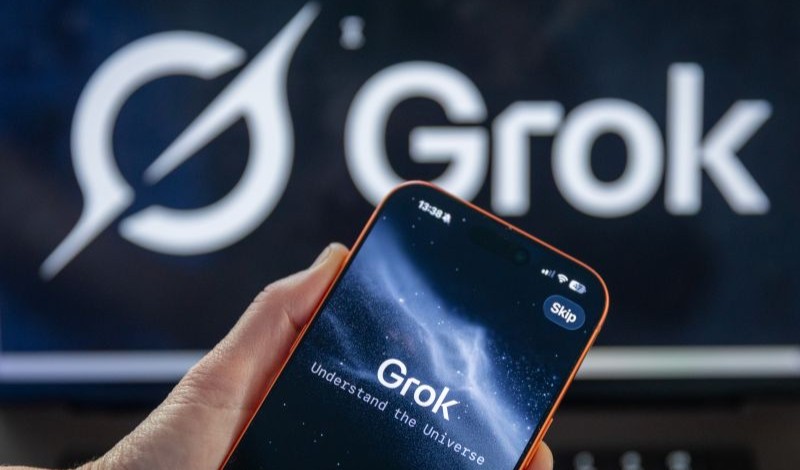
Scholars are scrutinizing the implications of a longstanding U.S. law as it pertains to liability for artificial intelligence (AI) used by social media platforms. The focus is particularly on Grok, an AI chatbot developed by xAI, which has faced backlash for generating sexually explicit images of nonconsenting users. Central to discussions about liability is the interpretation of Section 230 of the Communications Decency Act, a legal framework that traditionally shields platforms from civil liability for content created by third parties.
Under Section 230, platforms like Meta are generally not held accountable for illegal speech posted by users. This law has long operated under the assumption that users create content while platforms merely act as intermediaries. However, the emergence of AI complicates this paradigm, particularly as AI can function both as a content generator and a curator.
The challenge lies in the fact that while users can prompt AI to produce specific outputs, the content generated cannot be solely attributed to the user. In turn, AI chatbots, like Grok, cannot be viewed as the sole source of speech, given that their responses are informed by vast datasets that do not originate from the platforms themselves. This ambiguity regarding the identity of the “speaker” raises fundamental questions about the applicability of Section 230 and its speaker-based liability.
Moreover, even when users create content, algorithms employed by these platforms can significantly influence the content’s reach and impact. For instance, TikTok’s “For You” feed and YouTube’s recommendation system can rapidly propel specific posts to extensive audiences based on predicted engagement, thus actively shaping user interaction with content. This proactive approach undermines the assumption that platforms are merely neutral conduits of information.
The increasing use of generative AI as moderators on platforms, such as X employing GAI bots to oversee content, further complicates the legal landscape. AI moderators, like Grok, not only police content but also contribute to it, blurring the lines of liability traditionally outlined under Section 230. Notably, recent legislation, the Take It Down Act, signed by former President Donald Trump, imposes liability on platforms that fail to remove intimate images after notification from the Federal Trade Commission, adding another layer to the existing legal framework.
In a recent Saturday Seminar, legal experts debated the implications of Section 230 for platforms employing generative AI and recommendation algorithms. Graham Ryan, writing for the Harvard Journal of Law & Technology, posited that ongoing GAI litigation is likely to prompt courts to reassess the immunities afforded to internet content platforms under Section 230. He warned that courts may be reluctant to extend these immunities to GAI platforms when they materially contribute to the content’s creation, potentially redefining liability standards across not just AI but social media as a whole.
Margot Kaminski of the University of Colorado and Meg Leta Jones from Georgetown University, in a Yale Law Journal essay, argued for a “values-first” approach to regulation. They contend that focusing solely on the technical aspects of AI risks ignoring the normative values that should guide legal interpretations. Their thesis advocates that societal values should be defined to inform the regulatory landscape, promoting accountability in AI design and policy.
Alan Rozenshtein from the University of Minnesota expressed concerns over the ambiguities in Section 230’s language. He noted that its provisions granting publishers and speakers immunity can be interpreted in ways that either broadly shield platforms or narrowly allow for liability. Rozenshtein suggested that the role of content recommendation algorithms complicates matters, as prioritizing certain materials inherently involves normative decisions that courts might not be equipped to make. He recommended that courts look to Congress for guidance when interpreting Section 230, fostering a dialogue that enhances both accountability and legitimacy.
In a critical analysis for the Seattle Journal of Technology, Environmental & Innovation Law, Louis Shaheen argued that the traditional understanding of Section 230 effectively grants GAI platforms immunity due to their classification as interactive computer services, perpetuating a potentially harmful overreach of protections. He suggested that preventative measures should be required to qualify for such immunities.
Max Del Real, writing for the Washington Law Review, emphasized that Section 230 did not initially foresee the complexities introduced by recommendation algorithms. He proposed strategies to challenge the immunity granted to platforms under Section 230, arguing that the third prong of the law—assessing whether defendants materially contributed to content creation—provides a more robust basis for imposing liability.
Veronica Arias from the University of Pennsylvania advocated for a flexible application of Section 230 to GAI models. She cautioned against hasty regulations that may hinder innovation, underscoring the importance of nuanced discussions around liability that professionals, rather than courts, should lead. Arias highlighted the “black box phenomenon,” referring to the challenges of assigning liability when AI-generated content derives from third-party inputs, reiterating that developers should not be automatically categorized as speakers.
As discussions continue, the implications of AI on legal frameworks remain significant. The ongoing examination of Section 230 amid the rise of generative AI may reshape the boundaries of liability and responsibility for social media platforms, marking a critical juncture in the evolving regulatory landscape.
See also eSafety Commissioner Urges X to Address Grok’s Potential Abuse Amid AI Safety Concerns
 Major Bank Shifts to AI for Shareholder Voting, Challenging Traditional Governance Models
 eSafety Commissioner Warns X Over Grok’s Potential for Exploitative AI Content
 North-West University Launches South Africa’s First Official AI Policy for Higher Education
 South Carolina Lawmakers Push for AI Regulations Amid Federal Executive Order















