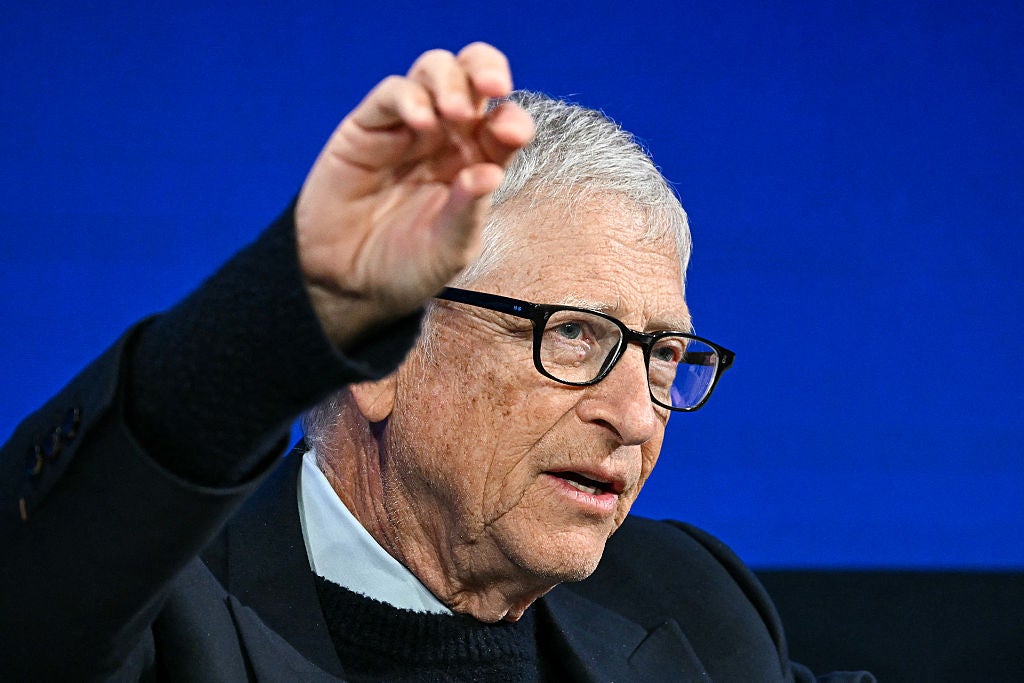
The Gates Foundation and OpenAI announced a $50 million initiative aimed at deploying artificial intelligence (AI) across Africa to address significant healthcare workforce shortages, with a target of impacting 1,000 primary healthcare clinics and their surrounding communities by 2028. The pilot program, dubbed Horizon1000, was unveiled by Bill Gates during the World Economic Forum (WEF) in Davos on January 21.
Gates emphasized the critical need for AI in enhancing healthcare delivery, particularly in developing nations. “Compared to discovery, it’s even more important that AI be used on the delivery side,” he stated. “That’s true in rich countries but even more true in developing countries where you’re never going to have enough doctors or clinicians to deal with the demand manually.”
The initiative aims to elevate the quality of healthcare services and enhance efficiency, potentially doubling current levels of productivity by reducing administrative burdens and optimizing patient resource management. “The goal is to make the work there much higher quality, and if possible, twice as efficient as it is today,” Gates noted.
Despite projections for an increase in the healthcare workforce across Africa, research indicates a shortfall of approximately 6 million workers by 2030. The World Health Organization (WHO) highlights challenges such as a disconnect between training outputs and labor market demands, outdated educational models, and insufficient investments in training institutions.
Moreover, the Africa Centres for Disease Control and Prevention (CDC) points to the migration of health professionals away from their home countries, primarily towards wealthier nations. Projections indicate that Africa could lose around $1.4 trillion cumulatively by 2063 due to this “health worker migration.”
The Horizon1000 initiative will commence in Rwanda, with plans to expand to Kenya, South Africa, and Nigeria over time. Gates characterized the $50 million investment as merely the beginning of a broader commitment.
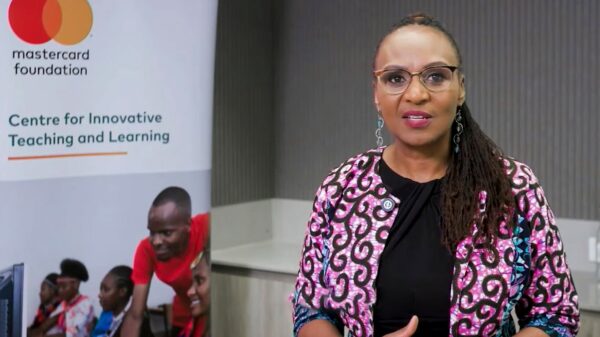
Speaking alongside Gates at Davos, Paula Ingabire, Rwanda’s minister of information and communications technology, expressed gratitude for the partnership. “We’re very grateful that the Gates Foundation has chosen Rwanda to be one of the countries where they start this engagement with OpenAI,” she stated, highlighting the intention to develop decision support tools for over 60,000 community health workers delivering primary care across the country.
Horizon1000 aims to expedite the integration of AI technologies within primary care clinics, local communities, and individual households. Gates stressed that these AI tools are designed to assist, not replace, health workers.
In wealthier countries, AI applications in healthcare have already shown promise through tools such as transcription services, virtual consultations, and automated diagnostic platforms. Notable models include OpenAI’s ChatGPT, Google’s Gemini, and Anthropic’s Claude. Both OpenAI and Anthropic announced healthcare-focused versions of their platforms in January 2026.
A report by GlobalData predicts that revenue for AI platforms in the healthcare sector will reach $57.4 billion globally by 2029, underscoring the growing significance of AI in the industry.
This partnership between the Gates Foundation and OpenAI signifies a strategic move towards leveraging technology to bridge the healthcare gap in Africa, a region facing unique and pressing challenges. The implications of Horizon1000 could transform healthcare delivery, potentially setting a precedent for similar initiatives in other developing nations.
See also Global AI’s Agentic AI Platform Transforms Compliance Workflows for Leading European Insurer, Reducing Costs and Risks
 AI Surpasses Average Human Creativity in Groundbreaking Study, Yet Top Talent Prevails
 NYSE Pre-Market: AI Innovations and BitGo IPO Set to Transform Market Dynamics
 Thurston County Secures $35K Grant for AI Cameras to Enhance Voter Registration Security