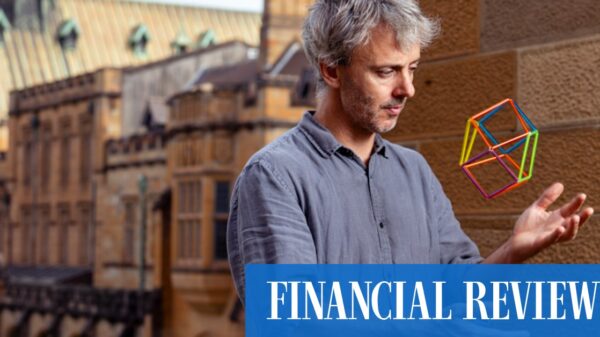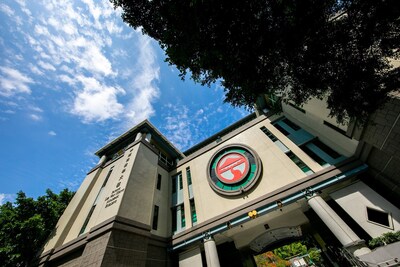
On November 17, 2025, a significant seminar titled “The Transformation of Global Higher Education Learning Pedagogies: Harnessing the Innovation and Technology Revolution” took place, co-hosted by Lingnan University’s Teaching and Learning Centre (TLC) and The University of Sydney’s Educational Innovation (EI) Team. Drawing around 300 participants, both in-person and online, the event emphasized the pressing need to innovate educational practices to align with the demands of the AI era.
As artificial intelligence technologies increasingly infiltrate educational environments, traditional pedagogies and assessment methods are becoming obsolete. Professor Frankie Lam, the Director of the Teaching and Learning Centre at Lingnan University, articulated this urgency, arguing that current educational frameworks fail to meet students’ needs in an AI-centric world. His sentiments were echoed by Professor Jen Scott Curwood from The University of Sydney, who proposed a transformative, process-oriented framework for assessments. She emphasized shifting focus from merely evaluating the final product to valuing the entire learning journey. This involves implementing authentic assessments that foster learner-AI dialogues and encourage critical reflections, thereby promoting deeper learning experiences.
Professor Albert Ko from Lingnan University further expanded the conversation during his session, “Empowering Non-STEM Degree Students to Apply Technology to Solve Humanitarian Challenges.” He highlighted the imperative to equip non-STEM students with technological skills necessary for addressing pressing social issues, underscoring the need for an educational evolution that spans diverse disciplines.
The seminar concluded with Professor Lam’s incisive analysis on the transformation of assessments in higher education. As AI tools become more accessible to students, it is crucial for educational institutions to leverage these innovative technologies to enhance student outcomes. Lam argued that institutions must prioritize developing essential graduate attributes, including critical thinking, effective communication, collaboration, social responsibility, and AI literacy.
In light of these discussions, the seminar underscored an unavoidable truth: higher education must embrace this transformational moment to prepare students for a future where technology seamlessly integrates with human skills. The insights shared by the speakers reflect a broader trend in education, where adapting to the technological revolution is not just beneficial but necessary for fostering a competent and adaptable workforce.
See also Winthrop University Launches SC’s First AI Major Amid Ongoing Industry Debate
 Oxford Professor Reveals 3 Essential Ways Schools Can Shape AI Literacy for Students
 WSU Researchers Secure $82,500 Grant from Microsoft to Enhance AI in Rural Schools
 AI Transforms Medical Education with New Assessment Tools and Ethical Insights
 Nigerian Schools Must Integrate AI in Curriculum to Enhance Learning and Teaching Efficiency