Families in the Collingswood district can anticipate an extensive social media campaign titled “One Campus, One Community,” designed to amplify student voices weekly and facilitate at least one family engagement night during the next phase of the school’s ongoing transition. This initiative is part of a larger effort encompassing several operational phases aimed at enhancing the academic environment as the district prepares for a significant structural overhaul.
Phase six of the transition, scheduled for July and August, will primarily involve critical behind-the-scenes work. This includes finalizing student rosters, room assignments, and the necessary signage. Additionally, the district plans to pilot lunch schedules, conduct fire drills, and manage hallway traffic flow. Training for new staff will also be conducted, along with site visits, resource distribution, and necessary adjustments to ensure a smooth transition.
As the district approaches phase seven, covering August to September, it will officially launch the new campus operations, making immediate adjustments as students arrive. This overhaul comes as Collingswood grapples with academic and climate issues identified in recent data reviews. In late 2025, the school board examined disparities in test scores, student safety data, and racial gaps in educational outcomes, emphasizing the need for improved policies on mobile devices and bullying cases.
Data from a 2025 school climate survey revealed that while students generally felt safe, concerns were raised regarding behavior, academic culture, and the extent to which younger pupils’ voices are acknowledged. As a response, the district is leveraging this data to inform school-specific improvement plans, integrating facilities and scheduling considerations with existing academic and behavioral goals.
AI Policy on Deck as Neighboring District Moves Ahead
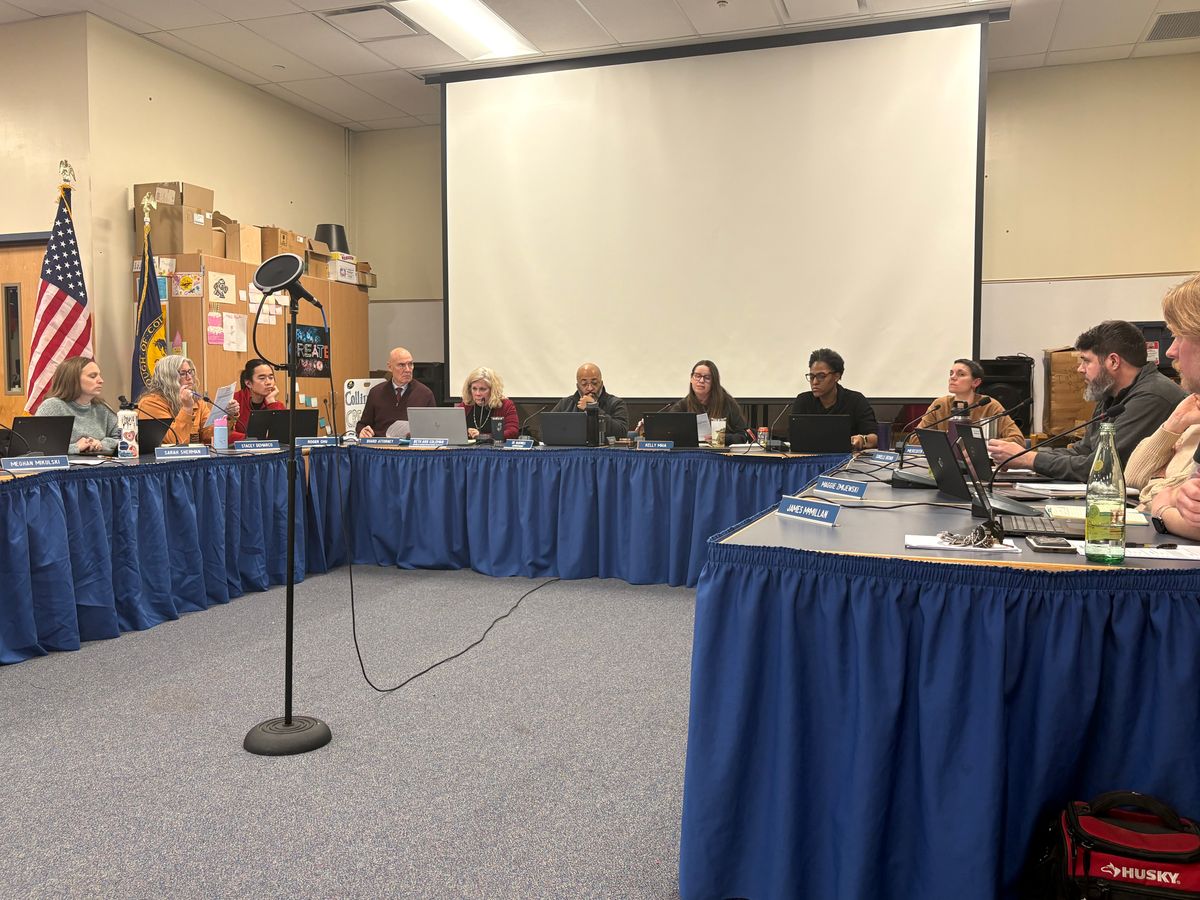
During a recent board meeting, Superintendent McDowell outlined the district’s plans to develop a formal policy on artificial intelligence (AI), indicating that the writing and review process would unfold throughout this semester. Board members can expect a proposed AI policy to be included in the May agenda for its first reading, followed by a second reading in June. McDowell noted, “The goal is to have a policy and AI plan recommendation for the board in time for us to not only budget for it, but also go into the summer planning and preparing for the training connected to it.”
Board Secretary Beth Ann Coleman highlighted the lack of statewide guidance on AI, echoing McDowell’s point that the state has offered limited direction regarding classroom use, data privacy, and academic integrity as AI tools gain traction. This discussion occurs amidst neighboring Haddon Heights’ preparations to implement a detailed AI framework in 2026, establishing grade-specific guidelines for classroom use, privacy safeguards, and penalties for plagiarism under what they describe as a human-centered approach.
Collingswood families have been seeking clarity on technology policies since last fall, when discussions arose concerning device management, equitable access, and the application of AI-driven tools under existing regulations. The district’s forthcoming AI policy aims to create standardized expectations for teachers and students ahead of the 2026-2027 academic year, coinciding with the unified campus launch and the statewide phone ban.
Another significant development discussed in the board meeting was New Jersey’s recently enacted “bell-to-bell” cell phone ban, which will prohibit non-academic cell phone use during school hours for students in grades K-12, effective in the 2026-2027 school year. Outgoing Governor Phil Murphy signed this law on January 8. Board member Meghan Mikulski sought clarity on whether the district had received formal guidance on implementing the new law. Coleman confirmed that they had not yet received such guidance, and McDowell reiterated that this lack of direction extended to AI regulations as well.
Currently, the Collingswood district enforces rules that restrict student access to electronic devices during the school day. While staff members uphold these expectations, there is a differentiation in procedures between high school and lower grades, particularly following the rollout of Yondr pouches—locked cases that keep phones out of reach during class time. McDowell expressed optimism about the new statewide ban, stating, “This new law makes it easier to enforce,” suggesting that a uniform statewide standard could alleviate local confusion regarding device usage policies.
See also Utah’s H.B. 286 Requires AI Firms to Disclose Child Safety Protocols and Risks
 DataBee Launches AI-Driven Compliance Platform to Enhance Security Decisions for Enterprises
 European Lawmakers Approve Copyright Protection for AI-Generated Work