






















































New England Business Media has announced that access to its website is currently restricted in certain regions as part of its regional access policy. This decision has raised questions among users who find themselves unable to access the content and services provided by the media outlet.
According to a statement from the company, the restriction is intended to regulate access based on geographical locations, but specific details regarding the criteria used for these decisions have not been disclosed. Those affected by the restrictions have been encouraged to reach out to New England Business Media directly if they believe their access is in error or if they have any business-related inquiries.
The company has provided an email address, [email protected], for users wishing to clarify their access issues. While some users have expressed frustration over the lack of access, others have acknowledged the need for regions to be managed based on business considerations.
The implications of these restrictions extend beyond individual accessibility. As digital media continues to evolve, companies are increasingly adopting regional access policies in response to various market conditions, regulatory requirements, and business strategies. This trend highlights the complexities that companies face as they strive to balance global reach with localized operations.
Industry observers note that such restrictions can have a significant impact on user engagement and advertising revenue, with potential effects on how content is curated and delivered. The challenge for media companies, including New England Business Media, lies in navigating these obstacles while maintaining a loyal user base.
As digital access becomes a focal point for many organizations, the situation surrounding New England Business Media serves as a reminder of the ongoing challenges in the media landscape. Users affected by the current regional restrictions are left waiting for a resolution, while the company emphasizes its commitment to connecting where possible.
Looking ahead, the situation may prompt further discussion regarding the effectiveness of regional access policies in the digital age. As media firms continue to adapt to changing market dynamics, the decisions made today may set important precedents for the future of digital content accessibility.
See also European Lawmakers Approve Copyright Protection for AI-Generated Work
 Gartner Predicts 50% of Organizations to Adopt Zero-Trust Data Governance by 2028
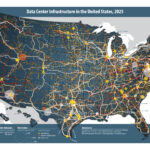 Garfield Township Fast-Tracks Data Center Regulations Amid AI Infrastructure Boom
 APAC Banks Face Heavy Manual Compliance Burdens Despite 54% Exploring AI Solutions






