Meta Platforms Inc. announced plans to double its capital spending to as much as $135 billion this year, marking a significant investment in artificial intelligence. This move underscores the escalating competition among U.S. tech giants as they vie for leadership in the rapidly evolving tech landscape.
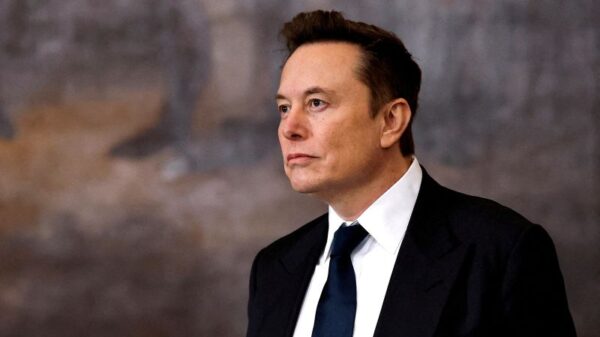
In a related development, Tesla Inc. will allocate $20 billion this year towards various initiatives, including AI, self-driving technology, and robotics—nearly double Wall Street estimates. The company will also invest an additional $2 billion into Elon Musk’s xAI startup. Musk emphasized the necessity for Tesla to develop its own semiconductor factory, citing the constraints in chip supply.
During an earnings call on Wednesday, Meta CEO Mark Zuckerberg expressed optimism about a forthcoming “major AI acceleration” that has been developing within the industry for over a year. Following a comprehensive overhaul of the company’s AI program set for 2025, Zuckerberg indicated that new models and products would soon be unveiled. This news contributed to an 11% surge in Meta’s stock at the start of trading on Thursday after the company’s earnings exceeded expectations, buoyed by a robust advertising business.
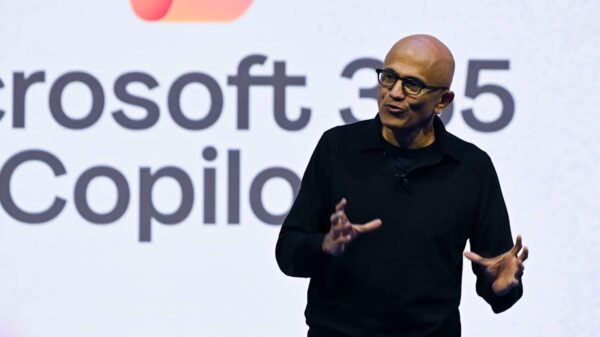
However, financial results from Microsoft Corp. underscored the delicate nature of investor sentiment regarding AI. Microsoft’s quarterly spending surpassed forecasts, while its Azure cloud business barely met expectations, resulting in the largest drop in its shares in nearly six years. Similarly, SAP SE reported a disappointing backlog for future sales of its cloud services, raising investor concerns about potential disruptions to its business model, which led to a significant decline in its stock price.
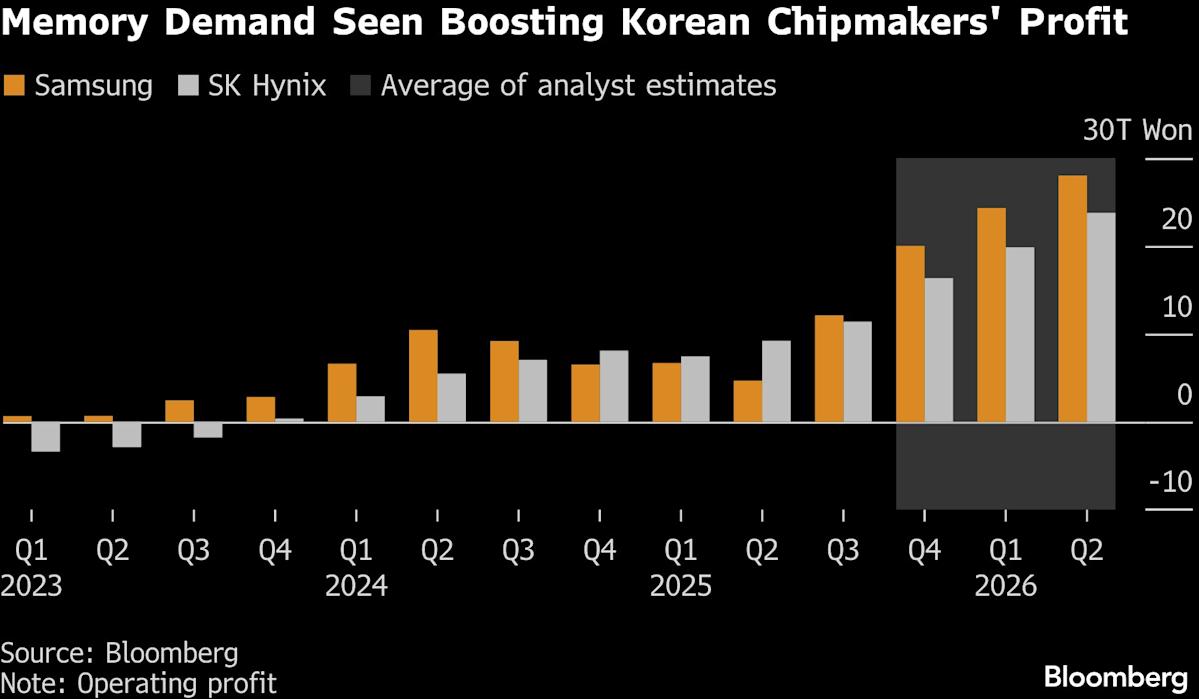
The surge in spending among major tech firms has had a ripple effect throughout the global supply chain. Hardware manufacturers like Samsung Electronics Co. and SK Hynix Inc., producers of memory chips crucial for Nvidia Corp.’s AI accelerators and data center servers, reported substantial profit increases. ASML Holding NV, the sole supplier of advanced lithography machines needed for semiconductor fabrication, also exceeded earnings estimates.
The escalating investments reflect a growing adoption of AI technologies, according to Sanjeev Rana, head of research at CLSA Securities Korea, who noted that “the companies are spending real money on real stuff.” He added that the current environment is “uncharted territory” for valuations, share prices, and demand cycles.
This heightened demand is exacerbating a global chip supply imbalance, posing risks to various industries including smartphones, electronics, and automotive manufacturing. While demand for high-performance chips from Nvidia and Advanced Micro Devices Inc. has long outstripped supply, investors are increasingly worried about potential shortages of basic memory chips as well.
Musk has acknowledged the looming challenges in chip availability, revealing earlier this month that he is contemplating the construction of Tesla’s own factory for logic and memory chips. In a podcast interview, he stated, “We’re going to hit a chip wall if we don’t do the fab. We’ve got two choices: hit the chip wall or make a fab.”
The rise in capital expenditures also heightens the risk associated with a potential decline in demand for AI technologies and their supporting infrastructure. Following a rally in tech stocks last year, investors have been quick to react by selling shares when companies show signs of faltering growth.
In the aftermath of these developments, Samsung’s shares dipped over 1% in after-hours trading in Seoul. This decline occurred despite the company’s plans to commence shipments of its next-generation high-bandwidth memory, HBM4, in February, a crucial milestone in its quest to compete with SK Hynix. Meanwhile, SK Hynix’s stock price showed minimal movement.
Attention in Asia is focused on the competition for dominance in next-generation HBM4 technology, which is anticipated to be integrated into Nvidia’s forthcoming flagship Rubin processors. Samsung is nearing certification from Nvidia for its latest AI memory chip, positioning it favorably in this competitive landscape.
The ongoing developments in AI and semiconductor investments signify a pivotal moment for the tech industry, as companies navigate both opportunities and challenges in a market characterized by rapid technological evolution and shifting consumer demands.
See also AI Revolutionizes FinTech: 30-50% Cost Reductions and Instant Loan Processing
 Apple Unveils Gemini-Powered Siri, AMI Labs Launches World-Model Strategy, $250M for OpenEvidence
 TintraOS Releases White Paper on AI-Driven Financial Infrastructure for Emerging Economies
 Top AI Personal Finance Assistants to Try in 2026: Cleo, YNAB, Rocket Money
 Oracle Plans to Cut 30,000 Jobs Amid $300B AI Data-Center Expansion Challenges