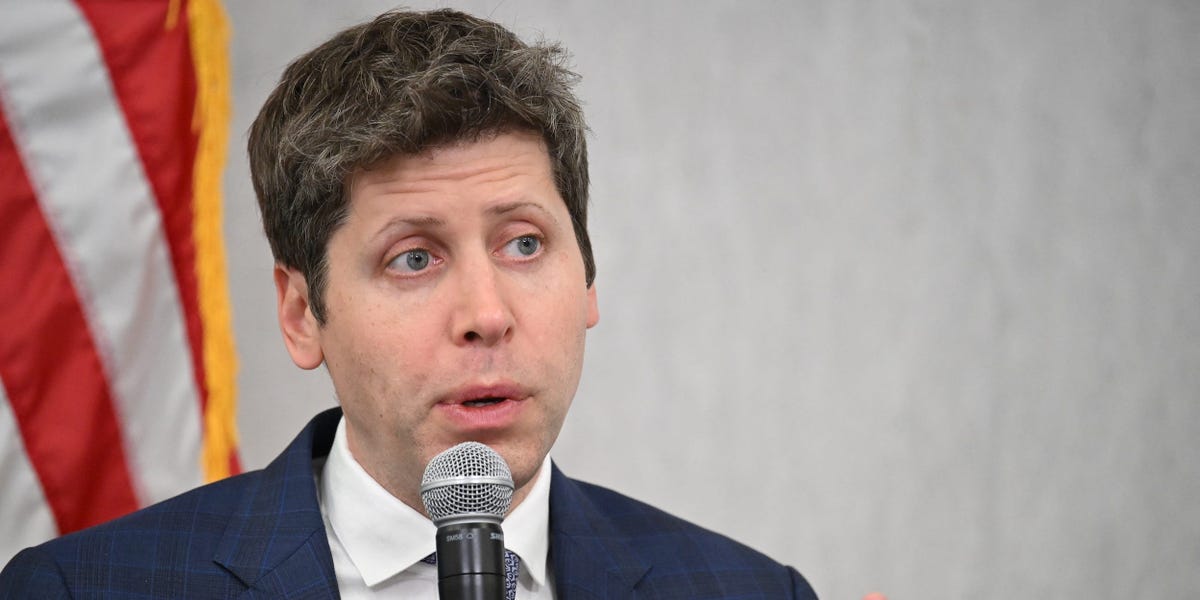
OpenAI has strengthened its safety initiatives by appointing Dylan Scand as its new head of preparedness, a position he previously held at rival Anthropic. Announced on X by CEO Sam Altman on Wednesday, Scand’s role is noteworthy not only for its strategic importance amid rising AI safety concerns but also for its substantial compensation package, which could reach up to $555,000 plus equity.
Altman expressed his enthusiasm for Scand’s appointment, stating, “Things are about to move quite fast and we will be working with extremely powerful models soon.” He emphasized Scand’s qualifications, declaring him “by far the best candidate I have met, anywhere, for this role.” In the competitive landscape of AI research, Scand’s transition highlights OpenAI’s commitment to addressing the complex safety challenges associated with advanced AI technologies.
In a post on X, Scand reflected on his tenure at Anthropic, noting his gratitude for the “extraordinary people” he worked alongside. He underscored the need for vigilance, stating, “AI is advancing rapidly. The potential benefits are great — and so are the risks of extreme and even irrecoverable harm.” This acknowledgment of the duality of AI’s impact aligns with the growing conversation surrounding ethical considerations in technology development.
Altman described the head of preparedness role as “stressful,” suggesting that immediate and high-stakes decisions will be part of the job. The position requires an individual capable of leading technical teams, making critical decisions amidst uncertainty, and aligning diverse stakeholders around safety measures. OpenAI’s job description highlighted the necessity for deep expertise in machine learning, AI safety, and related risk areas, emphasizing the complexity of the challenges ahead.
OpenAI’s safety approach has been under scrutiny, particularly as tensions have surfaced within the organization. Several former employees, including a past head of its safety team, have departed in recent years, raising questions about the company’s internal dynamics. This scrutiny has been compounded by legal challenges, with lawsuits alleging that OpenAI’s tools contributed to harmful behaviors.
In a recent report, OpenAI revealed alarming statistics indicating that some users of its ChatGPT platform exhibited signs of mental health distress. The company estimated that approximately 560,000 users each week show “possible signs of mental health emergencies.” In response, OpenAI is engaging with mental health specialists to enhance how its chatbot interacts with users displaying psychological distress or unhealthy dependence on the technology.
The appointment of Scand signals an aggressive push by OpenAI to fortify its safety protocols and respond to the evolving landscape of AI technologies. As the company prepares to work with increasingly powerful models, Scand’s leadership will be crucial in navigating the complexities associated with AI deployment and ensuring responsible practices. The implications of these developments are far-reaching, potentially influencing industry standards and informing regulatory discussions around AI safety.
As OpenAI continues to innovate, the focus on safety measures and ethical considerations will likely play a pivotal role in shaping both public perception and regulatory frameworks in the AI space. The future of AI hinges not only on its technological advancements but also on how effectively organizations like OpenAI address the inherent risks and responsibilities linked to their creations.
See also Anthropic AI Tool Triggers $285B Stock Selloff, Hitting Software and Financial Sectors Hard
 Nieman Fellows Discuss AI’s Role in Journalism: Opportunities and Ethical Challenges
 European Software & Ad Stocks Plunge as AI Models Disrupt Business Models; RELX Down 45%
 TradingView Reports Low Single-Digit Growth Amid Strategic AI Investments, Forecasts Modest 2026 Outlook
 Chinese AI Firms Defend Safety Practices Amid Global Criticism and Restrictions