






















































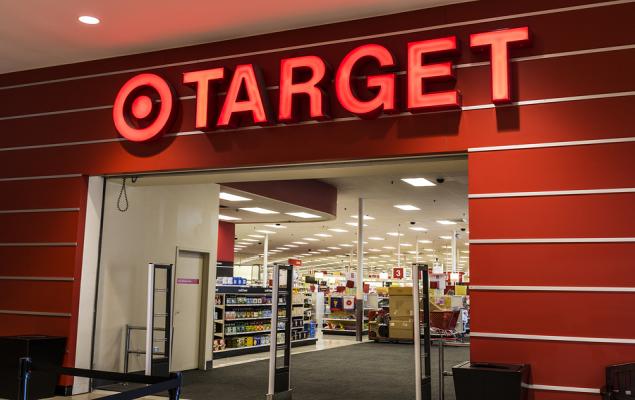
Target Corporation (TGT) is leveraging AI-powered inventory planning to tackle persistent challenges related to inconsistent in-stock performance. With sales pressure mounting, the company sees inventory reliability as crucial for enhancing customer experience, safeguarding market share, and supporting broader operational improvements across both stores and digital platforms.
To modernize its approach, Target is overhauling the technology used for forecasting, ordering, and positioning inventory. The company has implemented machine learning solutions aimed at optimizing the supply chain, ensuring that high-demand products are available at the right locations and times. Alongside these technological advancements, Target has introduced clearer metrics and process enhancements to better identify the root causes of out-of-stocks.
Initial outcomes indicate progress. In the third quarter of fiscal 2025, on-shelf availability for Target’s 5,000 most critical items—accounting for roughly 30% of total unit sales—rose by over 150 basis points year over year. Management noted that the rate of improvement has accelerated each quarter, reflecting the increasing effectiveness of the new inventory strategies.
AI is also transforming decision-making processes at Target. Merchants now benefit from access to real-time consumer insights and generative AI tools, including the internal application known as Trend Brain, which assists in demand forecasting and informs buying strategies. By anticipating needs earlier and quickly adapting to consumer behavior shifts, the retailer aims to mitigate stock discrepancies that often result in empty shelves.
While Target acknowledges that it still has work to do to meet customer expectations, sustained improvements in the availability of essential items could gradually rebuild consumer trust. If the AI-driven inventory enhancements maintain their momentum, they could evolve from a simple operational remedy into a significant competitive advantage, thereby supporting increased traffic, customer loyalty, and long-term growth.
Target’s competitors are also ramping up their AI initiatives. Walmart Inc. (WMT) is intensifying its AI strategies to deliver personalized, multi-modal, and context-aware experiences within its app as part of its third-quarter fiscal 2026 efforts. The company is applying AI across various domains, with over 40% of new software code now generated or assisted by AI technologies. Walmart is also focusing on workforce development, offering OpenAI certifications and ChatGPT Enterprise access to its associates.
Additionally, Walmart is collaborating with OpenAI to allow customers to purchase items directly through ChatGPT, aiming to create a more seamless and integrated shopping experience.
Best Buy Co., Inc. (BBY) is further advancing its AI-driven digital transformation in the same timeframe, integrating sophisticated AI capabilities across customer engagement and operational processes. The retailer has effectively utilized AI to streamline customer support, reducing customer contacts by 17% while enhancing satisfaction scores. AI technologies are also boosting product search, recommendations, and personalized marketing across its digital platforms.
Moreover, Best Buy is expanding its conversational AI and agentic commerce capabilities, which aim to simplify product discovery, checkout, and fulfillment. This strategic shift reinforces the company’s position as a technology-driven leader in the omnichannel retail space.
In terms of stock performance, TGT shares have risen 29% over the past three months, compared to the industry average growth of 12.1%. Target’s forward 12-month price-to-earnings ratio stands at 14.88, notably lower than the industry’s average of 33.35.
The Zacks Consensus Estimate for Target’s fiscal 2025 earnings indicates a year-over-year decline of 17.6%, while projections for fiscal 2026 suggest an uptick of 6.2%. The earnings estimates for both fiscal years have remained unchanged for 2025 and have seen a slight increase of 1 cent per share for 2026 over the past week.
Currently, Target holds a Zacks Rank of #2 (Buy), reflecting a positive outlook amid ongoing improvements driven by its AI initiatives. As the retail landscape evolves, Target’s commitment to enhancing inventory management through technology may prove crucial for maintaining its competitive edge.
See also Octobotics Secures $1.1M Seed Funding to Advance AI-Enabled NDT Robotics Solutions
 UBS Downgrades China’s Software Sector as AI Disrupts SaaS Profitability Model
 Tem Secures $75M to Expand AI Platform Cutting Business Electricity Bills by 30%
 Synthpop Secures $15M Series A to Enhance AI-Driven Healthcare Automation
 Bata India CIO Emphasizes Cloud-Driven Tech Overhaul for AI-Ready Retail Strategy















