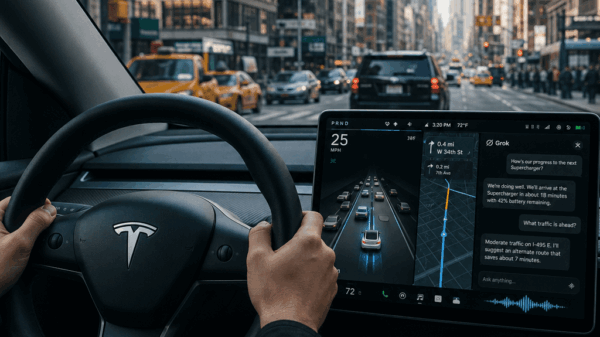
Tesla is embarking on a significant capital expenditure initiative, aiming to invest over $20 billion this year, a substantial increase from $8.5 billion in 2025. This ambitious spending plan signals the company’s commitment to expanding its electric vehicle production capabilities and advancing its initiatives in artificial intelligence (AI), robotaxis, and robotics. As the electric vehicle market continues to evolve, Tesla’s financial strategy will be crucial for maintaining its competitive edge.
In the backdrop of a broader surge in technology investments, with companies like Alphabet announcing plans to allocate up to $185 billion in 2026, Tesla’s strategy appears to be aligned with a rapidly growing focus on AI. The automotive leader is faced with challenges, including an 11% decline in auto sales during the fourth quarter of 2025, which contributed to a corresponding drop in overall operating income. Despite these hurdles, Tesla retains a strong liquidity position, currently holding $44 billion in cash and investments.
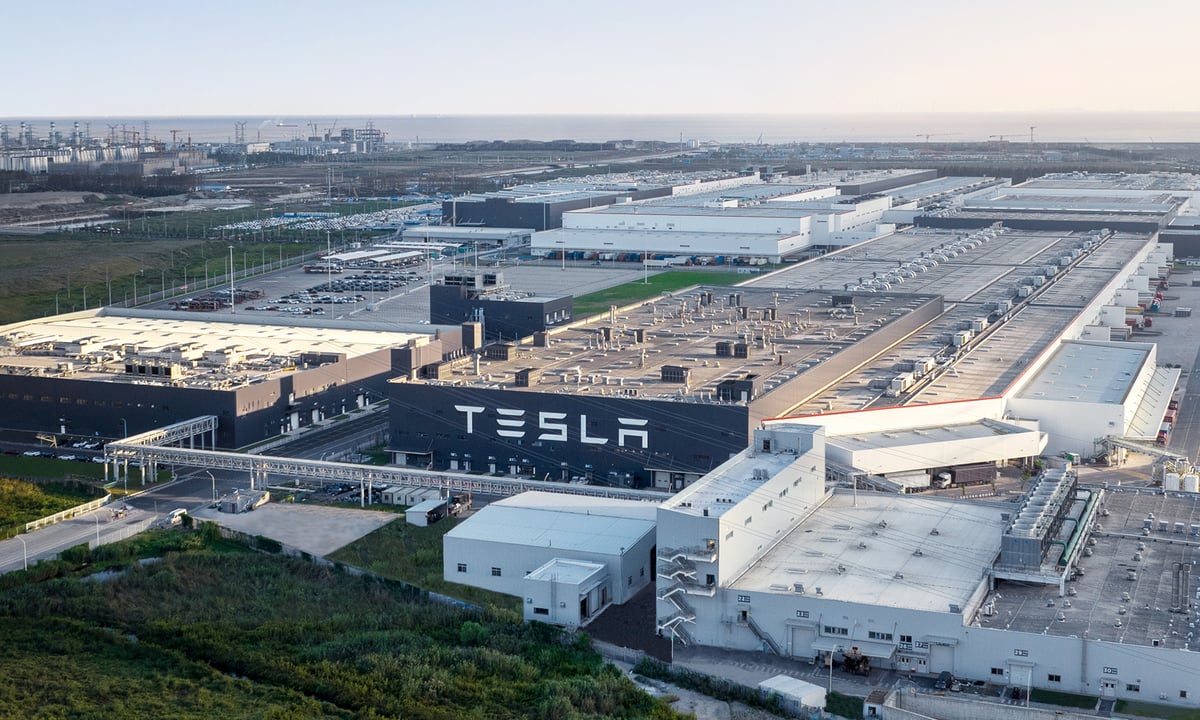
During the Q4 2025 earnings call, CFO Vaibhav Taneja highlighted that the company is not just focusing on quantity but also on quality investments. “On top of it, we will also be spending money for building our AI compute infrastructure and will continue investing in our existing factories to build more capacity,” he stated, emphasizing the importance of expanding their manufacturing capabilities. Tesla is actively working on six new factories, positioning itself to meet future demand.
Tesla’s future investments will also include the enhancement of its robotaxi and Optimus fleets, as well as a TeraFab facility to internally manufacture chips, which is not included in the current spending plans for 2026. This investment phase reflects Tesla’s “big aspirations,” according to Taneja, suggesting a strategic pivot toward more advanced technological integration in its operations.
As Tesla navigates these ambitious projects, investors are keenly assessing the financial implications. The company generated a positive free cash flow of $6.2 billion in 2025, giving it a runway to fund its expansion without immediate concerns over net losses. However, Tesla is also exploring further options to bolster its liquidity through potential debt financing. The company’s robust market capitalization of $1.4 trillion and a high price-to-earnings ratio of 365 provide additional avenues for raising equity capital with minimal dilution.
Despite its current struggles in core automotive sales, Tesla’s proactive approach to funding its future initiatives appears well-calibrated. The automotive sector is witnessing a transformative shift, with AI becoming an increasingly central focus. The company’s investments reflect a broader trend across the industry, showcasing the potential of AI in reshaping not only automotive manufacturing but also the overall transportation landscape.
As Tesla positions itself for long-term success, the outcomes of its substantial investments will be closely monitored by both investors and industry analysts. The interplay between innovation, production capacity, and financial health will be pivotal as Tesla aims to meet the evolving demands of the electric vehicle market. The road ahead is filled with opportunities, but also challenges, as the company strives to maintain its leadership in a rapidly changing technological landscape.
For more on Tesla’s initiatives, visit their official website. For insights into the broader AI landscape, check out OpenAI.
See also UNC Charlotte Students Turn to AI Chatbots for Companionship Amid Loneliness Epidemic
 Hotel Guests Favor Human Interaction Over AI for Emotional Requests, USF Study Reveals
 Apple Halts Standalone AI Health Coach Plans, Integrates Features into Apple Health Amidst Fierce Competition
 Autodesk Accuses Google of Trademark Infringement with ‘Flow’ AI Tool Launch
 Enterprise Software Giants Face Market Skepticism Amid Structural Disruption Signals