CEOs in Central and Eastern Europe (CEE) are demonstrating a renewed focus on short-term revenue growth, according to PwC’s 29th Annual Global CEO Survey—CEE edition. This trend contrasts with a broader global decline in CEO optimism. While CEE executives express confidence in immediate revenue prospects, they exhibit caution regarding the next three years, navigating a challenging landscape shaped by rapid technological advancements, geopolitical volatility, and economic pressures. Their resilience in managing short-term challenges has been commendable.
However, the survey highlights a potential downside; the urgency to prioritize immediate needs may overshadow essential investments in technology and innovation. Despite a growing interest in artificial intelligence (AI), many CEOs in the region report limited business benefits. Approximately 73 percent of CEE CEOs state that AI has had little to no effect on their revenue, and 57 percent indicate their costs remain unchanged—both figures surpassing global averages. Only 12 percent of CEE CEOs claim their organizations have achieved both cost savings and revenue growth from AI, typically those with robust foundational capabilities.
Geopolitical uncertainty continues to present a significant concern for CEE CEOs. The proportion reporting high exposure to geopolitical risk has increased from 34 percent to 39 percent over the past year. Additionally, macroeconomic volatility has climbed from 32 percent to 37 percent. In light of these global trade tensions, tariffs have emerged as a substantial threat, impacting 15 percent of CEOs in the region, with nearly one-third anticipating negative effects on profit margins.
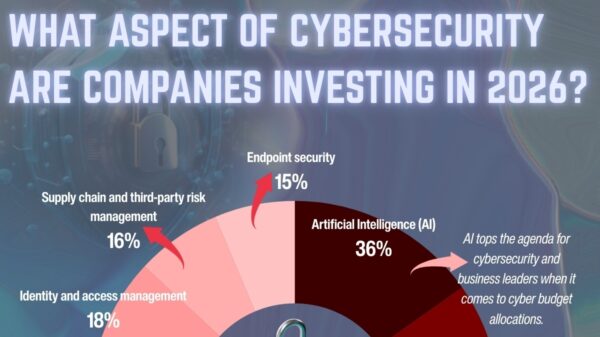
In response to these geopolitical challenges, 48 percent of CEOs in CEE plan to strengthen enterprise-wide cybersecurity measures. Innovation remains a strategic priority, with 41 percent of CEOs indicating its centrality to their plans. Nonetheless, fewer than one in five consistently engage in critical innovation practices such as risk tolerance, terminating underperforming initiatives, or establishing innovation hubs.
Despite these hurdles, nearly half (49 percent) of CEOs in CEE report they have ventured into new sectors over the past five years, surpassing the global average of 42 percent. Out of those diversifying, 61 percent indicate that these new sectors contribute 10-50 percent of their revenue. This trend reflects how technology and geopolitics are reshaping value creation, with many companies in CEE discovering new avenues for growth.
CEOs in the region are dedicating about 57 percent of their time to priorities with horizons of less than one year, compared to 47 percent globally. Only 11 percent of their time is spent on decisions with a five-year outlook. This strong focus on the short term constrains the long-term reinvention necessary for sustainable growth and competitiveness.
“Globally, growth is one of the biggest challenges for CEOs,” states Adam Krasoń, CEO of PwC CEE. “This includes a search for new markets, new business models, and new ways to deploy technology. It’s good to see that CEOs in our region are feeling more confident than their global counterparts about revenue growth in 2026. They’ve shown resilience amid challenges like geopolitical instability, cyber threats, and tariffs. These pressures push businesses to focus on immediate needs, balancing urgent priorities with longer-term investments, including technology.”
Agnieszka Gajewska, Partner, CEE Clients and Markets Leader and Global Government and Public Services Leader, adds, “My first thought from this year’s survey: the need for reinvention remains urgent. Most CEOs in our region spend over half of their time on short-term activities. There’s a clear requirement for bold, long-term vision. This means accelerating digital transformation, strengthening AI capabilities, and embedding resilience into business models. This is what turns cautious optimism today into lasting growth tomorrow.”
The findings of the survey underscore the critical need for CEE CEOs to balance immediate priorities with essential long-term investments in order to navigate the evolving landscape effectively. As they embrace new sectors and technologies, the challenge will be to ensure that short-term resilience translates into sustainable growth.
See also ByteDance Invests Billions in AI Infrastructure, Launches Doubao with 100M Users Amid Global Challenges
 US Military Utilizes Anthropic’s Claude AI in Maduro Capture Operation
 AI Empowers Leaders to Close the Strategy-Execution Gap and Enhance Decision-Making
 SAG-AFTRA and MPA Slam ByteDance’s Seedance 2.0 for Massive Copyright Violations
 Sophie Rain Collaborates with Grok AI to Create Casual Outfit Transformation