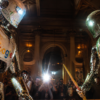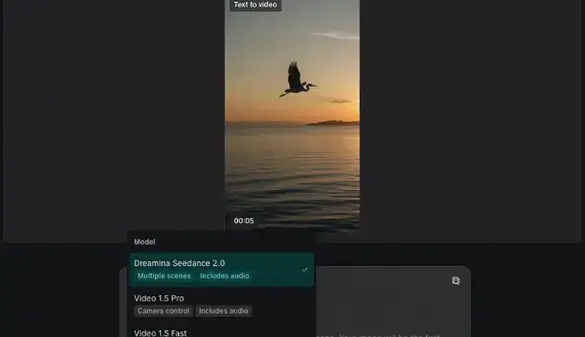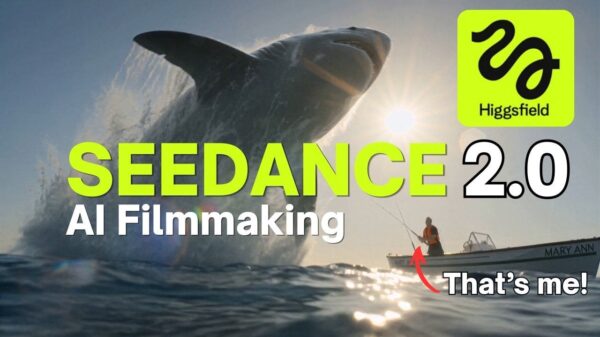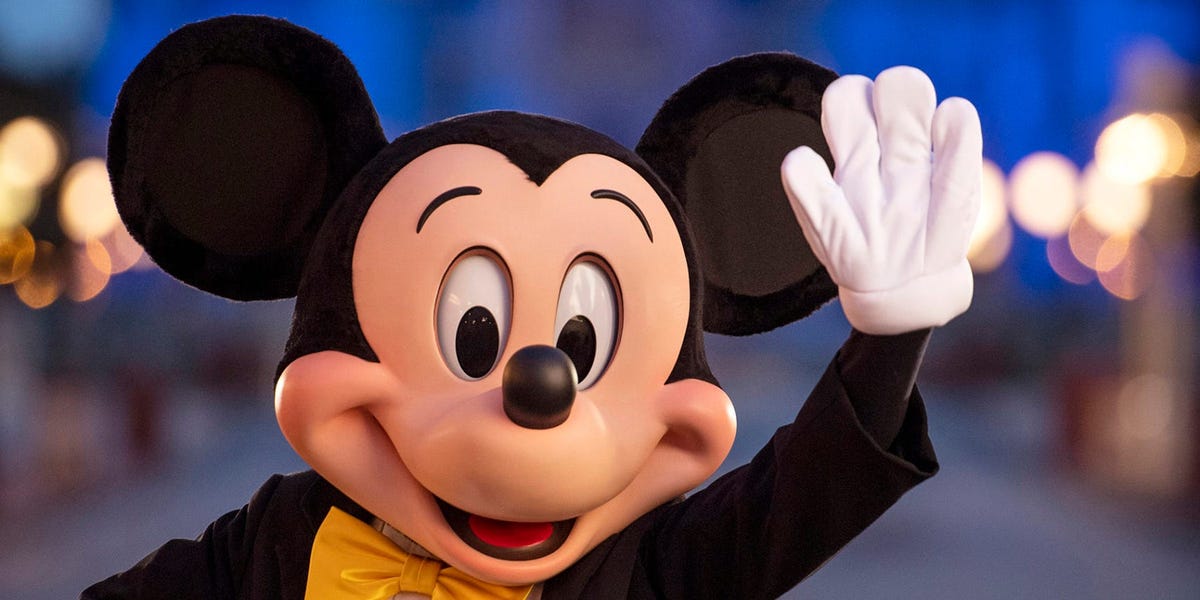
Disney has taken legal action against ByteDance over its newly launched AI video generation model, Seedance 2.0, which allegedly enables users to create content featuring Disney’s intellectual property without permission. The offensive began when an AI-generated clip depicting a fictional fight between Marvel’s Wolverine and Thanos circulated widely on social media, garnering over 142,000 views within 48 hours. The video, however, was not an official Disney release. ByteDance’s Seedance model has allowed users to produce hyperrealistic videos, including one featuring actors Tom Cruise and Brad Pitt.
The controversy stems from Disney’s longstanding policy to rigorously protect its intellectual property. In a cease-and-desist letter sent on Friday, Disney accused ByteDance of utilizing a “pirated library” of its characters from franchises like Star Wars and Marvel, treating them as if they were free for public use. The letter stated, “Over Disney’s well-publicized objections, ByteDance is hijacking Disney’s characters by reproducing, distributing, and creating derivative works featuring those characters.” This legal battle marks the latest chapter in an ongoing struggle between the entertainment conglomerate and various AI technologies it believes infringe on its copyrights.
Disney’s contention with ByteDance is not an isolated incident. Last June, the company, along with NBCUniversal, filed a lawsuit against Midjourney, an AI image generator, likening its technology to “a virtual vending machine” that produces unauthorized copies of Disney’s and Universal’s copyrighted works. Similarly, Disney issued a cease-and-desist letter to Character.AI in September for alleged copyright infringement, and in December, the company targeted Google for its AI image generator Nano Banana Pro, accusing it of large-scale IP theft. Both Midjourney and Character.AI have since removed Disney characters from their platforms.
However, Disney’s approach to AI is not entirely adversarial. In September, when OpenAI launched Sora 2, an AI-powered text-to-video platform, users began sharing content featuring Disney characters on social media. Instead of resorting to legal threats, Disney opted for a more collaborative approach, ultimately negotiating a licensing agreement. By December, Disney and OpenAI announced a three-year deal that permits Sora users to access 200 Disney characters under certain conditions, alongside Disney’s investment of $1 billion in OpenAI.
Despite the legal challenges posed by Seedance 2.0 and other AI technologies, Disney CEO Bob Iger has indicated that the company does not view AI as a threat. In an earnings call last year, Iger expressed optimism about AI’s potential to enhance user engagement, particularly for Disney+. He stated that AI could facilitate a more interactive experience, allowing users to create and share their own short-form content featuring Disney characters.
As the rapid evolution of AI technologies continues to challenge traditional intellectual property norms, Disney’s dual strategy of pursuing legal action against infringers while also embracing partnerships may reflect a broader trend in the entertainment and tech industries. The outcome of this latest legal battle with ByteDance may set important precedents for how content creators and AI developers navigate the complex landscape of copyright and creative expression in the digital age.
See also Barclays Upgrades Pegasystems Amid Cloud AI Momentum and $1B Buyback Expansion
 US Shares Drop 1.4% Amid AI Concerns; Australian Profits Rise 2.4% as Market Rotates
 Bill Gates Arrives in Amravati for AI India Impact Summit, Aiming for Strategic Partnerships
 Electric Twin Raises $14M to Transform Market Research with AI-Driven Synthetic Audiences
 Allegro MicroSystems Launches ACS37017 Sensor, Strengthening Power Electronics for AI and EV Markets