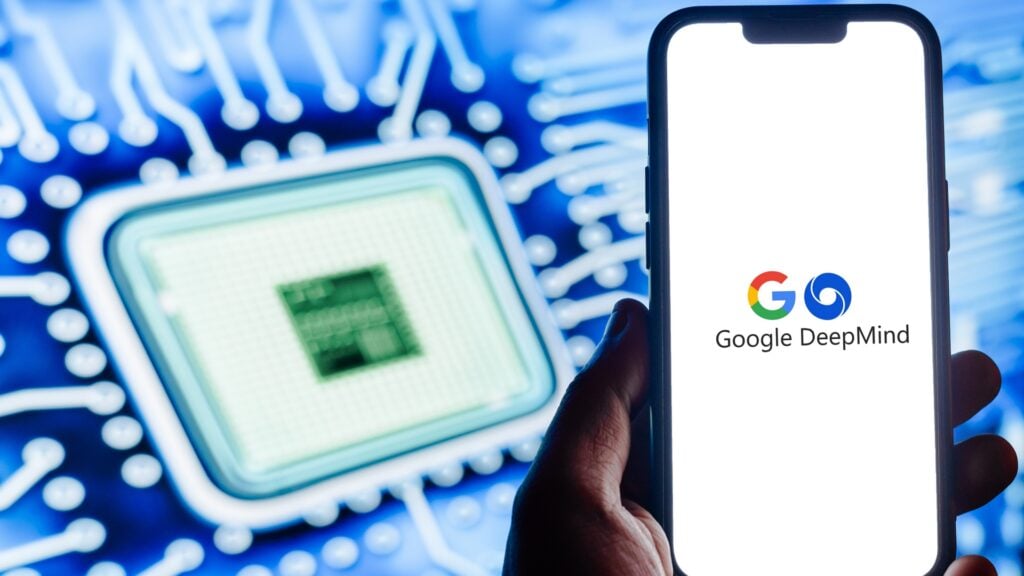
Alphabet Inc. (NASDAQ:GOOGL) (NASDAQ:GOOG) subsidiary Google DeepMind CEO Demis Hassabis has asserted that artificial intelligence could usher in a “new golden era of discovery” within the next decade, signaling transformative changes in medicine, energy, and space exploration. Speaking during the Fortune 500: Titans and Disruptors of Industry podcast on Wednesday, Hassabis emphasized that humanity stands on the brink of a period characterized by “radical abundance” fueled by AI advancements.
“In 10, 15 years’ time, we’ll be in a kind of new golden era of discovery that [is] a kind of new renaissance,” he stated, highlighting the potential of AI to revolutionize healthcare by enabling personalized treatments and cures for significant diseases. His remarks underscore a growing belief in the capacity of AI to solve complex problems that have long challenged scientists and researchers.
However, Hassabis recognized the challenges that lie ahead, characterizing the forthcoming decade as a “classic innovator’s dilemma” for Google. He noted, “If we don’t disrupt ourselves, someone else will,” a philosophy that guided the 2023 merger of Google Brain and DeepMind. This unification aims to create a robust research entity focused on training advanced AI models, including Gemini and Nano Banana.
Hassabis cited DeepMind’s breakthrough with AlphaFold, which addressed the long-standing protein folding problem, as a testament to AI’s scientific potential. He is now leveraging this technology at Isomorphic Labs to expedite drug discovery processes, with aspirations of making them “1,000 times more efficient” and enhancing preclinical cancer trials.
Earlier, the CEO noted that AI’s influence is beginning to reshape hiring practices, particularly impacting internships and entry-level positions. Although there is currently no evidence of widespread job losses, companies are reportedly slowing junior hiring as AI automates routine tasks. Hassabis encouraged students to develop proficiency with AI tools, suggesting that practical skills might soon surpass traditional internships in importance within an AI-driven job market.
Despite the potential of AI, he issued a cautionary note regarding the current investment landscape. He warned that heavy funding directed at early-stage AI startups with limited revenue raises concerns that segments of the market could be experiencing a bubble. While he acknowledged that AI hype may be overstated in the short term, he argued that it remains undervalued over the long term.
Hassabis’s comments reflect a broader industry sentiment that views AI not merely as a tool but as a transformative force capable of redefining the boundaries of scientific exploration and innovation. As companies like Google continue to invest in AI research and development, the implications for various sectors could be profound, potentially leading to breakthroughs that redefine not just technology, but human understanding itself.
See also Alphabet and Amazon Accelerate AI Capex Race to Build Sovereign Data Centers Amid Global Demand
 IBM Outpaces Intel in AI Investment Potential as 2026 Forecasts Favor Stability and Growth
 FTC Intensifies Probe into Microsoft’s Cloud and AI Practices Amid Monopoly Concerns
 Salesforce (CRM) Boosts Growth Outlook with $5.6B U.S. Army Deal Amid AI Adoption Surge
 Modi Launches India AI Impact Summit 2026, Anticipates 35,000 Global Delegates