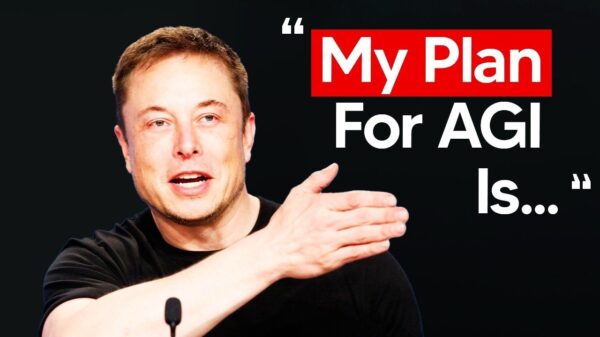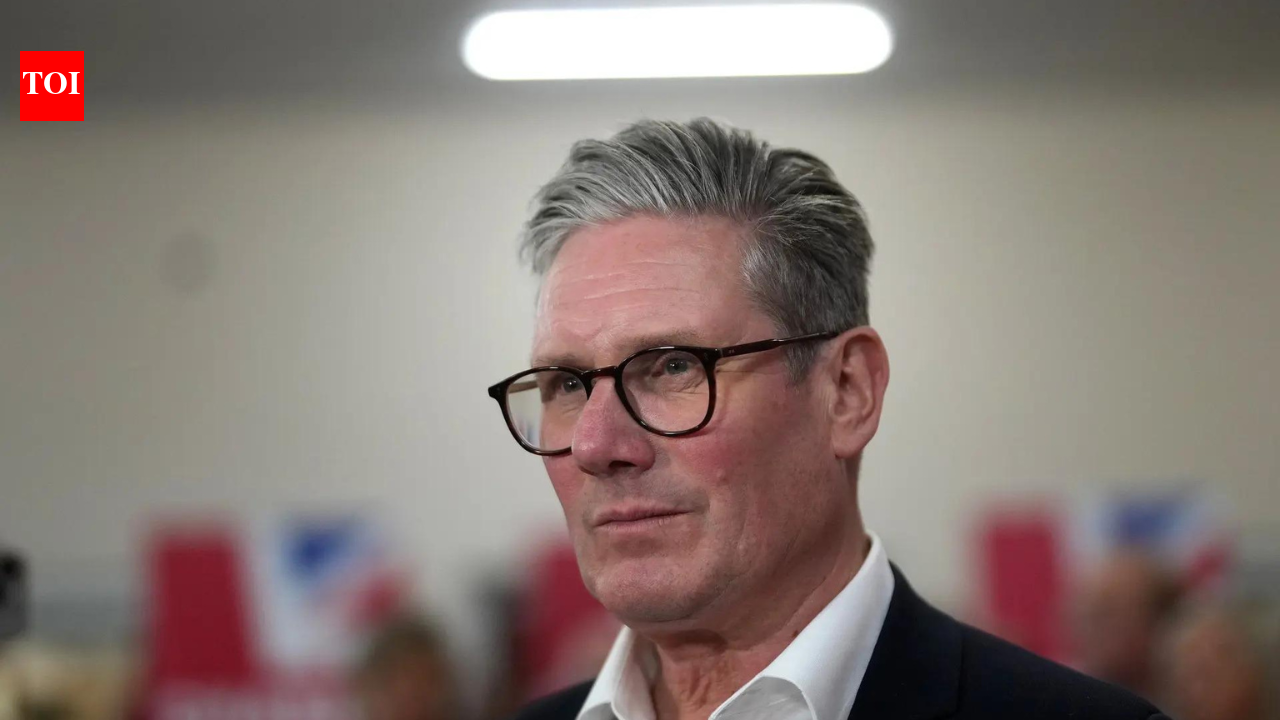
The UK government announced on Monday that it will amend its online safety laws to include AI chatbots, a move prompted by recent controversies surrounding the use of such technology for harmful purposes. Prime Minister Keir Starmer highlighted the necessity of closing a legal loophole exposed following the deployment of Elon Musk‘s AI chatbot, Grok, which was reportedly used to create sexualized deepfakes. This new directive mandates that chatbot providers must take responsibility for preventing their systems from generating illegal or harmful content, thereby extending regulations that currently apply only to user-shared content on social media platforms.
“The government will move to shut a legal loophole and force all AI chatbot providers to abide by illegal content duties in the Online Safety Act or face the consequences of breaking the law,” Starmer stated. The Online Safety Act, which came into effect in July, requires platforms that host potentially harmful content to implement stringent age verification measures, including facial recognition technology or credit card checks. Under the Act, creating non-consensual intimate images or child sexual abuse material, including AI-generated sexual deepfakes, is strictly prohibited.
The urgency of this measure is underscored by an ongoing investigation launched in January by the UK’s media regulator, Ofcom, into the social media platform X, which hosts Grok. Ofcom’s inquiry is focused on whether X has failed to meet its safety obligations, particularly in light of the current gap in regulatory frameworks for AI chatbots. The regulator has pointed out that not all AI chatbots are covered by existing laws, especially those that allow interactions solely between the user and the chatbot.
“Tech moves on so fast that the legislation struggles to keep up, which is why, for AI bots, we need to take necessary measures,” Starmer elaborated, emphasizing the proactive stance the government intends to take regarding evolving technology. The move reflects a broader trend among governments worldwide to tighten regulations on artificial intelligence and address newly emergent risks posed by these advanced technologies.
The implications of this regulatory shift could be significant for AI developers and companies operating in the UK. By obligating AI chatbot providers to develop mechanisms that prevent the generation of harmful content, the government is setting a precedent that could influence global standards on AI safety and ethical considerations. As technology continues to advance at a rapid pace, the need for clear and enforceable regulations becomes increasingly crucial.
In the context of increasing scrutiny over AI technologies, this decision might also spur further investigations and regulatory actions in other jurisdictions. As lawmakers grapple with the complex intersection of innovation and safety, the UK’s approach may serve as a model for other countries facing similar challenges. The focus on accountability and safety in the realm of AI not only aims to protect users but also seeks to foster responsible innovation in a field that is transforming rapidly.
See also UK Government Announces Stricter Regulations for AI Chatbots to Protect Children
 India’s IT Minister Vaishnaw Calls for Stronger Regulation on AI Deepfakes at IndiaAI Summit
 Law Firms Revamp Bios to Enhance AI Visibility and Client Engagement
 CIOs Face AI Risk Challenges: 79% Concerned About Workforce Disruption and Governance