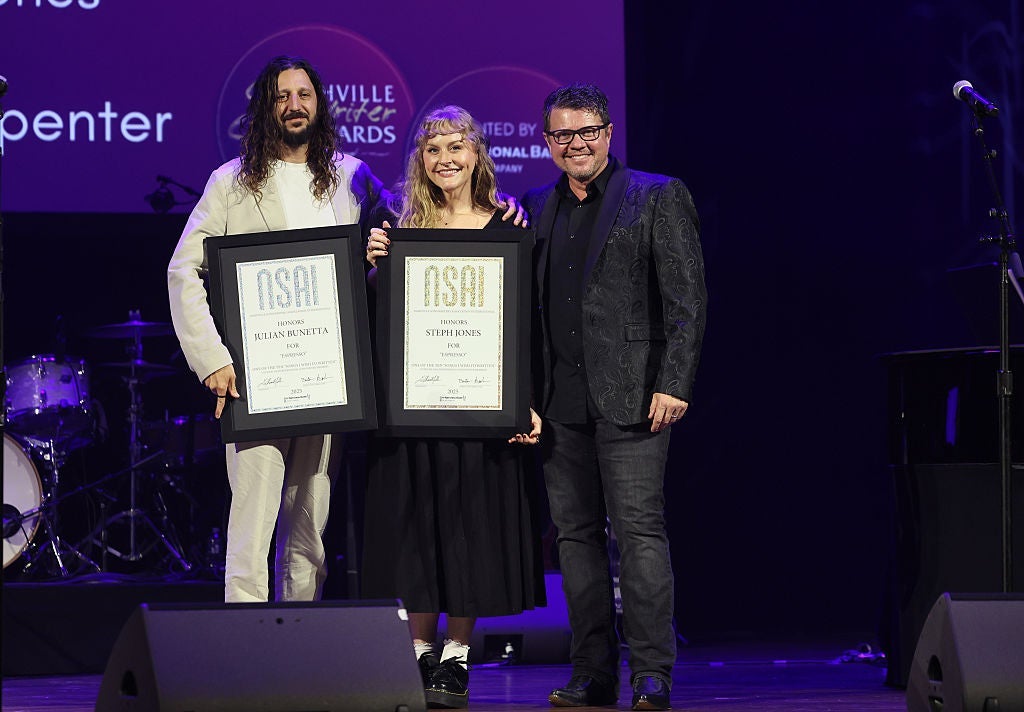
The Nashville Songwriters Association International (NSAI) has taken its concerns regarding the impact of artificial intelligence (AI) in the music industry directly to Washington, D.C., urging lawmakers to implement stricter regulations. With the rapid proliferation of AI technologies in entertainment, the NSAI emphasizes the need for clear guidelines to help distinguish between human-created and machine-generated content.
NSAI Chief Operating Officer Jennifer Turnbow highlighted the potential pitfalls of AI usage, stating, “Most of these AI tools will go through the internet and they scrape, which means they basically just gobble up any sort of content they can get from the internet, often from pirate sites. They take all that data and they break it down into little micro bits so that they can then reformulate it into outputs based on how users are asking for that.” Her comments underscore the growing anxiety among songwriters about AI’s ability to replicate and potentially undermine their work.
Songwriter Jen Schott echoed these concerns, explaining how AI’s ability to learn from existing songs complicates the landscape for creators. “Once our creations are out in the world, being scraped by AI, learned, ingested, and then new songs being created with pieces of my song as a part of it. Then we’re competing against those songs and just trying to make a living,” she remarked. The implications of AI on the economic viability of songwriting are significant, as artists fear being overshadowed by machine-generated music.
Despite these challenges, Schott acknowledged the benefits that AI can bring to songwriting. “There are some wonderful tools with building demos, ways to pitch songs, it makes those opportunities more affordable for us,” she said. AI applications can offer rapid support in creating song demos, allowing songwriters to bring their ideas to life more efficiently. However, she cautioned against overlooking the human element that is integral to the creative process. “You’re losing that magic of the studio,” Schott noted. “When I’m in the room with another songwriter or with an artist, we’re sharing our stories, we’re sharing experiences that I don’t believe something that’s not human can create.”
As AI continues to evolve, the music industry faces a critical juncture. The NSAI’s call for regulation reflects a broader concern about the implications of technology on artistic integrity and economic fairness. While AI tools offer new opportunities for efficiency and creativity, their unregulated use poses risks that could fundamentally alter the landscape for songwriters and musicians. The conversation in Washington could shape the future of both creativity and technology in the industry, ensuring that human artistry remains at the forefront as AI becomes an increasingly dominant force in music production.
See also Global Leaders Call for Urgent AI Safety Rules at India Summit with Modi, Macron, Lula
 UN’s Guterres Launches Panel to Ensure Human Control Over AI Amid Rapid Innovation
 New AI Ethics Frameworks Mandate Safeguards to Combat Deepfake Deception
 Trump’s AI Executive Order Sparks Debate Over Compliance Complexity for Startups
 Southwestern Law School Launches AI & Law Program for J.D. and LL.M. Students in 2026