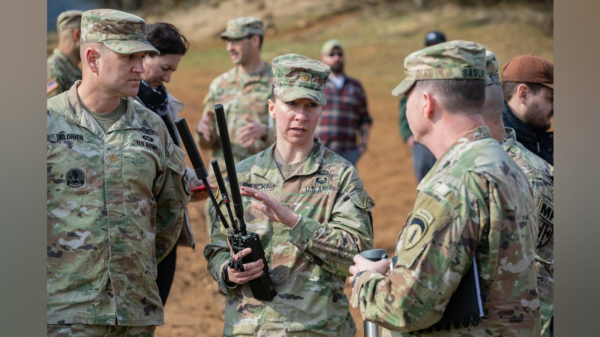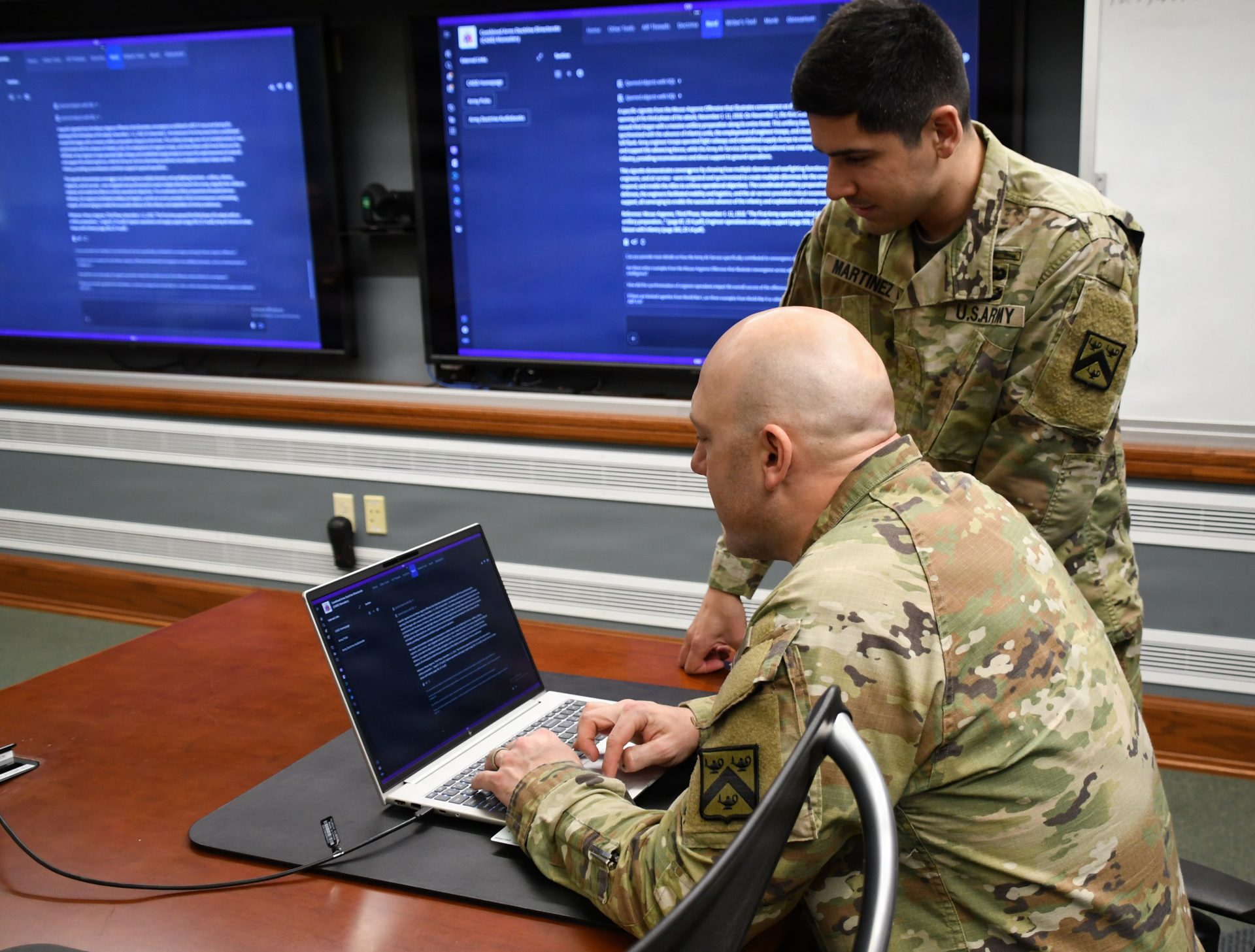
The U.S. Army is integrating artificial intelligence tools to assist in writing military doctrine, aiming to enhance efficiency and effectiveness in producing foundational guidance for soldiers. This initiative was announced on Wednesday by the Combined Arms Doctrine Directorate (CADD), the Army’s central office for doctrine creation, which is training its writers to utilize approved AI tools immediately for tasks such as idea generation.
Military officials have been increasingly deploying large language models across various operational domains, labeling this technology as transformative. However, experts have raised significant concerns regarding the risks associated with AI, particularly its potential to fabricate information or “hallucinate,” which could undermine public trust in military operations.
In its announcement, the Army acknowledged the “critical flaws” inherent in AI applications, especially the importance of accuracy in military contexts. The service pointed out instances of AI errors, such as referencing outdated manuals while assisting with doctrine tests, a mistake only identified because a knowledgeable user was overseeing the process.
Lt. Col. Scott McMahan, a military doctrine writer, likened AI tools to a “resourceful and motivated young officer” who can help streamline tasks but is not a substitute for expertise. The Army has reported minimal changes resulting from AI integration so far; however, writers have successfully utilized the technology to sift through “hundreds of texts for historical vignettes” that clarify complex doctrinal points, thereby saving time and effort.
Richard Creed, Jr., CADD Director, emphasized that the current iteration of large language models can access previously unavailable databases, marking a significant step forward in leveraging AI for military purposes. Nevertheless, the specific data sources these AI tools are utilizing remain unspecified, raising concerns about information security. Recent reports highlighted warnings from the military’s explosive ordnance disposal authority regarding the risks of uploading sensitive technical data into AI models.
The AI tools are designed to enhance not only idea generation but also grammar and readability within doctrine documents. McMahan shared an anecdote about utilizing the AI to refine concepts, noting that while only one sentence from the AI’s output was ultimately used, it proved to be highly impactful.
The Army has developed a “four-pronged strategy” to train its doctrine writers in AI capabilities, which includes embedding a “master gunner” trained in using large language models to support writers in their tasks. Creed reiterated the importance of maintaining high standards, stating, “We made it perfectly clear that AI tools were not intended to be a crutch for not doing the work we expect from our people.” He assured that every output generated by AI will undergo thorough human review to ensure accuracy, highlighting the necessity for personnel to possess a solid understanding of their subjects.
As the Army continues to explore the integration of AI into its operations, the significance of these advancements may herald a broader transformation in military practices. With ongoing developments in AI technology, the Army aims to enhance its operational effectiveness while navigating the complexities and challenges posed by the integration of such innovative tools.
See also Oklahoma House Bill 3299 Advances, Aims to Regulate Deepfake Use and AI Protections
 Nandan Nilekani Highlights AI Diffusion as Key to India’s Digital Infrastructure Success
 EFF Accepts AI-Generated Code but Requires Human-Written Documentation for Open Source Projects
 Google Launches Lyria 3 in Gemini App with New Audio Verification Features
 AI Video Quality Test: Will Smith Spaghetti Clip Reveals Key Detection Techniques