






















































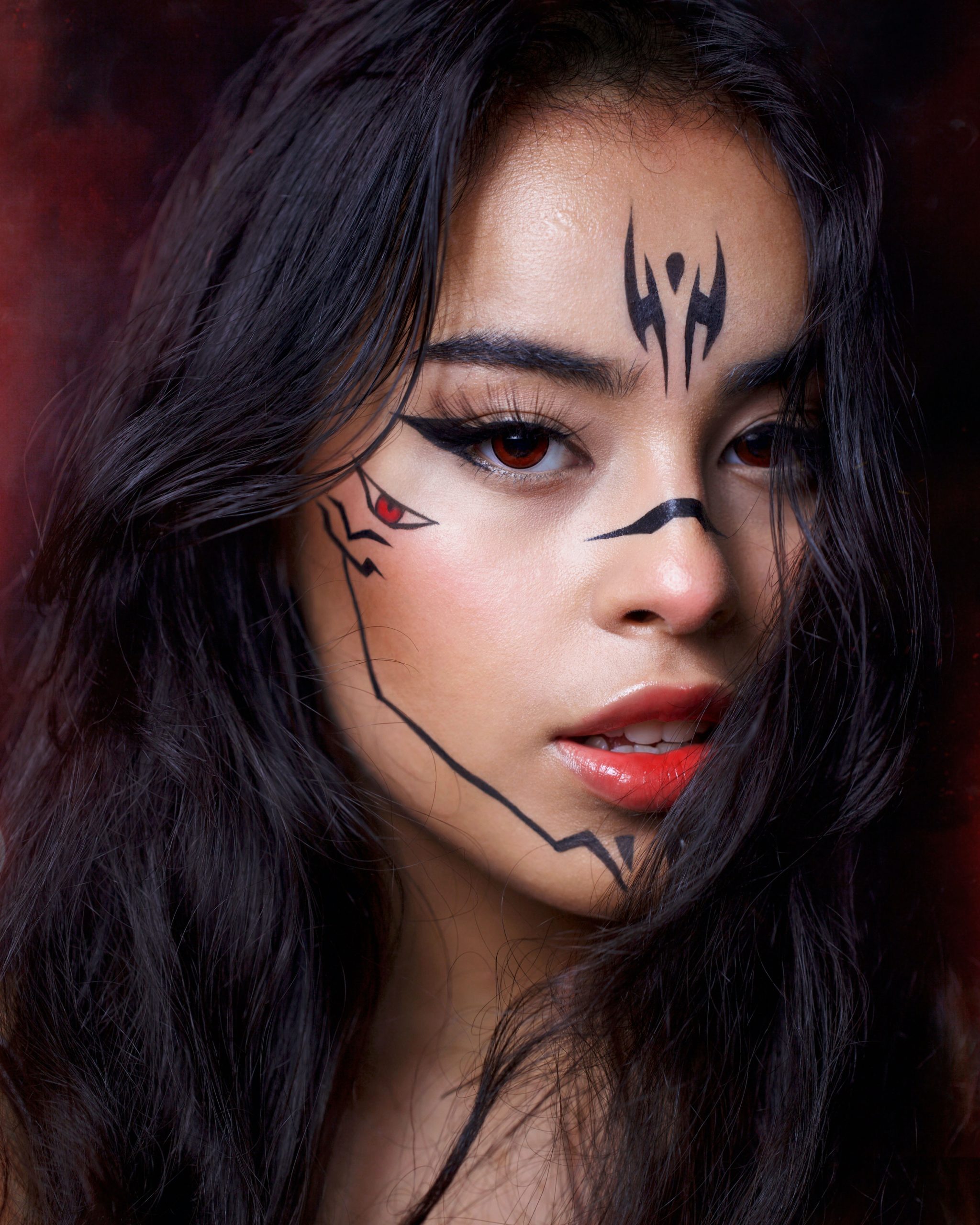
The landscape of fandom is undergoing a significant transformation, driven largely by the rise of AI-generated characters that blur the line between official narratives and fan-created content. Once clearly demarcated, the boundary separating these realms now appears almost transparent, as AI characters deliver consistent, appealing narratives at an unprecedented pace, altering the dynamics of engagement and creativity in fandom.
Historically, canon was defined strictly by studio approval, with fans celebrating official works while creating their own interpretations in the form of cosplay and fan fiction. However, the emergence of AI has altered this paradigm, allowing what some call “soft canon” to take shape based on community interactions rather than formal endorsement. Fans now develop attachments to AI-generated characters, often treating them as integral parts of the story, even though their origins may lack traditional creative legitimacy.
The influx of AI characters into fandom follows a different trajectory from traditional character development. Modern algorithms prioritize engagement and momentum over narrative fidelity, resulting in characters that resonate with audiences through familiarity, even if their backstories are undeveloped. This shift enables AI-generated personas to gain visibility rapidly, as they circulate within social media feeds and fandom discussions, often without audiences questioning their origins or the ethical implications of their creation.
As AI characters proliferate, they gain a sense of legitimacy not through established creative processes but through community validation. Fans generate reaction memes, engage in cosplay, and even craft “missing scenes” that integrate seamlessly into the character’s perceived narrative. This organic growth of community involvement fosters a feeling of shared ownership over these characters, despite the complex legal realities surrounding intellectual property rights.
The evolving fandom landscape is not merely about the introduction of new characters; it also represents a shift in how fans engage with and believe in these creations. The traditional pipeline of character development was often slow and hierarchically controlled, necessitating approvals from various stakeholders. In contrast, the new model is rapid and decentralized, emphasizing whatever captures attention, which can result in some fandom practices becoming exploitative rather than enriching, despite surface-level similarities.
In this environment, the introduction of AI-generated content raises significant ethical questions regarding originality and authorship. Many AI characters borrow heavily from established archetypes, risking the dilution of creative integrity and complicating the notion of tribute versus imitation. This is particularly concerning when AI-generated voices closely mimic those of living actors, triggering emotional associations that complicate the ethical landscape of fandom, especially when financial gains are involved.
To address these challenges, a healthier community response is necessary. This approach should focus on maintaining creative integrity while allowing for innovation. Establishing clear labeling norms can help delineate between AI-generated, AI-assisted, and human-authored content. Moreover, fostering a culture that values human contributions—such as editing and storytelling—can enhance the overall quality of fan-generated works. Setting consent-based boundaries around the representation of real individuals, coupled with community enforcement, is vital to preserving ethical standards in fandom.
As studios grapple with the rapid evolution of fandom dynamics, the tension between traditional canon and community-driven narratives is likely to persist. The speed at which AI characters can become accepted as integral parts of a fictional universe presents a challenge for content creators who seek to maintain control over their intellectual properties. This ongoing negotiation will shape the future of both official narratives and fan contributions in ways that reflect an increasingly participatory culture.
See also Anthropic Study Reveals Rising AI Agent Autonomy with 40-Minute Sessions in Coding
 Barclays Highlights Physical AI’s Growth Potential as Market Approaches Inflection Point
 Mistral AI and Ericsson Partner to Revolutionize Telecom with Advanced AI Solutions
 Cohere Co-Founder Nick Frosst Advocates for Stronger Canadian AI Amid Rapid Growth
 Big Tech Commits $260B in AI Investments at India’s AI Impact Summit 2026















