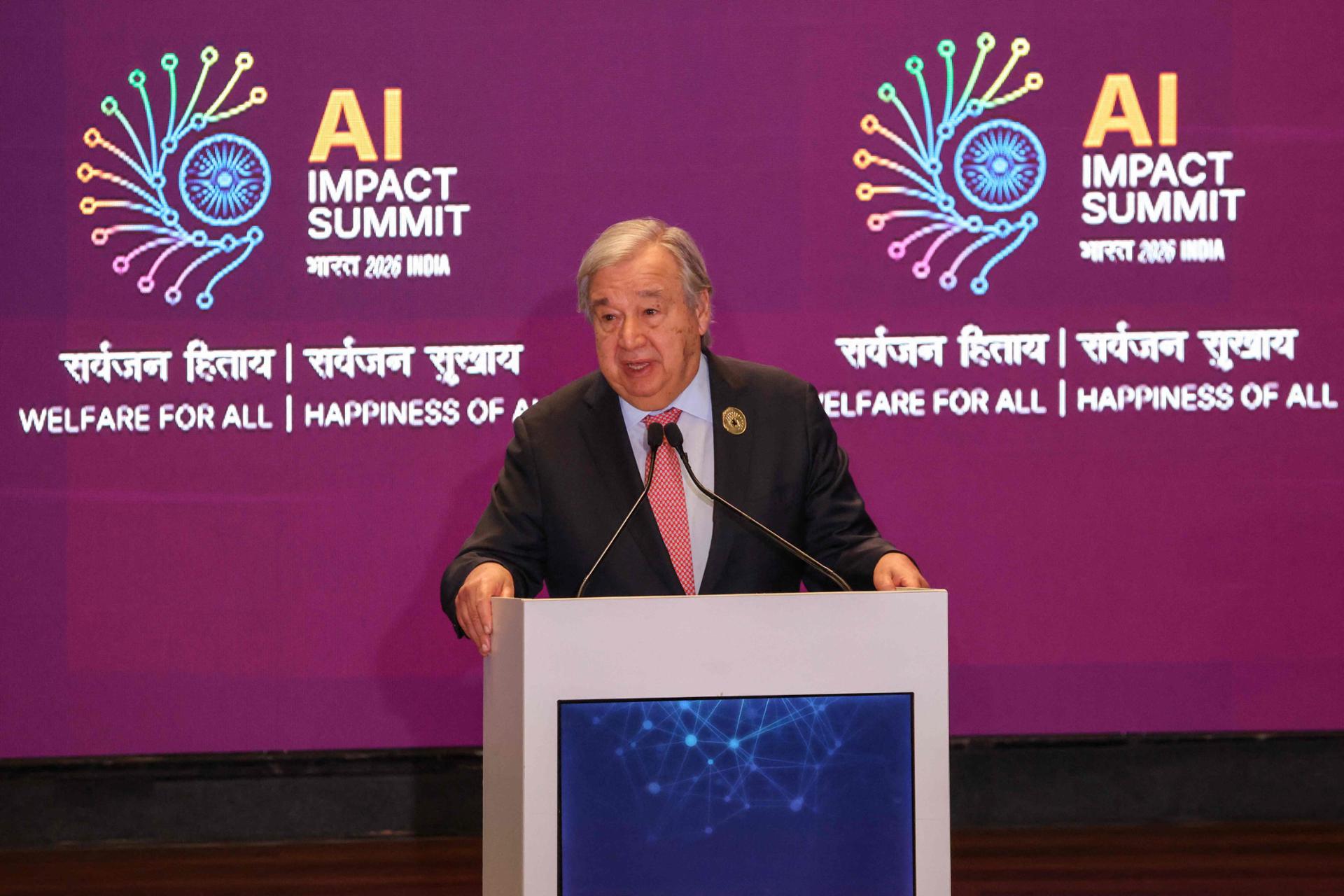
NEW DELHI — UN Secretary-General Antonio Guterres emphasized the need for “less hype, less fear” regarding artificial intelligence (AI) during his address at the AI Impact Summit on February 19. He introduced a new expert panel, the Independent International Scientific Panel on Artificial Intelligence, tasked with ensuring that “human control” over AI becomes a technical reality rather than just a slogan.
Confirmed by the United Nations General Assembly with 40 members, the panel aims to provide scientific governance for AI similar to the role of the UN’s Intergovernmental Panel on Climate Change (IPCC) in addressing global warming. Guterres stated that “science-led governance is not a brake on progress” but can make technological advancements “safer, fairer, and more widely shared.” He urged for a shift towards evidence-based discussions on AI, urging global leaders to focus on facts rather than fear.
The advisory body was established in August and is expected to release its first report in July, coinciding with the UN Global Dialogue on AI Governance. This initiative seeks to assist governments in regulating AI amid growing concerns over issues such as job displacement, misinformation, and online abuse, which are increasingly associated with the rapid evolution of AI technology.
“AI innovation is moving at the speed of light — outpacing our collective ability to fully understand it — let alone govern it,” Guterres remarked. He acknowledged the urgency of comprehending AI capabilities and limitations to transition from rudimentary measures to more sophisticated, risk-based regulations. “When we understand what systems can do — and what they cannot — we can move from rough measures to smarter, risk-based guardrails,” he added.
The Secretary-General recently proposed a list of experts to join the panel, including journalist and Nobel Peace Prize laureate Maria Ressa from the Philippines and Canadian AI pioneer Yoshua Bengio. Guterres underscored the necessity of establishing clear accountability within AI systems, stating that responsibility should never be “outsourced to an algorithm.”
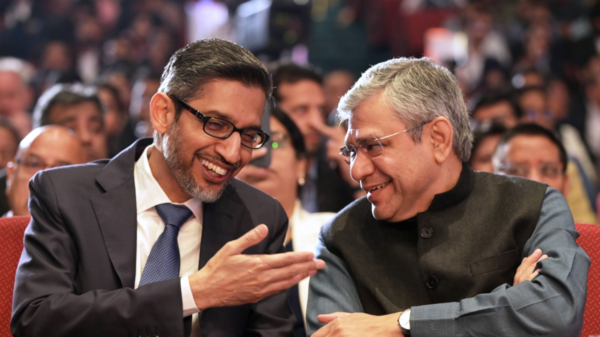
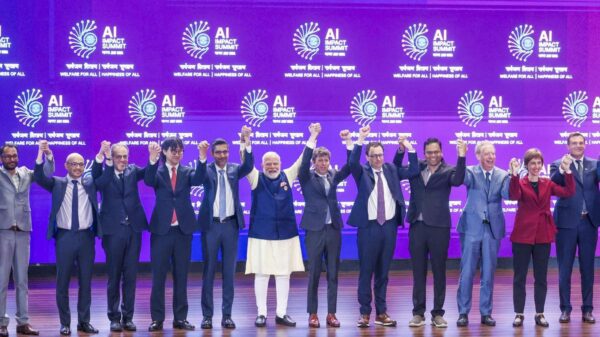
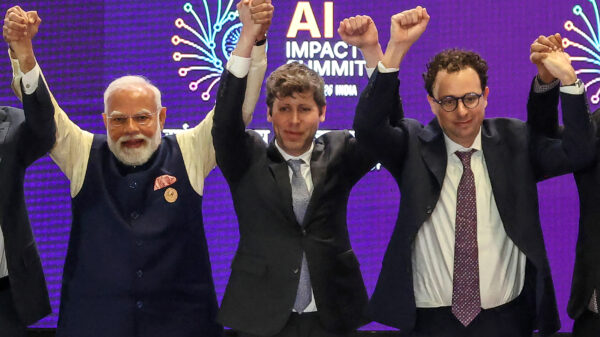
The summit, which has drawn participation from numerous world leaders and ministers, is set to conclude with a collective statement on how nations should navigate the complexities of AI. As discussions wrap up, the focus remains on charting a responsible path forward in managing a technology that continues to evolve at an unprecedented pace.
With AI’s rapid integration into various sectors, the implications on society and governance are profound. The establishment of the Independent International Scientific Panel represents a pivotal step toward addressing the challenges and opportunities presented by AI, aiming to foster a balanced approach to technological advancement. The outcomes of the summit and the forthcoming report from the panel could significantly shape international policies on AI governance, ensuring that human oversight remains central to its development.
See also New AI Ethics Frameworks Mandate Safeguards to Combat Deepfake Deception
 Trump’s AI Executive Order Sparks Debate Over Compliance Complexity for Startups
 Southwestern Law School Launches AI & Law Program for J.D. and LL.M. Students in 2026
 Enterprise AI Governance: 7 C’s Framework Ensures Ethical and Compliant AI Use