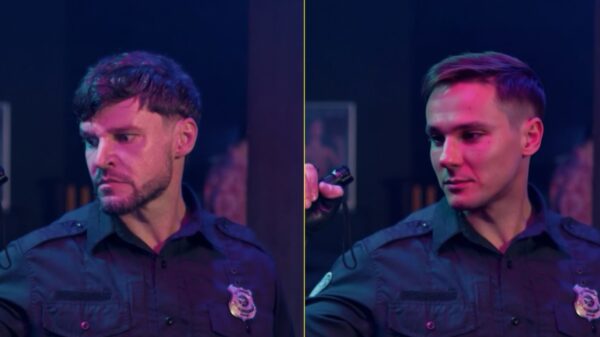
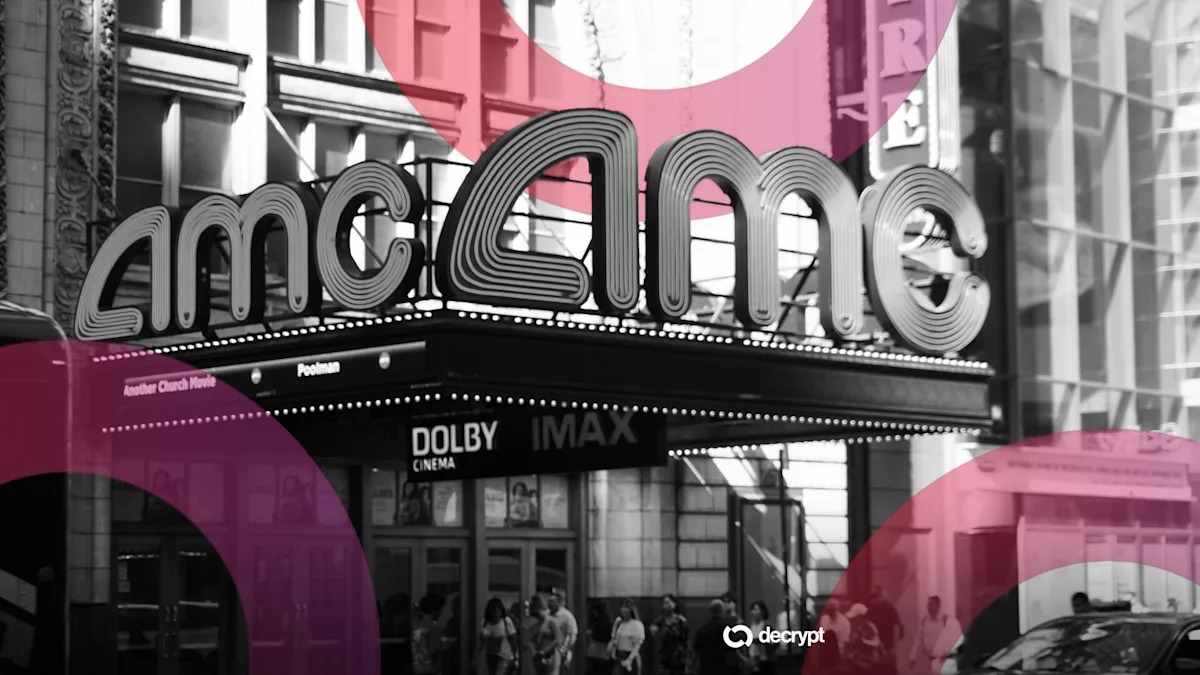
AMC Theatres has decided not to screen an AI-generated short film, “Thanksgiving Day,” amid ongoing discussions regarding the integration of generative AI in the film industry. The nation’s largest theatrical exhibitor announced its withdrawal from the planned showing of the film, which recently won at the inaugural Frame Forward AI Animated Film Festival and was set for a two-week run in U.S. cinemas through advertising distributor Screenvision Media, according to The Hollywood Reporter.
While “Thanksgiving Day” was not part of AMC’s main program, it was intended to be featured in pre-show advertising supplied by Screenvision, a content provider for AMC and other cinema chains. In a statement to THR, AMC clarified that it “was not involved in the creation of the content or the initiative and has informed Screenvision that AMC locations will not participate.”
Created by Kazakhstani filmmaker Igor Alferov, “Thanksgiving Day” follows an intergalactic journey involving a bear and his platypus assistant aboard a dumpster-shaped spacecraft. Alferov employed AI tools such as Gemini 3.1 and Nana Banana Pro, utilizing a keyframing method and anchor frames to guide motion while incorporating post-processing in Topaz Video AI, as detailed on the Frame Forward website.
Alferov expressed his perspective on AI in a statement, saying, “For me, AI is not a replacement for creativity, but a powerful ‘exoskeleton’ for the imagination, enabling a single person to build entire worlds.” The festival’s jury comprised industry figures like David Dinerstein, Richard Gladstein, and Julina Tatlock.
Joel Roodman, President & Head of Studio at the festival’s organizer, MUS immersive, noted in a statement to THR that “the traditional theatrical chains are vital to our cohesion as a society and are duly cautious.” He acknowledged their prudence but emphasized the importance of fostering new films and filmmakers, stating that MUS immersive aims to bring content to “our developing network of venues,” starting in New York.
The decision by AMC comes amid a broader shift in the entertainment industry’s discourse on AI, moving from rhetoric to tangible actions. In December, the Creators Coalition on AI, co-founded by actor Joseph Gordon-Levitt and supported by over 500 signatories, including Natalie Portman and Guillermo del Toro, was established to advocate for enforceable rules on AI training and deployment within the industry.
The actors’ union SAG-AFTRA has also voiced its concerns about AI, denouncing AI-generated “actress” Tilly Norwood as a “threat to human entertainers.” The organization warned producers against utilizing synthetic performers without adhering to contractual obligations. In a recent discussion at a town hall hosted by Variety and CNN at the University of Texas at Austin, Academy Award-winning actor Matthew McConaughey highlighted the urgency of addressing AI advancements.
“It’s coming. It’s already here. Don’t deny it,” McConaughey stated, urging industry professionals to take proactive measures. He added, “It’s not going to be enough to sit on the sidelines and make the moral plea that, ‘No, this is wrong.’ There’s too much money to be made, and it’s too productive.” He encouraged individuals to “Own yourself. Voice, likeness, et cetera. Trademark it. Whatever you gotta do, so when it comes, no one can steal you.”
McConaughey has also taken steps to protect his intellectual property, recently securing eight federal trademarks, including a sound mark for his well-known catchphrase, “Alright, alright, alright.” This strategic move aims to prevent unauthorized AI replication of his voice and likeness. Furthermore, McConaughey is an investor in ElevenLabs, an AI voice company, which he collaborated with last November to create Spanish-language versions of his “Lyrics of Livin'” newsletter using AI-generated renditions of his voice.
As the film industry grapples with the implications of AI, AMC’s stance underscores the cautious approach many traditional exhibitors are taking in response to rapidly evolving technologies that threaten to redefine the creative landscape. The broader implications of these technological advancements continue to unfold, prompting ongoing dialogue and potential regulatory considerations in the entertainment sector.
See also Complete SEO Expands Managed SEO Services with Proprietary AI Tools for B2B Growth
 Threads Launches ‘Dear Algo’ Tool for Real-Time Feed Personalization and Engagement
 RocketReach Launches AI Tool ‘Sequences’ for Enhanced Email Prospecting Automation
 AI Product Photography Revolutionizes Visual Marketing: Boosts Speed by 80% and Cuts Costs