






















































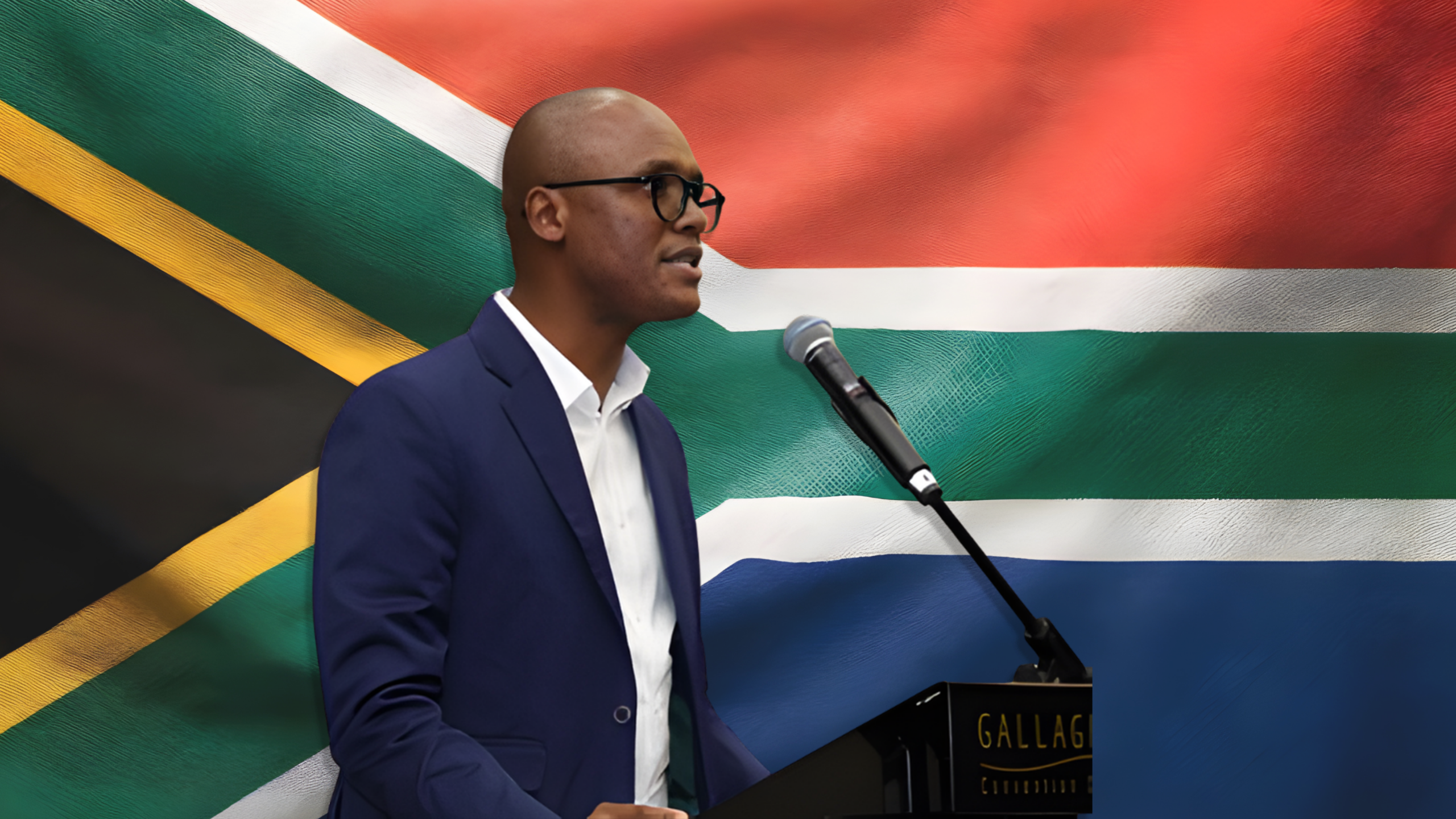
The South African Cabinet has approved the Draft Artificial Intelligence (AI) Policy for public comment, signaling a significant step towards formalizing the nation’s governance of AI technology. This announcement was made late last week, with implementation expected in the 2027/28 financial year. The policy aims to distribute the benefits and risks associated with AI evenly across different societal segments and generations.
According to a statement from the government, the initiative is designed to enhance the government’s ability to regulate AI responsibly while promoting local innovation and job creation. The Department of Communications and Digital Technologies (DCDT) envisions outcomes such as improved public service delivery, greater digital economic participation, and better quality of life for citizens.
The policy is structured around six core pillars: capacity and talent development, AI for inclusive growth and job creation, responsible governance, ethical and inclusive AI, cultural preservation and international integration, and human-centered deployment. Legal firm Baker McKenzie noted that the policy’s entry into the Cabinet approval process marks “a decisive shift from high-level principles to concrete regulatory development.”
This development follows a Parliamentary presentation in February, where the DCDT indicated that the draft policy was progressing through the Cabinet approval stages and would soon be available for public comment. Regulations and guidelines are slated for development alongside the national policy’s implementation in 2027/28.
The journey to a comprehensive AI policy began with the release of a Draft National AI Plan discussion document in April 2024, followed by the publication of a national framework that August. Communications and Digital Technologies Minister Solly Malatsi expressed optimism in an interview last October, stating that South Africa was nearing the finalization of its national AI policy.
Cabinet indicated that a phased approach would be necessary, considering how AI deployment and associated risks vary across sectors. The DCDT’s presentation mentioned that this rollout schedule would include developing national ethical guidelines and standards, aligning with existing data protection and cybersecurity frameworks, and collaborating with industry, academia, and civil society.
According to Baker McKenzie, the multi-regulator model proposed for AI governance emphasizes a coordinated oversight approach rather than the establishment of a single AI regulatory body. This model recognizes that different sectors face distinct ethical and safety considerations. For instance, the use of AI in healthcare carries unique challenges compared to applications in finance, telecommunications, or public administration.
Kabelo Dlothi, co-head of Corporate & Commercial at legal firm CMS, noted that the absence of a standalone statutory framework regulating AI means that existing legislation generally governs the processing and monitoring of data. This includes acts such as the Protection of Personal Information Act and the Consumer Protection Act, among others. Furthermore, the Cybercrimes Act outlines procedures relevant to digital assets, which indirectly impacts the application of AI in South Africa’s telecommunications sector.
Legal experts from PH Attorneys remarked that the new policy will lay the groundwork for future AI legislation, potentially leading to a National AI Act that will guide lawmakers on AI governance in the country. A candidate legal practitioner at the firm, Wisani Maluleke, emphasized that AI regulation in South Africa is evolving, as the government seeks to balance innovation with ethical considerations.
The introduction of the Draft AI Policy marks an important phase in South Africa’s approach to technology regulation, reflecting a growing recognition of the need for responsible AI deployment. As the public comment period unfolds, stakeholders across various sectors will have the opportunity to contribute to shaping the future landscape of AI governance in the country.
See also Oracle Launches Secure AI Platform for U.S. Government, Targets $553B Backlog
 OpenAI Proposes Robot Tax and Public Wealth Funds to Address AI Economy Shifts
 Naver Cloud Launches OpenClo AI Agents as South Korea Fosters New Tech Ecosystem
 Premier League Critiques UK Government’s AI Copyright Reforms Amid £12B Media Rights Concerns






