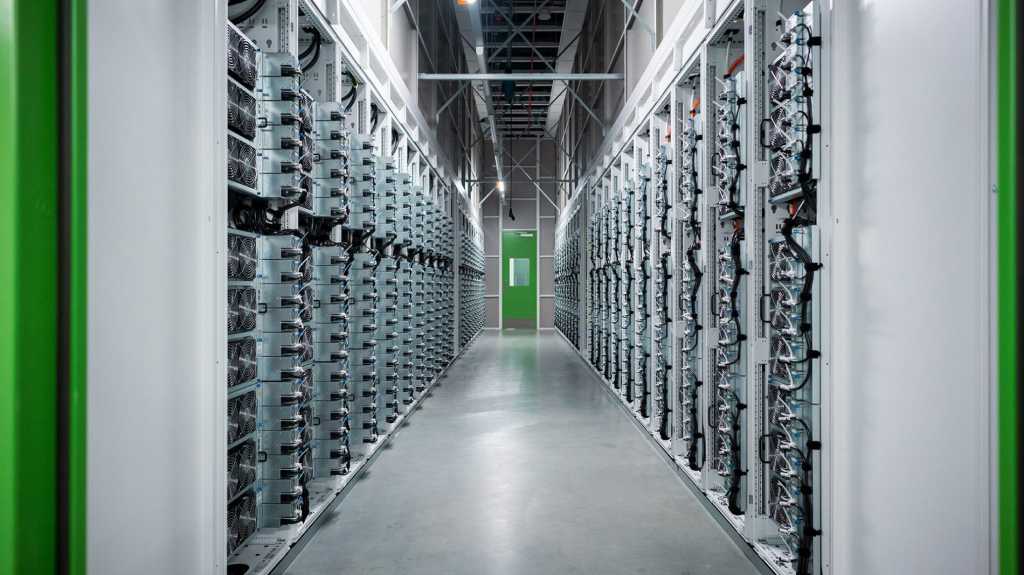
Microsoft is facing a significant challenge following the recent departures of key executives involved in its artificial intelligence (AI) data center initiatives. Analysts highlight that this comes at a critical time as the company races against competitors like OpenAI and Google, which are intensifying pressure on infrastructure and resource demands.
Neil Shah, partner and co-founder at Counterpoint Research, noted that the loss of these professionals could hinder Microsoft’s progress. “Losing some of the best professionals working on this challenge could set Microsoft back,” he said. The complexities surrounding the energy requirements for AI workloads are becoming increasingly apparent, and any strategic differences may have influenced the executives’ decisions to leave, particularly in pursuit of potentially more lucrative opportunities at a firm like Nvidia.
Despite these setbacks, Microsoft retains substantial resources and an extensive ecosystem to push forward with its AI data center ambitions. Prabhu Ram, VP for industry research at Cybermedia Research, emphasized that the company is well-positioned to continue its investment in this area.
The departures occur as Microsoft strives to accelerate its AI infrastructure amid growing physical constraints. “The executives who have left were central to GPU cluster design, data center engineering, energy procurement, and the experimental power and cooling approaches Microsoft has been pursuing to support dense AI workloads,” said Sanchit Vir Gogia, chief analyst at Greyhound Research. He highlighted that the exits align with Microsoft’s acknowledgment of existing pressures, where the rapid influx of GPUs is outpacing the company’s ability to energize the facilities required to house them. “Power availability has overtaken chip availability as the real bottleneck,” Gogia added.
As the demand for AI capabilities surges, the competitive landscape intensifies with firms like Nvidia pushing the boundaries of technology and efficiency. Microsoft’s ability to adapt and innovate in this environment will be crucial. The company has shown resilience in the face of challenges, but navigating the complexities of AI infrastructure requires not only strategic foresight but also the right talent.
The ongoing evolution in AI technology and data center architecture will continue to test Microsoft’s operational capabilities. The company’s next steps will be pivotal as it seeks to maintain its position in a rapidly changing market. With the groundwork laid by the departing executives, the challenge remains for Microsoft to attract new talent and sustain its momentum in the AI race.
In this fast-paced sector, the implications of these departures extend beyond immediate operational concerns, impacting Microsoft’s long-term strategy and innovation trajectory in the AI domain.
See also Amazon Warns Customers of Rise in AI-Powered Account Scams Targeting Personal Data
 UN Unveils Comprehensive AI Governance Framework to Enhance Global Cooperation and Human Rights
 Dan Ives Declares Microsoft a ‘Table-Pounder’ Amid AI Growth, Highlights Alphabet’s 70% Surge
 World Leaders Establish Groundbreaking Global AI Regulation Pact for Safety Standards
 DeepSeek Produces 27% Insecure Code on CCP-Sensitive Prompts, Says CrowdStrike Report