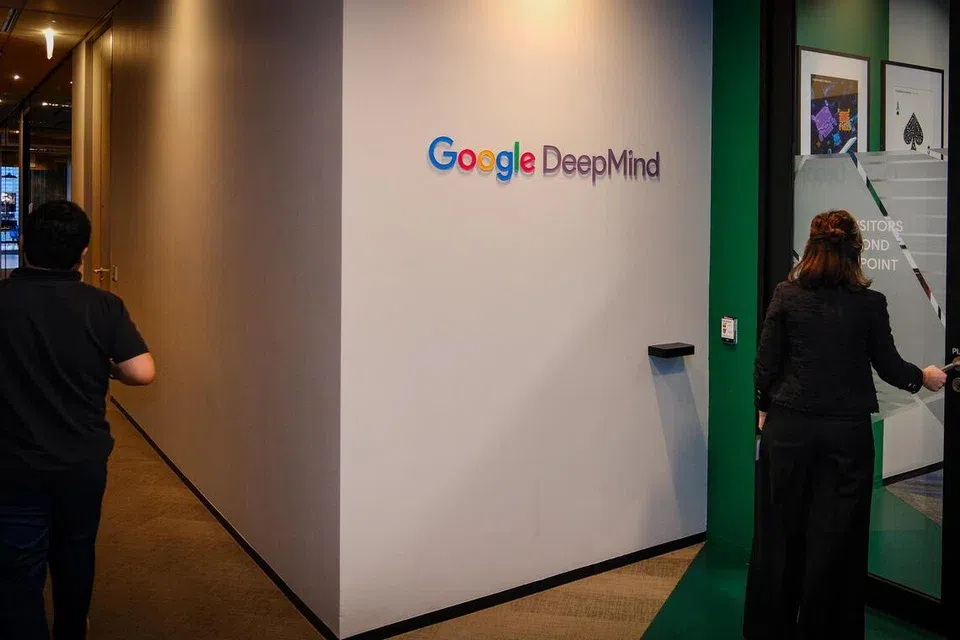
Google DeepMind has launched a new artificial intelligence (AI) research lab in Singapore, aimed at enhancing its AI models’ understanding of regional languages and cultural nuances. The establishment of this lab is part of a broader strategy to bolster existing efforts in developing its AI model, Gemini, and to address pressing global challenges, including those in the realms of energy, healthcare, and climate.
During a media event at Google’s Pasir Panjang office on November 19, Lila Ibrahim, Chief Operating Officer of Google DeepMind, emphasized that Singapore’s innovation-friendly environment makes it an ideal location for the lab. The research facility will collaborate with local agencies and academic institutions, focusing on balancing long-term and short-term AI goals. “It’s not just about how to focus on elite applications of AI, but also how to make it generally available, and making sure that we’re not leaving people behind in this transformative technology,” Ibrahim stated.
Founded in 2010 and acquired by Google in 2014, DeepMind has a mission to develop AI responsibly for the benefit of humanity. Its research division has previously launched notable projects, including AlphaFold in 2020, which accurately predicts 3D models of protein structures. This technology has been instrumental in groundbreaking research at Singapore’s National Neuroscience Institute and A*STAR concerning Parkinson’s disease.
In April, Google DeepMind began collaborating with AI Singapore on Project Aquarium, designed to gather data on Southeast Asian languages. This initiative will support the development of Singapore’s home-grown AI model, Sea-Lion, which recognizes 13 regional languages, including Malay, Tamil, Thai, and Vietnamese. Yolyn Ang, Vice-President of Google’s Knowledge and Information Partnerships team in the Asia-Pacific, highlighted that the localization of large-language models will lower barriers for human interaction with AI. “You want to be able to interact with AI that is speaking to you in the right context and tone, which then increases the chances of helpful interactions,” she added, noting the significance of understanding regional linguistic variations.
Ms Ibrahim noted that enhancing AI models’ comprehension extends to culturally relevant visual cues, not just text and speech. Over the past year, Google DeepMind has more than doubled its investments in the Asia-Pacific region, with the Singapore lab following the establishment of new facilities in Japan and India.
As part of the lab’s operation, a team of research scientists, software engineers, and operations specialists will be recruited to engage with governments, businesses, civil society, and leading academic institutions. While Ibrahim did not disclose specific hiring numbers, she confirmed that recruitment has already commenced, with job postings for roles such as operations manager and research scientist surfacing as early as September.
The lab aims to translate research into practical solutions by fostering partnerships with governments and industries. Ibrahim cited the collaboration with the U.S. National Hurricane Center, where DeepMind’s AI has improved weather prediction capabilities, exemplified by the recent release of WeatherNext 2, which forecasts weather patterns up to two weeks in advance. “Imagine what this could do for fields like crisis management,” she emphasized.
Mark Pereira, head of partnerships in strategy and growth at AI Singapore, remarked that Google DeepMind’s presence in Singapore facilitates the conversion of research into actionable solutions. “A lot of research projects just tend to be left on the shelf and don’t really see true use,” he noted, adding that the collaboration with DeepMind enables the integration of AI technology into everyday applications.
He also pointed out that this partnership allows the Singaporean government to adopt a global perspective in establishing responsible governance of AI technologies. Pereira stated, “We’ve been speaking closely with the Google team to understand what’s good for Singapore and Southeast Asia.” This collaborative effort aims to frame strategies for developing ethical and representative AI models for the region.
As the landscape of AI continues to evolve, Google DeepMind’s initiatives in Singapore not only reflect its commitment to advancing technology but also underscore the importance of inclusivity in the development of AI solutions tailored to diverse communities. The establishment of this research lab signals a significant step toward fostering innovation while addressing local and global challenges.
See also UNESCO’s AI Readiness Report: Paving Ethical Governance for the Philippines’ Tech Future
 Gen Z Founders Reject Elon Musk’s Millions, Develop AI Model Surpassing OpenAI and Anthropic
 Azerbaijan, Senegal Forge Digital Alliance to Enhance AI and Cybersecurity Strategies
 Chatbots in Healthcare and Law: Navigating Ethical Risks and Ensuring Safety
 Meta Expands AI Translation to Five New Indian Languages on Instagram and Facebook