






















































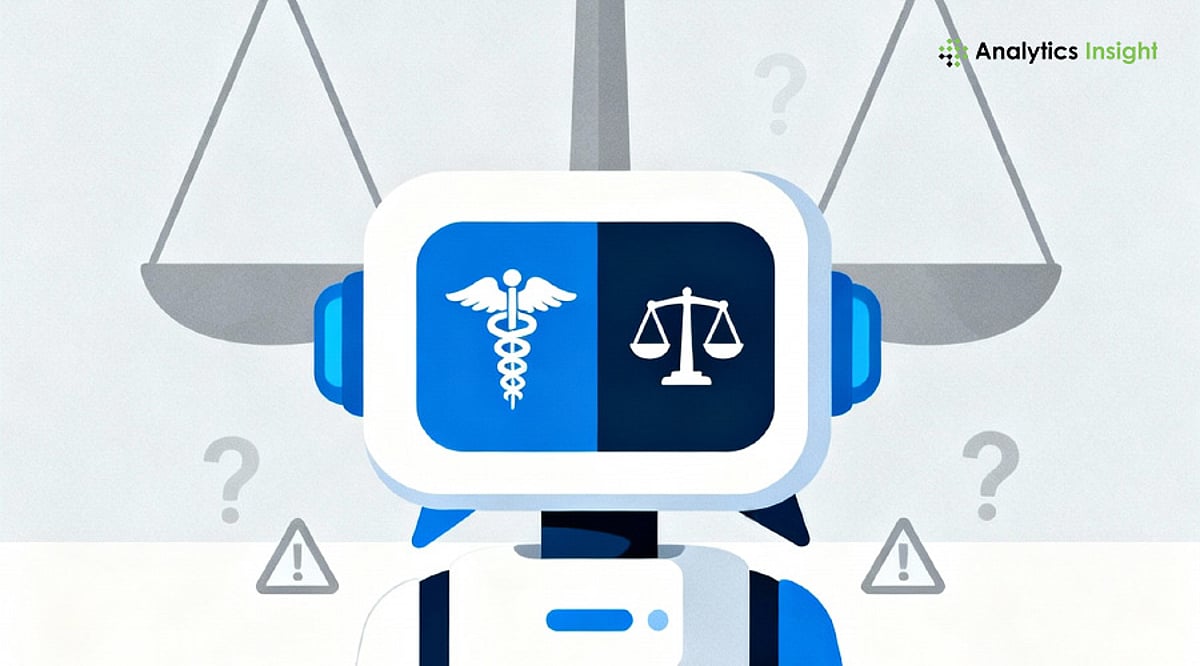
The rapid advancement of artificial intelligence (AI) technologies has sparked a growing debate on the balance between innovation and safety. Experts emphasize that while the speed of AI development is crucial, considerations such as safety, transparency, and human responsibility must not be overlooked. When these conditions are met, chatbots and other AI applications can significantly enhance access and efficiency in various sectors. Conversely, neglecting these crucial aspects can lead to severe consequences, turning potential convenience into calamity.
Governments worldwide are urged to improve AI literacy among the public. By elevating the general understanding of AI capabilities and limitations, individuals will be better equipped to evaluate the content generated by these systems. This is particularly important in preventing misinformation, as people who recognize AI-generated content can make more informed decisions regarding its validity.
To achieve this, experts recommend that individuals develop a habit of questioning the source of information, actively engaging their critical thinking skills. Understanding how to interpret AI’s advice requires a nuanced approach, where recognizing both the strengths and weaknesses of AI becomes fundamental. As AI technologies become increasingly integrated into everyday life, the need for users to assess the information critically is paramount.
In practical terms, this means that people should cross-check significant information with trusted sources and consider involving human experts when necessary. As the reliance on AI becomes more pronounced, the importance of maintaining a vigilant and inquisitive mindset cannot be overstated. The role of human judgment remains essential in navigating the complexities of AI-generated content.
Recent discussions highlight the necessity for regulatory bodies to implement frameworks that ensure AI systems operate within defined safety parameters. These frameworks must prioritize ethical considerations, including transparency in AI algorithms and accountability for AI-driven decisions. The conversation around AI ethics is gaining momentum, with many stakeholders advocating for guidelines that will govern the deployment of AI technologies responsibly.
With the rapid proliferation of AI technologies, organizations are increasingly acknowledging their responsibility to provide clear information regarding how their systems work. Companies like OpenAI and Nvidia are making strides to ensure that their products are not only innovative but also adhere to ethical standards. As these organizations lead the way, other companies are likely to follow suit, setting industry-wide expectations for ethical AI practices.
Moreover, there is a growing call for educational institutions to incorporate AI literacy into their curriculums. By equipping future generations with the skills to understand and critically engage with AI technologies, society can foster a more informed citizenry. This proactive approach aims to prepare individuals for a world where AI plays an increasingly significant role across various domains.
As policymakers, educators, and industry leaders collaborate to enhance AI literacy, the broader implications for society are profound. A well-informed populace can better navigate the challenges posed by AI, thereby minimizing the risks associated with misinformation. In this evolving landscape, the importance of maintaining a balance between innovation and ethical considerations remains crucial for harnessing the full potential of AI technology.
The conversation around AI is not just about technology but also about the societal framework in which it operates. Ensuring that safety, transparency, and human responsibility are integral to AI development will ultimately determine whether these systems will benefit society or become a source of contention. As the implementation of AI technologies progresses, ongoing dialogue and education will play a pivotal role in shaping a future where AI serves humanity positively.
For more information on AI regulations and guidelines, you can visit the White House’s AI regulation page, or learn about ongoing initiatives at OpenAI and Nvidia. As society grapples with these developments, it remains essential to prioritize human-centric approaches to technology in order to cultivate a sustainable future.
See also Meta Expands AI Translation to Five New Indian Languages on Instagram and Facebook
 Honeywell Unveils AI-Driven CT70 Mobile Computer to Enhance Workforce Efficiency in Retail and Logistics
 Utility Stocks Surge Amid AI Demand, But Face Risks as Tech Pullback Looms
 Microsoft Blocks Unauthorized Scripts in Entra ID, ASUS Patches Critical AiCloud Vulnerability
 Unlock AI Tools to Maximize Your Holiday Shopping Savings This Black Friday















