






















































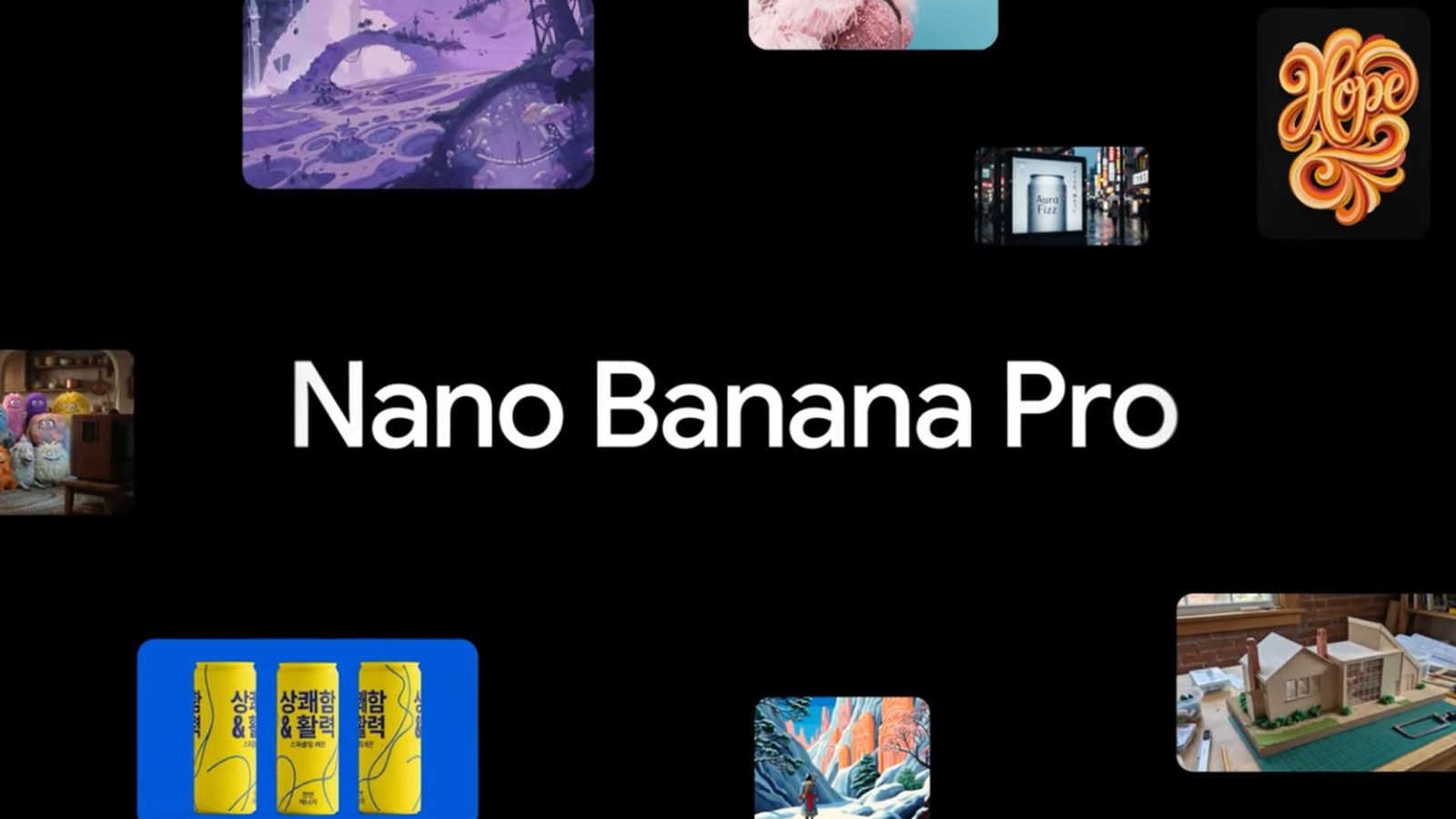
In late November 2025, Google introduced its Gemini Nano Banana Pro model, an AI tool designed for image generation and smart editing, that has since stirred excitement among users and creators alike. However, due to overwhelming demand, the tech giant has restricted free usage to just two images per day, prompting frustration among millions eager to explore the tool’s capabilities this holiday season.
The initial rollout of Nano Banana Pro allowed free users to generate up to three images daily. This quickly changed when Google announced a cut to two images, a decision made to manage server loads and ensure system stability as users began pushing the model’s boundaries with advanced prompts and complex edits. This scenario echoes the challenges faced by OpenAI during the initial popularity of its own image generation tools.
What has driven this surge in interest? The versatility of Nano Banana Pro is a significant factor. AI specialist Samruddhi Mokal’s viral post on social media illustrated ten powerful prompts that highlight the model’s capabilities. Among these features is the ability to recreate hyper-realistic scenes from different eras, preserving details in lighting, décor, and fashion. For instance, users can generate images resembling early-2000s mirror selfies, complete with grainy textures.
Another noteworthy feature is its face-preserving scene changes, allowing individuals to upload a photo and be placed in diverse environments—ranging from a backstage setting at a fashion show to a serene coffee shop—without altering their likeness. The model can also produce cinematic portraits using prompts that reference specific film stocks, effectively mimicking the warm, emotional aesthetics of traditional photography.
The AI’s recursive capabilities are equally impressive, managing complex layers in images, such as a cat holding an iPad that displays the same cat in an endless loop, all while maintaining intricate details across iterations. Furthermore, it can generate realistic cityscapes based on GPS coordinates and time of day, ensuring accurate atmospheric representation.
For e-commerce applications, Nano Banana Pro excels in smart photo editing, isolating products and removing unwanted elements to create polished images with studio-quality lighting. Additionally, the intelligent fill function can seamlessly remove crowds from photos, filling in backgrounds with matching textures and landscapes, ensuring consistency in lighting and detail.
Content creators have found value in the tool’s ability to assist in designing eye-catching visuals for various platforms, including video thumbnails and magazine spreads. With the option to upload 2D floor plans for interior design purposes, users can generate photorealistic 3D views, tailored to their stylistic preferences.
As of late November 2025, the access limits for Nano Banana Pro have evolved to reflect the increasing demand. Free users can now generate two images daily, with limits subject to change. The Gemini 3 Pro model also offers basic access with fluctuating daily limits for free users. For those seeking extensive use, Google’s paid plans, priced at $20 per month for Google AI Pro and higher for AI Ultra, allow for 100 and 500 prompts per day, respectively. These paid tiers are essential for professionals looking to fully utilize the model’s robust features.
Google’s experience with Nano Banana Pro highlights an ongoing challenge within the tech industry as companies race to scale AI tools for public consumption. The high demand for image generation signifies a growing interest in creative empowerment among users, but it also emphasizes the necessity for tech firms to balance innovation with infrastructure capabilities. While limited access may disappoint some users, it serves as a necessary measure to guarantee reliability.
The capabilities exhibited by Nano Banana Pro signal a transformative era in visual creation, allowing anyone—from casual users to seasoned professionals—to generate high-quality images using only a smartphone and a well-crafted prompt. This shift has implications for content creators, marketers, and designers alike, promising a more democratized approach to image generation.
As competition in the AI space intensifies, ongoing adjustments to access limits and pricing structures can be expected, as well as an expansion of features. Google’s Nano Banana Pro stands not only as a technological marvel but also as a reminder of the challenges that accompany the democratization of AI. Its remarkable capabilities reveal a bright future for creators, though patience and adaptability will be essential as this landscape continues to evolve.
See also Distributed Speculative Decoding Achieves 1.1x Speedup and 9.7% Throughput Gain for LLMs
 Synthetic Media Market Surges to $67.4B by 2034, Driven by Generative AI Innovations
 OpenAI Launches GPT-5 with 10x Speed Improvement, Surpassing 1 Million Business Clients
 Gemini 3 Launches Nano Banana Pro, Revolutionizing AI Image Text Generation
 Faster R-CNN by He Kaiming and Team Wins NeurIPS 2025 Test of Time Award














