






















































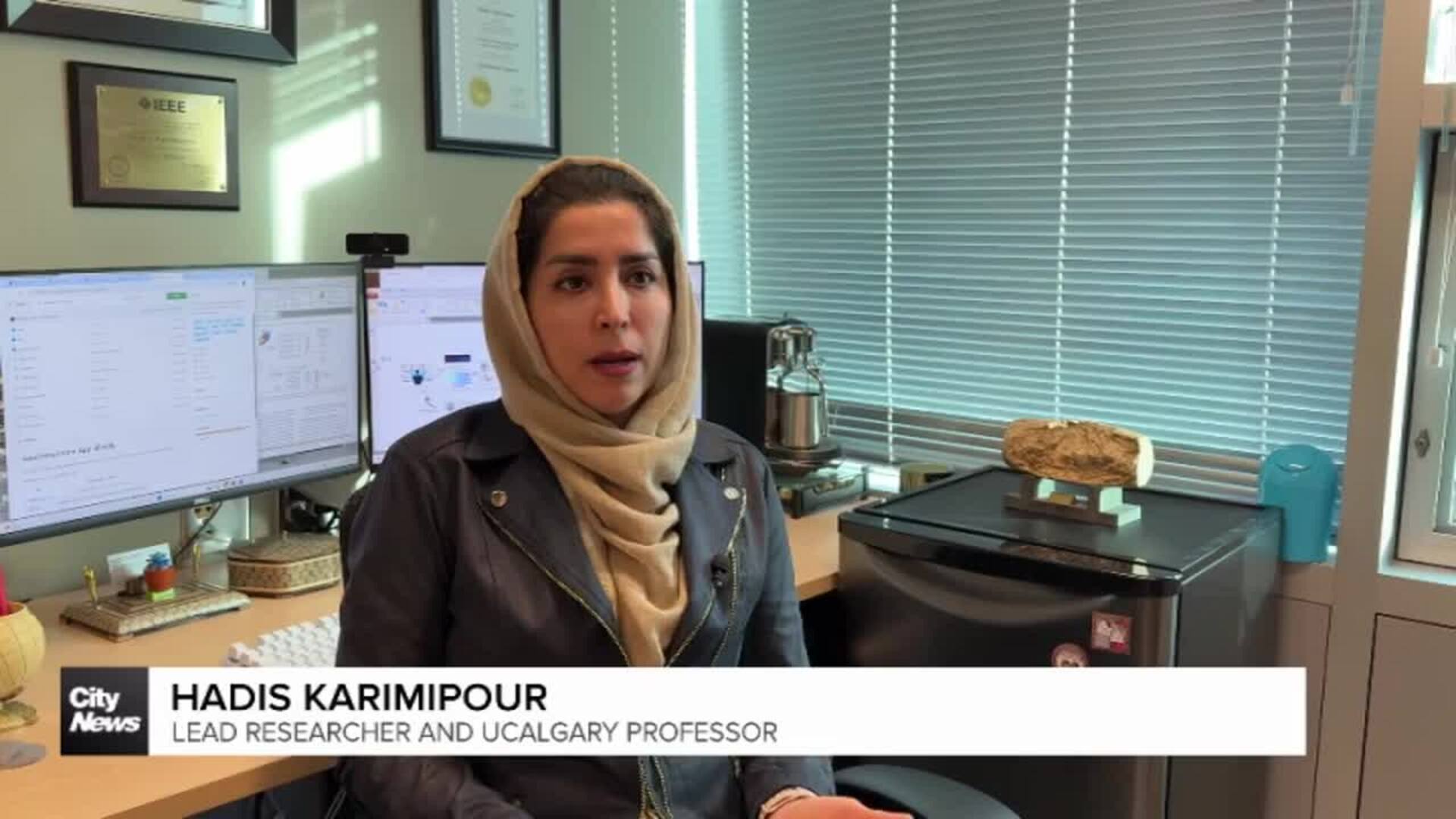
Researchers at the University of Calgary are pioneering the development of advanced tools that integrate artificial intelligence and quantum technology to bolster defenses against cyberattacks targeting critical infrastructure. This initiative, reported on December 1, 2025, aims to enhance the security of essential systems, including power grids, water supplies, and transportation networks. The project, led by a team focused on harnessing the capabilities of AI and quantum computing, seeks to address the increasing sophistication of cyber threats that could disrupt public safety and economic stability.
The rise of digital threats has underscored the vulnerabilities inherent in critical infrastructure, prompting governments and organizations worldwide to seek innovative solutions. This Calgary-based research initiative stands out for its dual focus on AI and quantum technology, both of which are seen as pivotal in redefining cybersecurity measures. The researchers are particularly interested in using AI algorithms to analyze vast amounts of data in real-time, enabling faster detection of anomalies that may indicate a cyber intrusion.
Quantum technology, on the other hand, offers a level of computational power that could revolutionize how encrypted information is processed and protected. By employing quantum encryption methods, the team aims to create systems that are theoretically immune to current hacking techniques. This combination of AI and quantum technologies could provide a formidable barrier against cyberattacks, which are becoming increasingly common and sophisticated in today’s interconnected world.
Hajar Al Khouzaii, who is closely involved in the project, emphasized the urgency of this research. “As our reliance on digital systems grows, so does the risk of cyber threats. Our goal is to create tools that can not only detect but also predict and mitigate potential attacks on critical infrastructure,” she stated. The collaborative effort reflects a broader trend within the tech community to leverage cutting-edge technologies in the fight against cybercrime.
The potential implications of this research are significant. Cyberattacks on critical infrastructure can have devastating effects, leading to outages, financial losses, and threats to public safety. By equipping infrastructure with advanced detection and prevention capabilities, the University of Calgary hopes to set a benchmark for future cybersecurity initiatives. The research team is currently in the early stages of development, working to refine the algorithms and test their effectiveness in simulated environments.
Beyond its immediate applications, the research has broader ramifications for industries reliant on secure digital networks. As cyber threats evolve, the integration of AI and quantum technology could serve as a model for industries such as finance, healthcare, and telecommunications, where safeguarding sensitive information is paramount. The ongoing collaboration with industry partners aims to ensure that the tools developed can be readily implemented across various sectors, enhancing overall resilience against cyber threats.
As this research progresses, the University of Calgary’s initiative exemplifies the potential for scientific innovation to address pressing societal challenges. The convergence of AI and quantum technology in cybersecurity not only aims to protect critical infrastructure but also sets a stage for future advancements. With the stakes higher than ever, the urgency to develop robust cyber defenses will likely drive further investment and collaboration in this essential field.
See also CrowdStrike Launches Real-Time Cloud Threat Detection to Slash Response Times to Seconds
 AI-Driven Cyber Attacks Surge as 95% of Enterprises Face Data Exposure Risks
 Stellar Cyber and Cato Networks Integrate AI-Driven SecOps with SASE for Enhanced Security
 Anthropic Reveals AI Agents Exploit Smart Contract Vulnerabilities, Simulate $4.6M Theft
 Lumen Technologies Expands APAC Cybersecurity with Palo Alto Networks’ Cortex XSIAM Specialization















