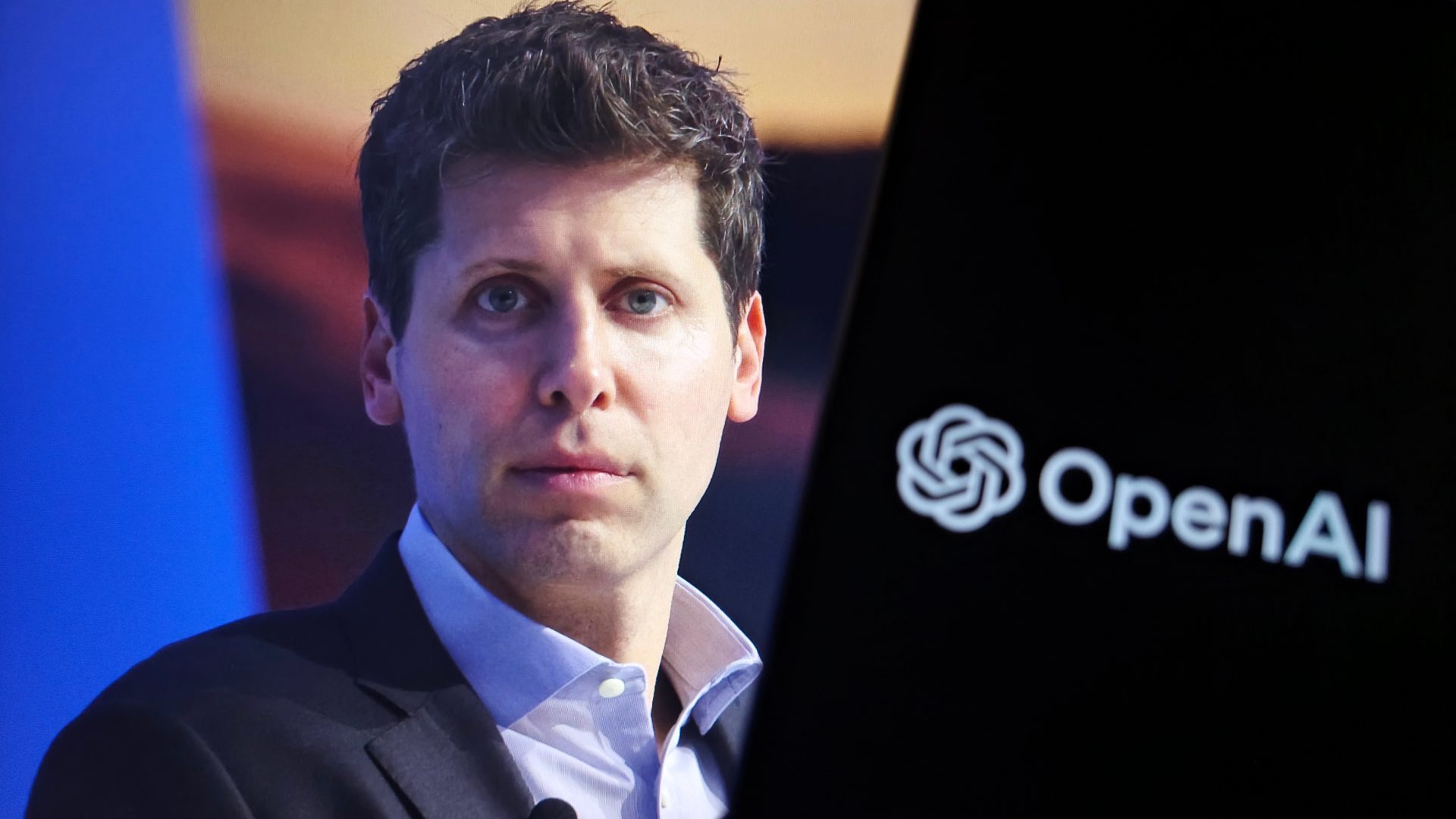
OpenAI Chief Executive Sam Altman declared a code red emergency on Monday, instructing staff to halt other projects and concentrate solely on enhancing the quality and speed of ChatGPT. This internal memo reflects the growing pressure the company faces as competitors such as Google and Anthropic threaten its previously dominant position in the artificial intelligence sector.
Altman’s communication outlined essential improvements for ChatGPT, including enhanced personalization, faster response times, more consistent performance, and the capacity to handle a wider array of inquiries. Reports from The Wall Street Journal and The Information provided details regarding this internal directive.
As part of this urgent shift, OpenAI will postpone the development of several initiatives, including advertising features, AI tools for health and shopping applications, and a personal assistant product known as Pulse. The resources allocated to these delayed projects will be redirected to bolster ChatGPT’s capabilities.
Google has emerged as Altman’s primary concern, especially following the launch of its Gemini 3 AI model last month, which outperformed OpenAI’s offerings in multiple industry tests and benchmarks. This development has positively influenced Google’s stock price and accelerated Gemini’s user base growth, which surged from 450 million monthly active users in July to 650 million by October, presenting a significant challenge to ChatGPT’s market dominance.
Furthermore, Anthropic is intensifying competition by securing a growing number of enterprise clients, now totaling 300,000, thereby establishing a strong foothold in the corporate market where OpenAI is also vying for business.
To facilitate rapid enhancements to ChatGPT, Altman’s memo mandated daily coordination meetings for all team members involved in its improvement and encouraged temporary team transfers to expedite development. Nick Turley, the head of ChatGPT operations, confirmed on Monday night that the focus is now squarely on making the chatbot more intuitive and personalized.
The code red designation marks the highest alert level within OpenAI’s internal system, which categorizes issues into three tiers: yellow, orange, and red. Previously, the company had declared a code orange due to challenges with ChatGPT, escalating to code red this week.
Financial pressures are mounting on OpenAI as it continues to operate at a loss. The company needs to raise significant funds to maintain its operations, which places it at a disadvantage compared to tech giants like Google, who can draw from existing revenue streams for development. OpenAI estimates it must achieve approximately $200 billion in annual revenue to reach profitability by 2030, a considerable leap from its current revenue levels, which are believed to be in the tens of billions.
Moreover, OpenAI has committed to investing hundreds of billions in data centers over the coming years, raising concerns among investors about the timeline for returns on such massive capital investments. Chief Financial Officer Sarah Friar indicated in November that an initial public offering is not on the horizon.
User dissatisfaction has followed OpenAI’s recent releases. With the launch of GPT-5 in August, many users voiced their disappointment over what they perceived as robotic responses and difficulties with basic tasks, such as simple math and geography questions. In response, the company rolled out updates in November aimed at improving tone and accuracy, but quality issues persisted, culminating in Monday’s emergency declaration.
Despite these challenges, ChatGPT retains a significant user base, with over 800 million weekly users, and OpenAI continues to lead in cutting-edge AI research. Altman claimed in his memo that a new reasoning model set to launch next week will exceed the capabilities of Google’s latest Gemini release.
Tensions surfaced during a recent podcast exchange, where Altman challenged investor Brad Gerstner’s inquiry regarding OpenAI’s long-term infrastructure commitments, which exceed $1.4 trillion, against its minimal annual revenue. Altman asserted he could find buyers for shares if desired, indicating robust demand for OpenAI equity. Microsoft CEO Satya Nadella, also featured on the podcast, defended OpenAI’s execution, describing it as exceptional from both a partner and investor perspective. While Altman acknowledged the risks involved, he emphasized that aggressive investment is crucial for sustaining necessary compute capacity to generate future revenue.
See also APSU Unveils AI Prompts to Maximize Holiday Budgets, Enhancing Gift-Giving Strategies
 Runway Launches Gen 4.5 Video Model, Outshining Veo 3 and Sora 2 Pro in Tests
 AnChain.AI Secures Strategic Investment Amid Surge in Demand for AI Fraud Solutions
 Panelist Calls for Eco-Socialist Policies, Land Back, and Public Transit Investment to Combat Climate Crisis
 Bank of England Reports Rising Financial Risks from AI Bubble and Lending Practices