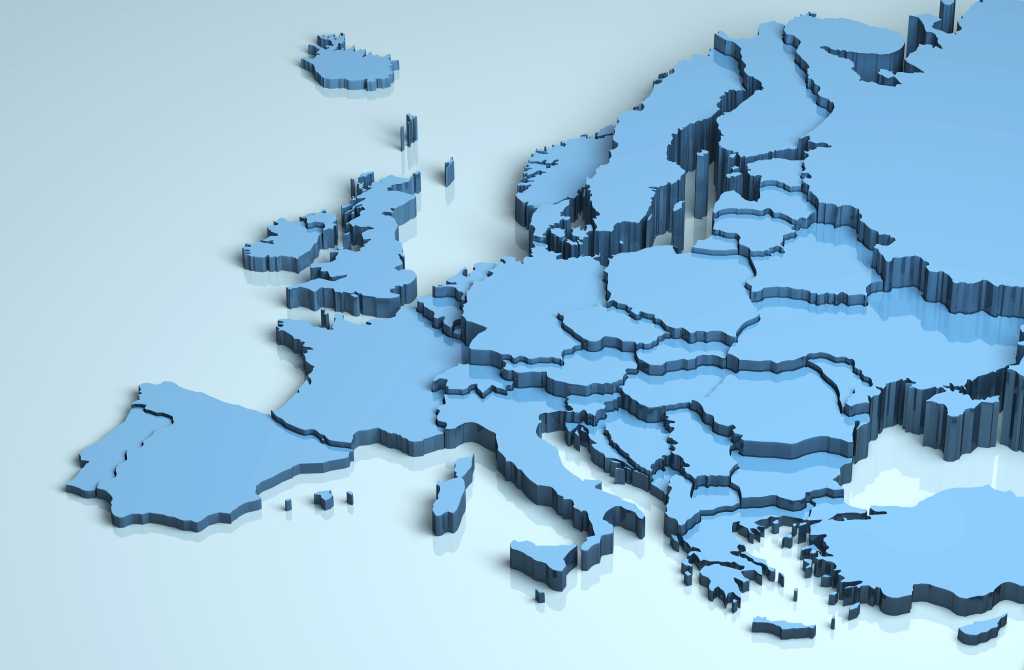
On a foggy morning in Munich, Marie, the Chief Information Officer of a forward-thinking European healthcare startup, meticulously reviews proposals from various cloud vendors. Her company is on the brink of launching AI-powered diagnostics but faces the challenge of keeping all patient data within EU borders to comply with stringent regional privacy laws. On her desk lie impressive portfolios from major players like Microsoft, AWS, and Google, each highlighting their sovereign cloud options in Europe. Alongside these are proposals from smaller national cloud providers, which, while less prominent, are entirely rooted in local laws and operated by European nationals. After consulting multiple legal teams, Marie opts for the local sovereign cloud, viewing it as the more secure and compliant choice for an EU-based organization dedicated to lawful AI development.
Europe is fundamentally redefining the concept of digital sovereignty, placing a premium on control, accountability, and operational independence. For companies and governments within the EU, sovereignty extends beyond mere data location. Critical questions such as who controls data access, who bears legal responsibility, and whether foreign governments can stake any claim to sensitive information are pivotal. European legislation underscores values of privacy and autonomy, necessitating genuine digital self-determination that surpasses mere technical compliance.
The new “sovereign” offerings from U.S.-based cloud providers like Microsoft, AWS, and Google signify a significant advancement in this landscape. These companies are in the process of establishing cloud regions within the EU, assuring customers that their data will be housed locally, managed by European citizens, and compliant with EU regulations. They have recruited local staff, instituted European governance structures, and tailored their agreements to meet strict EU standards, all aimed at instilling confidence among customers and appeasing regulators.
This movement towards digital sovereignty is not merely a reaction to regulatory pressure; it reflects a broader shift in the mindset of European tech companies. The desire for autonomy and control over sensitive data is increasingly paramount for businesses operating in the region. The implications of data breaches or compliance failures could be catastrophic, not only in terms of financial penalties but also in eroding consumer trust.
In this context, the smaller, national cloud providers are emerging as vital players. By offering solutions that are deeply integrated with local laws and governed by national regulations, they present a compelling alternative to their larger counterparts. These providers are often perceived as more attuned to the specific needs and sensitivities of European customers, positioning themselves as trustworthy guardians of data privacy.
Yet, the competitive landscape is evolving. Major U.S. tech firms are acutely aware of the need to adapt and innovate in order to capture a share of the European market. Their substantial investments in complying with EU laws suggest a commitment to meeting local expectations. As these companies continue to build out their sovereign offerings, they could potentially reshape the market dynamics, challenging the dominance of local providers.
As Marie’s company prepares for its AI diagnostics launch, the ongoing discourse around digital sovereignty will likely influence the broader technology landscape in Europe. The balancing act between leveraging the capabilities of large, established cloud providers and ensuring compliance with local laws will remain a central challenge for many businesses.
Looking ahead, the evolution of digital sovereignty in Europe is poised to set a precedent for other regions navigating similar regulatory landscapes. The emphasis on data protection and autonomy could inspire a new wave of tech innovation that prioritizes ethical standards and consumer trust. As the dynamics of cloud computing continue to shift, the lessons learned in Europe may offer valuable insights for other markets grappling with the complexities of data governance.
The future of cloud computing, particularly in the realm of healthcare and AI, hinges on these developments. As companies like Marie’s navigate this landscape, the decisions made today will not only affect their compliance and operational effectiveness but also the trust and confidence of their users.
For more information on cloud services offered by major players, visit the official websites of Microsoft, Amazon AWS, and Google Cloud.
See also Cohere CEO Aidan Gomez: U.S. and Canada Lead AI Race Against China, Emphasizes Partnerships
 Swiss Re Unveils Palantir-Driven AI Strategy to Transform Data into Actionable Insights
 $100 in Ozak AI Could Grow to $70,000 by 2028 as AI-Blockchain Revolution Accelerates
 AI Safety Index Reveals OpenAI, Anthropic Score C+, Meta and xAI Earn D Grades
 Logitech CEO Warns AI Gadget Rush Lacks Purpose, Focuses on Enhancing Traditional Devices