






















































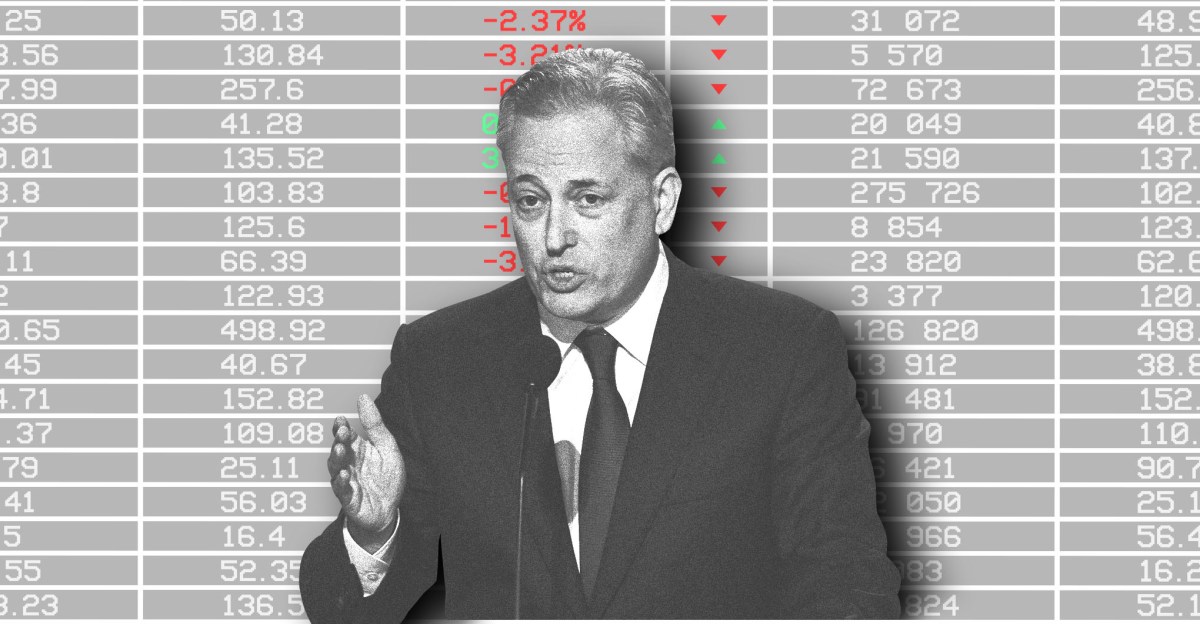
Washington lawmakers are navigating a new wave of uncertainty surrounding artificial intelligence (AI) regulation, following the announcement that a proposed ban on state-level AI laws will not be included in the National Defense Authorization Act (NDAA). This comes amid reports that President Donald Trump is set to sign an executive order granting the federal government authority to penalize states that enact their own AI legislation.
The potential executive order, rumored to be in line with a more aggressive proposal that emerged earlier, could place significant power in the hands of David Sacks, a billionaire venture capitalist and Trump’s designated advisor on AI and cryptocurrency. While some speculate the order may be less severe, reflecting widespread public opposition to a state AI moratorium, others warn that the implications could be damaging. This has prompted criticism from unexpected quarters, including prominent MAGA Republican podcasters who are traditionally aligned with Trump’s base.
Steve Bannon’s “War Room” dedicated a substantial segment to the topic, expressing concerns that an executive order could ignite backlash from Trump’s supporters who rely on traditional values and fear that tech companies pose a greater threat to job security than immigration. Joe Allen, a noted AI critic, voiced these concerns, asserting that a moratorium could alienate Trump’s core supporters.
Behind closed doors, experts in AI policy and political strategists—regardless of their stance on preemption—are actively engaging with White House officials, aiming to dissuade Trump from embracing a rapid moratorium. Susie Wiles, Trump’s chief of staff, is considered a key figure who could influence the president’s decision. Her reputation for maintaining order within Trump’s operations and her deep trust from the president position her as a potential bulwark against what many believe would be a politically disastrous move.
Polling data indicates that a significant majority of Americans, spanning bipartisan lines, oppose state AI law moratoriums. This sentiment is particularly pronounced among the MAGA base, which has historically held a distrust of large tech firms. Many within this demographic view AI as a threat to jobs and family values. For Republican candidates aligned with this base, such as Vice President J.D. Vance, supporting a moratorium could be politically damaging.
The upcoming midterm elections add another layer of complexity to the situation. Recent electoral outcomes, including a Democratic victory in New York’s mayoral race and substantial wins in Virginia, highlight the precarious position of the Republican Party. Although Republicans secured a special election win in Tennessee, it came in a district that Trump had previously carried by a sizable margin.
While no official executive order has yet been issued, a draft that surfaced before Thanksgiving alarmed lawmakers and experts alike, capturing attention for its aggressive approach to consolidating federal control over state-level AI regulations. Rather than crafting a comprehensive federal framework that would establish coherent AI regulations across the nation, the Trump administration has favored a more heavy-handed approach that could stifle state innovation and autonomy.
The draft order would empower various federal departments to penalize states for enforcing what it terms “onerous” AI laws, effectively sidelining expert agencies like the Office of Science and Technology Policy. Additionally, it tasks the Department of Justice with pursuing legal action against states that attempt to enforce their own regulations, a move already facing challenges from states regarding environmental laws.
Frustration is growing among political operatives as the tech industry’s more aggressive lobbying efforts have bypassed traditional channels. Many insiders believe that while Trump is likely to pursue some form of executive action on preemption—given his stated intention—there is a risk that this approach could alienate lawmakers and voters alike. Doug Calidas, Senior Vice President for Government Affairs at Americans for Responsible Innovation, highlighted a divide within the industry, noting that while established players like Google and Microsoft understand the political landscape, newer entrants like Sacks and Marc Andreessen are less willing to compromise.
The unfolding situation underscores the delicate balance of power and influence within the realm of AI regulation, as well as the broader implications for both the Republican Party and the tech landscape. How the Trump administration navigates these complexities in the coming weeks will be pivotal for the future of AI governance in the United States.
See also HHS Reveals Ambitious AI Strategy with 271 Implementations Planned for 2024
 Telangana and Deakin University Launch India’s First AI Centre of Excellence in Hyderabad
 Delhi Government Launches AI Training Program for 6th to 9th Graders, Starting December















