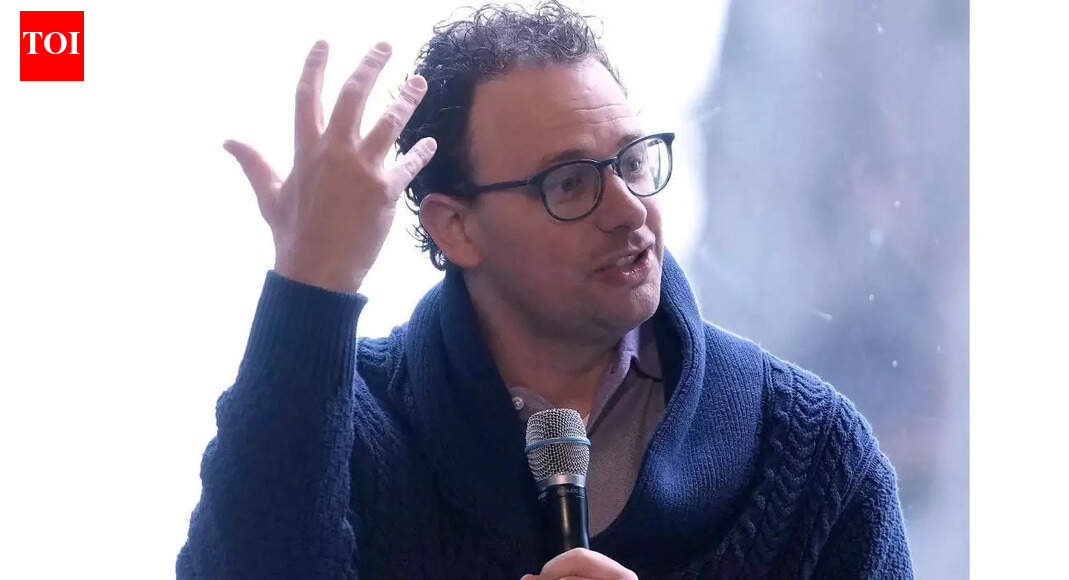
At this year’s DealBook Summit, Anthropic CEO Dario Amodei addressed the burgeoning investments in artificial intelligence, cautioning that the sector is undertaking “considerable risk.” His remarks come amid ongoing debates about whether the hundreds of billions of dollars funneled into AI infrastructure will yield meaningful economic returns. Despite acknowledging the financial uncertainties, Amodei expressed optimism that the technology’s potential to create economic value will ultimately materialize.
In response to a question regarding the logic behind the industry’s soaring expenditures, Amodei emphasized the need to differentiate between technological advancements and economic viability. “So this is really complicated, and I want to separate out the technological side of it from the economic side of it,” he stated. He further asserted that while the financial mathematics may be complex, he remains optimistic about the technological evolution driving progress. “I feel really solid. I think I’m one of the most bullish people around, and I think it pencils out,” he noted. Amodei highlighted that as models are refined through minor adjustments, their performance improves across various tasks.
Amodei cited Anthropic’s own financial performance as an indicator of the sector’s economic prospects, noting that the company’s revenue has grown tenfold each year for the past three years. This growth, he argued, makes Anthropic a “purer barometer” of AI’s value compared to other companies that rely on consumer markets, which can be influenced by varying habits and use cases. While he acknowledged the uncertainty surrounding future growth, he confidently stated, “Will it continue? I don’t know. But the technology is driving there and the economic value is coming with it.” He predicted a slowdown in the current growth trend but maintained it would still be significant.
Amodei’s comments come at a time when the AI sector is under scrutiny for its financial practices, as investments surge in a race to develop advanced technologies. Critics worry that the scale of investment may not be sustainable and could lead to economic repercussions if companies fail to deliver on their promises. On the other hand, proponents of AI argue that the innovations being developed will redefine various industries, enhancing productivity and creating new markets.
The discussion at the summit underscores a broader narrative within the tech industry, where the balance between innovation and fiscal responsibility remains a critical concern. Investors are increasingly looking for reassurance that their capital is being deployed wisely, especially in a landscape characterized by rapid technological advancements and shifting market dynamics. As companies like Anthropic continue to scale their operations, the pressure to demonstrate tangible returns on investment will likely intensify.
Looking ahead, the AI sector faces a pivotal moment as it strives to justify its monumental investments. Dario Amodei’s confidence in the technological underpinnings of AI may serve as a beacon for stakeholders navigating this complex landscape. As Anthropic continues to expand its footprint in enterprise markets, it may provide a clearer picture of how the economic benefits of AI will ultimately unfold. The challenge remains for companies to align their technological capabilities with sound financial strategies that can withstand the pressures of a rapidly evolving market.
See also CFOs Must Evolve into AI Entrepreneurs to Drive Data-Driven Corporate Performance Management
 AI Accelerates Drug Discovery and Revolutionizes Research: 7 Breakthroughs Transforming Science Today
 UK Student Wins Jury Prize at Kling AI Contest with Groundbreaking AI-Generated Short Film
 Rollins (ROL) Achieves Record Margins Amid AI-Driven Marketing Challenges; Barclays Upgrade Boosts Outlook
 Meta Acquires AI Wearables Startup Limitless to Boost AI-Enabled Technology