






















































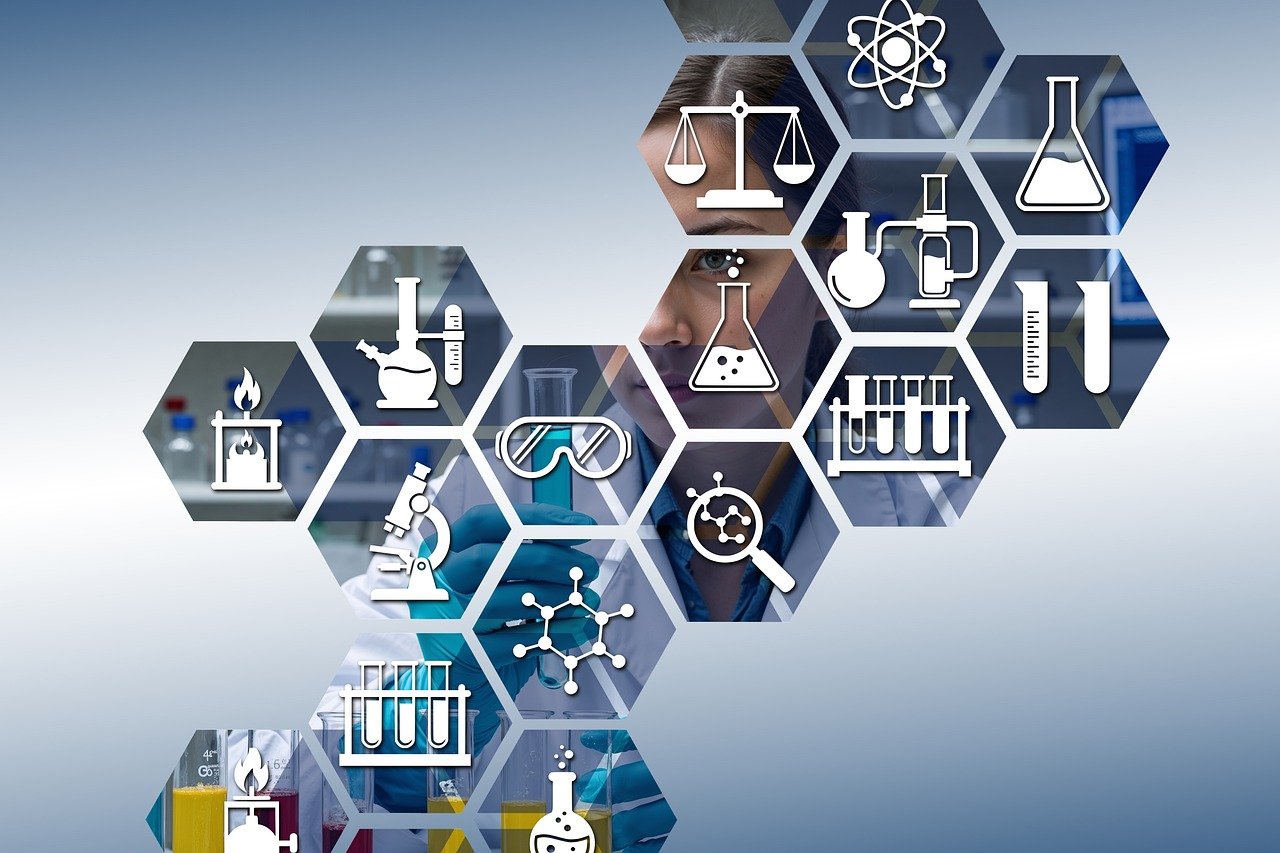
Artificial Intelligence (AI) is rapidly reshaping the scientific realm, facilitating discoveries and innovations that were previously unattainable through conventional methods. By harnessing advanced algorithms, researchers across various fields—from medicine to environmental science—are achieving breakthroughs with unprecedented speed and precision.
AI’s impact is especially notable in several scientific domains. For instance, AlphaFold, an AI model developed by DeepMind, has transformed biology by accurately predicting protein structures. This capability unlocks vast insights into biological functions, disease mechanisms, and drug design, propelling advancements in biomedical research.
Moreover, companies like FutureHouse are driving the frontier of autonomous scientific research. These cutting-edge AI systems can now generate hypotheses, design experiments, and conduct research with minimal human intervention. Such innovations are fueling rapid progress in therapeutics for conditions like age-related macular degeneration.
AI is also revolutionizing drug discovery and development. Technologies in generative chemistry and molecular screening are shortening drug discovery timelines from years to mere weeks. By designing novel drug candidates and optimizing molecular properties with robotic labs for iterative testing, AI is redefining treatment development for complex diseases.
The search for novel materials has accelerated as well, with AI playing a pivotal role in identifying advanced materials, such as new battery compounds that promise enhanced longevity and faster charging capabilities. In 2025, AI-assisted research identified materials crucial for sustainable energy storage, marking a significant leap toward cleaner energy technologies.
In healthcare, AI-powered diagnostic systems are improving the accuracy and efficiency of disease detection. For example, AI systems acting as second readers in breast cancer screenings have significantly reduced false negatives, leading to earlier diagnoses and improved patient outcomes. These technologies are increasingly being integrated into clinical practices.
AI’s influence extends to environmental and climate science, where advanced models are integrating diverse data streams to enhance weather forecasts and climate modeling. These innovations are essential for understanding and mitigating environmental challenges, offering more precise predictions and insights into complex ecological interactions.
How AI Is Transforming Research
By automating tedious tasks such as data analysis and hypothesis testing, AI allows researchers to concentrate on interpretation and innovation. Multi-agent AI systems collaborate with human scientists by proposing novel ideas and executing experiments independently, effectively breaking through traditional research bottlenecks. Innovations in composite AI model training also contribute to reducing error rates and increasing reliability, thus ensuring that AI-generated discoveries are robust and reproducible.
Various fields are experiencing the most significant benefits from AI advancements. In medicine, AI is enabling tailored therapies and faster diagnostics. In materials science, it is facilitating the discovery of energy-efficient compounds. Environmental science is leveraging AI for better predictive models, while computing and mathematics are witnessing innovative algorithms that tackle previously intractable problems.
AI-driven breakthroughs are increasingly affecting daily life, from hastened drug development and improved healthcare diagnostics to optimized agricultural practices. Advanced weather forecasting powered by AI enhances crop yields and disaster preparedness, while AI-optimized materials are contributing to better battery life and energy efficiency in consumer products.
The significance of AI science breakthroughs is underscored by their potential to address global challenges swiftly and innovatively. These technologies democratize research, granting broader access to powerful tools and accelerating advancements in critical areas such as health, energy, and the environment. As AI continues to evolve, it promises to deepen interdisciplinary scientific understanding and transform industries globally.
Emerging trends in AI research are shaping the future landscape. Innovations like compound AI systems, which utilize multiple data sources to minimize errors, are becoming increasingly prevalent. The “mixture of experts” approach trains smaller, specialized AI models for specific tasks, enhancing efficiency in scientific discoveries. Furthermore, the integration of AI with advanced hardware, including edge AI processors, is expanding possibilities for real-time scientific data analysis.
In summary, AI acts as a dynamic discovery engine, revolutionizing research methodologies and broadening the scope of scientific achievement. These breakthroughs highlight the profound impact of intelligent technology on scientific progress, driving society toward a smarter, healthier, and more sustainable future.
Despite these advancements, challenges remain. Issues such as data biases, the complexity of AI decision-making, and the high costs of automating laboratory experiments continue to present obstacles. Addressing these challenges will be crucial as AI becomes increasingly intertwined with scientific research.
As AI continues to evolve and integrate into the fabric of scientific inquiry, it holds the potential to not only enhance research efficiency but also foster a new era of innovation that can address some of the world’s most pressing issues.
See also UK Student Wins Jury Prize at Kling AI Contest with Groundbreaking AI-Generated Short Film
 Rollins (ROL) Achieves Record Margins Amid AI-Driven Marketing Challenges; Barclays Upgrade Boosts Outlook
 Meta Acquires AI Wearables Startup Limitless to Boost AI-Enabled Technology
 China’s AI Toy Market Booms: 30+ Funding Rounds Fuel Launches from Huawei, UBTECH
 MIT’s New AI Transforms Hand-Drawn Sketches into CAD-Ready 3D Models in Seconds















