

The Retail AI Council, a retailer-driven organization focused on leveraging artificial intelligence (AI) to enhance customer relationships, has announced the formation of its Shopper Context Protocol (SCP) Working Group. This cross-industry initiative aims to ensure that the evolution of commerce remains customer-centric, particularly as AI tools become increasingly integrated into shopping experiences.
As one-third of consumers now utilize personal AI agents during their shopping journeys, retailers face the challenge of maintaining the direct relationships they have built over the years. Many initial interactions with these AI systems lack recognition of brand loyalty, order history, and consumer preferences, which can transform familiar shopping experiences into impersonal transactions. This shift threatens to reset the established connections between brands and their customers, leading to friction from inspiration through to purchase.
The SCP seeks to bridge this gap by allowing customers to control the sharing of their shopping context, ensuring that AI-driven commerce enhances rather than diminishes their relationships with brands. “AI isn’t transformational unless it’s grounded in a deep, real-time understanding of what shoppers want and why,” stated Andy Laudato, co-founder and chair of the Retail AI Council and COO of The Vitamin Shoppe. He emphasized that the SCP Working Group is a crucial step toward achieving that understanding while democratizing access to context-rich AI for retailers.
The mission of the SCP Working Group is to unite retailers, technology providers, and industry leaders to collaboratively refine the protocol and establish best practices for its implementation. SCP is designed as an open, privacy-preserving standard that avoids proprietary lock-in and requires minimal implementation effort. It aims to facilitate the adoption of an open standard that truly prioritizes customer context and builds on the agent-led purchase journeys enabled by the Agentic Commerce Protocol (ACP). While ACP focuses on product discovery and checkout, it does not account for loyalty, preferences, or intent—areas that the SCP is designed to address by making shopper context portable and ensuring that consumers are not merely anonymous clicks in an increasingly agent-driven commerce landscape.
The Working Group aims to empower customers to securely retain their relationship data with retailers across various platforms, personal AI assistants, and channels. For retailers, SCP enhances their capability to recognize and serve loyal customers, even as AI systems mediate interactions. Technology providers benefit from SCP as well, gaining a standardized point of integration for accessing customer context without the need for bespoke solutions for each retailer.
Matt Howland, chair of the SCP Working Group, commented, “Without a shared standard protocol for shopper context, many retailers struggle to unlock the power of AI agents, while being effectively blind to conversations shoppers have within tools like ChatGPT. SCP ensures retailers can participate meaningfully in these moments instead of being cut out of them.” He added that the initiative aims to unify industry approaches, reduce friction, and accelerate the development of personalized AI customer experiences, all while maintaining consumer trust.
Retailers and technology vendors who join the Retail AI Council and its SCP Working Group will gain early influence over the protocol’s development, ensuring that their technical needs and use cases help shape the protocol’s evolution. This positions them as frontrunners in the emerging landscape of agentic commerce, adopting open standards while the market continues to develop.
Doug Weich, Founder & Connecter of the Retail AI Council, remarked, “I’ve seen first-hand how hard it is for retailers and technology providers when every agentic interaction starts from zero. Through the SCP Working Group, we can build practical, scalable standards that preserve customer relationships and strengthen the entire ecosystem.”
To launch the Working Group’s efforts, the Retail AI Council will host an invite-only reception during the National Retail Federation (NRF) event on January 12, 2026. The gathering aims to foster meaningful discussions among retailers about AI’s impact on the future of commerce and provide networking opportunities with leading brands, innovators, and AI pioneers.
See also Prometheus Premier Marketing Launches AI Engine ‘The Spark’ for Results-Driven Strategies
 Philippine Agencies Embrace AI Orchestration for 2026 Marketing Strategies
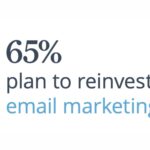 Marketers Reinvest in Email, 65% Embrace AI for Enhanced Customer Engagement by 2026