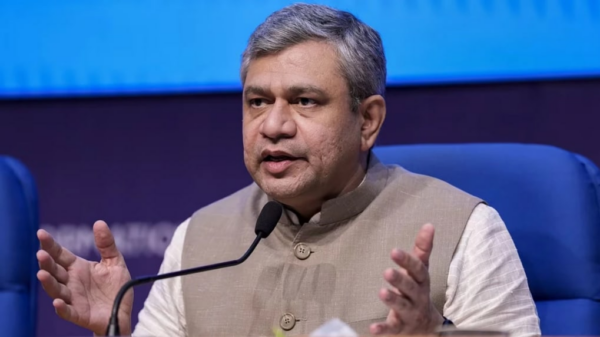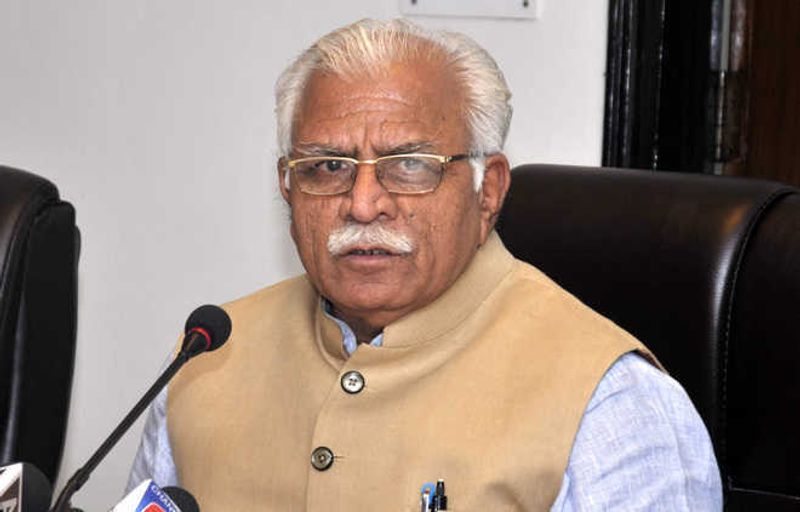
Artificial Intelligence (AI) and machine learning (ML) will play a pivotal role in developing intelligent, consumer-focused, and self-optimizing electricity distribution networks, according to Power Minister Manohar Lal Khattar. Speaking at a two-day national conference on digital technologies in the power sector at Bharat Mandapam in Delhi, the minister emphasized that the integration of these technologies can greatly enhance consumer experience and operational efficiency.
Minister Khattar noted that applications such as smart meter analytics, digital twins, predictive maintenance, theft-detection systems, appliance-level insights, automated outage prediction, and GenAI-based decision support can significantly transform electricity distribution. He highlighted the strong participation from various stakeholders including industry players, state representatives, innovators, academia, and technology partners, showcasing a variety of solutions presented by DISCOMs, AMISPs, technology providers, and home automation firms.
Urging for closer collaboration among companies, the minister called on all DISCOMs to work with relevant stakeholders to build smart, reliable, and consumer-centric distribution systems. He stressed the importance of engaging consumers and combating misinformation regarding new technologies, stating that public support would be crucial for the large-scale adoption of innovative solutions.
The AI and ML-based solutions demonstrated at the conference, he stated, illustrate how technology can help rebuild trust in the energy sector. These tools empower households to manage their consumption more effectively, prevent outages before they happen, protect honest consumers from the financial burdens of electricity theft, and ultimately reduce losses while optimizing power purchase costs.
Minister Khattar asserted that these digital tools could enable DISCOMs to reinvest in stronger infrastructure, thus contributing to India’s emergence as a leader in digital electricity reform. Power Secretary Pankaj Agarwal echoed the minister’s sentiments, expressing the ministry’s commitment to expanding digital systems and facilitating the deployment of AI and ML solutions that yield measurable operational and financial benefits.
The integration of AI and ML in the energy sector is in line with global trends where digital transformation is being embraced to create more resilient and efficient energy systems. As countries grapple with energy demands and sustainability goals, the ability to harness advanced technologies for predictive analytics and consumer engagement will be essential. The Indian government’s proactive approach may set a precedent for other nations looking to modernize their electricity distribution networks and enhance consumer relations.
In this context, the commitment to AI and ML not only reflects a technological evolution but also a societal shift towards smarter, more adaptive energy management. As stakeholders continue to collaborate on these initiatives, the potential for improved efficiency and consumer satisfaction could redefine the future landscape of the power sector in India and beyond.
For more insights on the impact of AI in energy, you can visit IBM’s website or explore case studies on AI applications in utilities here.
See also AI Bubble Risks Emerge as Tech Giants Invest Trillions Without Profitable Returns
 Demis Hassabis Urges Maximum AI Scaling to Achieve AGI Amid Industry Concerns
 UAE’s $148B AI Investment Set to Boost Economy by 0.7%, Says IMF’s Jihad Azour
 Marvell Acquires Celestial AI to Revolutionize Optical Interconnects for AI Data Centers
 DeepSeek Launches V3.2 Model, Achieves Gold Medal-Level Math Performance