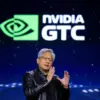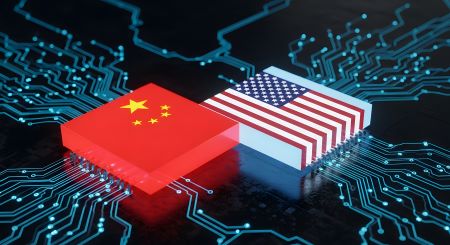
Nvidia will resume shipments of its advanced H200 chips to approved customers in China, marking a significant shift in U.S. policy. This decision comes after the U.S. government had prohibited sales due to national security concerns, leading Nvidia to lose its dominant position in the Chinese market, where it previously held a 95% share.
As stated by the President, the Department of Commerce is finalizing the details, and the administration is planning to extend similar offers to other chip manufacturers, including AMD and Intel. The original ban, described by Nvidia CEO Jensen Huang as a “strategic mistake,” reflected the U.S. government’s desire to limit China’s access to cutting-edge technologies.
China presents a lucrative opportunity for Nvidia, which is currently valued at around $4.5 trillion. Analysts believe that resuming sales could generate billions of dollars in additional revenue for the company. Nonetheless, the easing of restrictions has sparked criticism, with some experts warning that it may enhance China’s capabilities in areas such as surveillance, censorship, and military applications.
In response to the potential influx of U.S. technology, Beijing has encouraged domestic firms to seek alternatives to American products. This stance raises questions about the possible extent of Nvidia’s sales rebound in China, given the government’s directive for companies to reduce reliance on U.S. technology.
The implications of this policy shift are multifaceted. On one hand, the resumption of shipments could help Nvidia reclaim a significant share of a market known for its rapid growth and innovation. On the other hand, the strategic calculus behind U.S. export controls remains complicated, as national security considerations continue to loom large over trade relations with China.
Nvidia’s return to the Chinese market could also influence the competitive landscape in the semiconductor industry. With the potential for AMD and Intel to follow suit, the effects may ripple throughout the tech ecosystem, possibly leading to heightened tensions between the U.S. and China as they vie for technological supremacy.
Looking ahead, the outcome of this policy shift will depend on various factors, including the response from the Chinese market, domestic U.S. sentiments regarding technology exports, and the strategic choices made by competing firms. The balance between economic opportunity and national security will likely remain a focal point as stakeholders navigate this evolving landscape.
See also Microsoft Unveils $17.5 Billion AI Investment in India to Expand Cloud Infrastructure and Workforce Training
 Hyundai Reveals MobED Robot with AI for Stable Movement on Varied Surfaces
 Chinese State Actors Leverage AI in Espionage: Anthropic’s Claude Code Discovered in Campaign
 Three Contrarian Investment Strategies for 2026: Balance AI Risks, Embrace Global Markets, and Optimize Fixed Income
 Microsoft Announces $17.5 Billion Investment in India to Skil 20 Million in AI by 2030