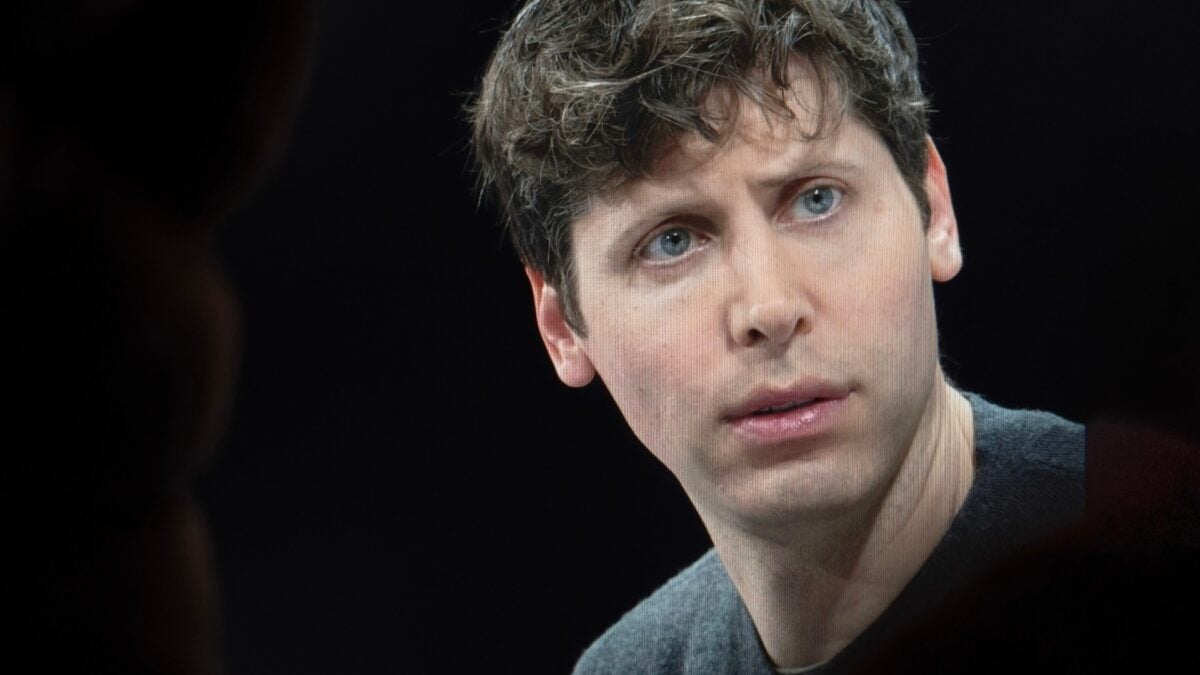
OpenAI is reportedly self-censoring its research regarding the negative effects of artificial intelligence, a change that has led to the exit of at least two employees. A recent report from WIRED suggests that the company has become increasingly “guarded” about releasing findings from its economic research team, particularly data concerning potential job displacement due to AI.
Among those who have departed is data scientist Tom Cunningham, who has taken a position at METR, a nonprofit organization focused on evaluating AI models for public safety threats. In a message shared internally prior to his departure, Cunningham expressed concern that the economic research team was effectively functioning as an advocacy arm for OpenAI.
Originally founded as a research lab, OpenAI has undergone significant transformation as it pivots toward commercial products, generating billions in revenue. The company’s economic research efforts are now overseen by its first chief economist, Aaron Chatterji, who was appointed late last year. Recently, Chatterji’s team released findings indicating that AI could potentially save workers an average of 40 to 60 minutes daily.
The WIRED report further reveals that Chatterji operates under the guidance of OpenAI’s chief global affairs officer, Chris Lehane, known for his reputation as a “master of disaster,” owing to his previous roles in crisis management for figures like former President Bill Clinton, as well as companies like Airbnb and Coinbase.
This is not the first instance where OpenAI has faced accusations of prioritizing product development over safety research. Just last month, a report from the New York Times alleged that OpenAI is aware of the mental health risks associated with addictive AI chatbot designs but continues to pursue these technologies.
Former employees have also criticized the company’s research review process as overly stringent. Last year, Miles Brundage, who previously led policy research at OpenAI, cited publishing constraints as a reason for his departure, stating, “OpenAI is now so high-profile, and its outputs reviewed from so many different angles, that it’s hard for me to publish on all the topics that are important to me.”
AI is increasingly transforming modern society and is believed to have a substantial impact on the economy. Some reports suggest that AI investments are currently bolstering the American economy. While the extent to which AI will replace jobs remains unclear, preliminary research indicates it is already disrupting the early career job market. Even Federal Reserve Chair Jerome Powell has acknowledged that AI is “probably a factor” in current unemployment rates.
At the center of these sweeping changes is OpenAI, which plays a crucial role in a complex landscape of multibillion-dollar deals. Its flagship product, ChatGPT, has become almost synonymous with the term “AI chatbot.” Moreover, OpenAI is pivotal to the Stargate initiative, a vast AI data center plan introduced by the Trump administration. Officials aligned with Trump have touted the positive potential of AI while dismissing concerns raised by competitors like Anthropic, who fear the implications of unchecked technology.
The company’s executives are also involved in a broader industry debate over AI safety, particularly as it unfolds in Washington. OpenAI President Greg Brockman is a prominent supporter of “Leading the Future,” a super-PAC advocating against most forms of AI safety regulation, which they view as impediments to innovation.
As OpenAI navigates the complexities of commercial success and ethical considerations, the ongoing discourse around safety, job displacement, and mental health risks will likely shape the future of AI technologies and their integration into society.
See also Surf Secures $15M to Develop AI Model for Enhanced Crypto Research Insights
 DeepMind Launches First Automated UK Lab to Advance AI-Driven Material Discovery
 AI-Driven Border Policies Propel €35.4 Million Funding Boost for European Defense Firms
 AI Prescribing Legislation Sparks Debate Over Error Tolerance in Health Care Systems
 UH Researchers Unveil AI Tool to Accurately Map Sun’s Magnetic Field in 3D