Major corporations such as Amazon and IBM have been in the news recently for laying off employees as they pivot towards integrating artificial intelligence into their operations. However, while some workers may face displacement, the rise of AI is also presenting new opportunities, particularly in the field of human resources (HR). As companies increasingly adopt AI technology, the landscape of HR is poised to undergo significant transformation.
Currently, around 40% of large companies utilize AI in their HR functions, according to a report by PwC. This number is expected to increase as organizations such as Microsoft, Walmart, Meta, and the Bank of New York Mellon explore more advanced applications of AI beyond generative uses to what is referred to as agentic AI. This type of AI operates as a digital assistant, capable of performing tasks autonomously while mimicking human behavior, such as learning from user feedback and adapting to its environment. The Bank of New York Mellon, for example, has developed AI agents with distinct personalities and roles to manage routine HR tasks like onboarding and monitoring transactions.
According to Lucy Schott, founder of Unlocked Consultancy, which specializes in bridging the gap between HR and AI technology, the potential benefits for HR teams are significant. AI can automate numerous HR processes, allowing professionals to focus on more strategic initiatives. Popular applications of AI in HR include recruitment, performance management, analyzing employee engagement surveys, and skill gap identification. AI is also utilized for workforce planning and as a coaching tool for employee development.
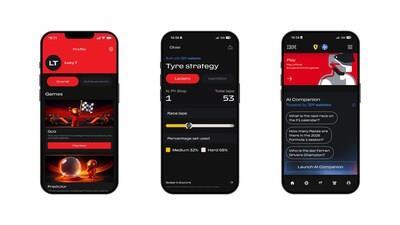
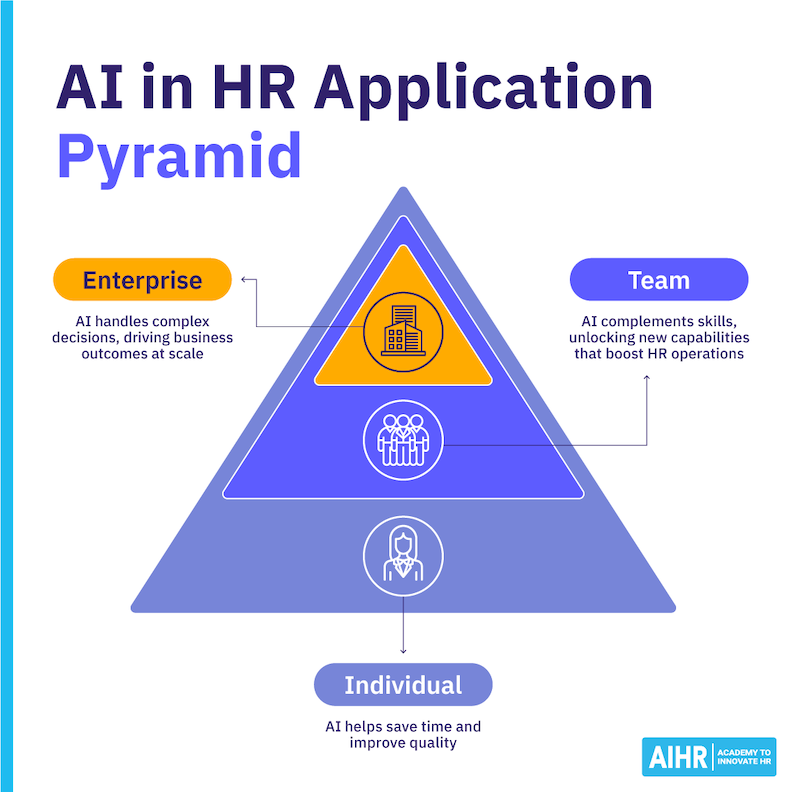
Despite concerns about automation leading to job losses in HR, Schott reassures that professionals will instead use AI as an assistant, effectively expanding their capabilities. “It’s like turning a team of six into a team of sixty,” she stated. Employees may interact with AI assistants as they would with human counterparts, rephrasing their requests in a conversational manner. For instance, IBM’s AI agent, AskHR, handles various HR-related tasks, including onboarding and responding to inquiries about benefits and leave. The tool has contributed to a 40% reduction in operational costs and has managed over 10 million employee interactions annually since 2023, addressing 94% of questions autonomously.
As organizations look to integrate AI into their HR systems, several crucial factors need to be considered. Schott emphasizes that companies must avoid implementing AI without a comprehensive plan, addressing compliance, technology, and data privacy from the outset. “You can’t just launch AI and not know how to do it,” she cautioned, highlighting the importance of preparing teams to engage with the technology effectively.
Managing the integration of AI should be treated as a change management initiative. Organizations must consider the stages of change and develop a communication strategy that informs employees of the process. On the technical side, compliance and data infrastructure need careful evaluation, particularly in regions like Europe, which impose strict regulations on data privacy.
Data security is a significant concern as companies adopt AI. Schott underscores the necessity of collaborating with technology teams to manage data security effectively. “Your chief technology officer and chief information officer will need to become your best friends,” she noted. HR must exercise caution when sharing sensitive information with AI systems, ensuring that all personal data is scrubbed prior to input.
The quality of data used to train AI systems is also critical. Flawed or biased data can lead to systemic issues in AI outputs, according to Schott. Furthermore, companies must assess the best type of AI system for their needs, weighing the benefits of an HRIS bolt-on tool against a more robust enterprise-wide solution. Security considerations are paramount, as free AI tools typically lack the necessary security features to protect sensitive data.
Another common oversight is failing to consider how AI will alter workforce dynamics and individual roles. Schott pointed out that while younger employees may already possess familiarity with AI tools, others may require upskilling. HR teams themselves will need training in critical thinking to complement the AI’s capabilities. Establishing clear roles for both AI and human contributions in HR processes is vital, as is determining policy ownership regarding AI use and training within the organization.
Building organizational trust in AI applications is essential for successful adoption. Transparent communication about how AI will be utilized, the security measures in place, and its impact on employees will foster a sense of trust. “Be transparent about who the change will impact,” Schott advised. Creating incentives for employees to engage with AI tools can further enhance adoption.
As organizations navigate the complexities of integrating AI into HR, robust cybersecurity measures will be critical. Douglas K. Chia, president of Soundboard Governance, warns that the threat landscape is evolving, with bad actors increasingly using AI to conduct cyberattacks. With several key cybersecurity roles within the U.S. government currently vacant, Chia emphasizes the need for businesses to take proactive steps to safeguard their data.
Ultimately, as companies move forward with AI integration, they face a dual challenge: adopting innovative technology while ensuring the security of sensitive information. The responsibility for managing these risks will largely fall on individual organizations in the absence of comprehensive federal regulation. As companies adapt to these changes, the role of AI in HR will continue to evolve, reshaping not just the workplace but the future of work itself.
See also AI-Enabled Cyber Operations Raise Legal Complexities, Warns Military Symposium Experts
 China Approves Cambricon and Huawei as AI Hardware Suppliers, Excludes Nvidia
 Oracle Shares Drop 10% After Revenue Miss, AI Growth Fails to Soothe Investor Fears
 DeepSeek Accused of Smuggling Nvidia’s Banned Blackwell Chips to Advance AI Models
 Autonomous AI Agents Set to Transform Platform Engineering with Self-Governance by 2026